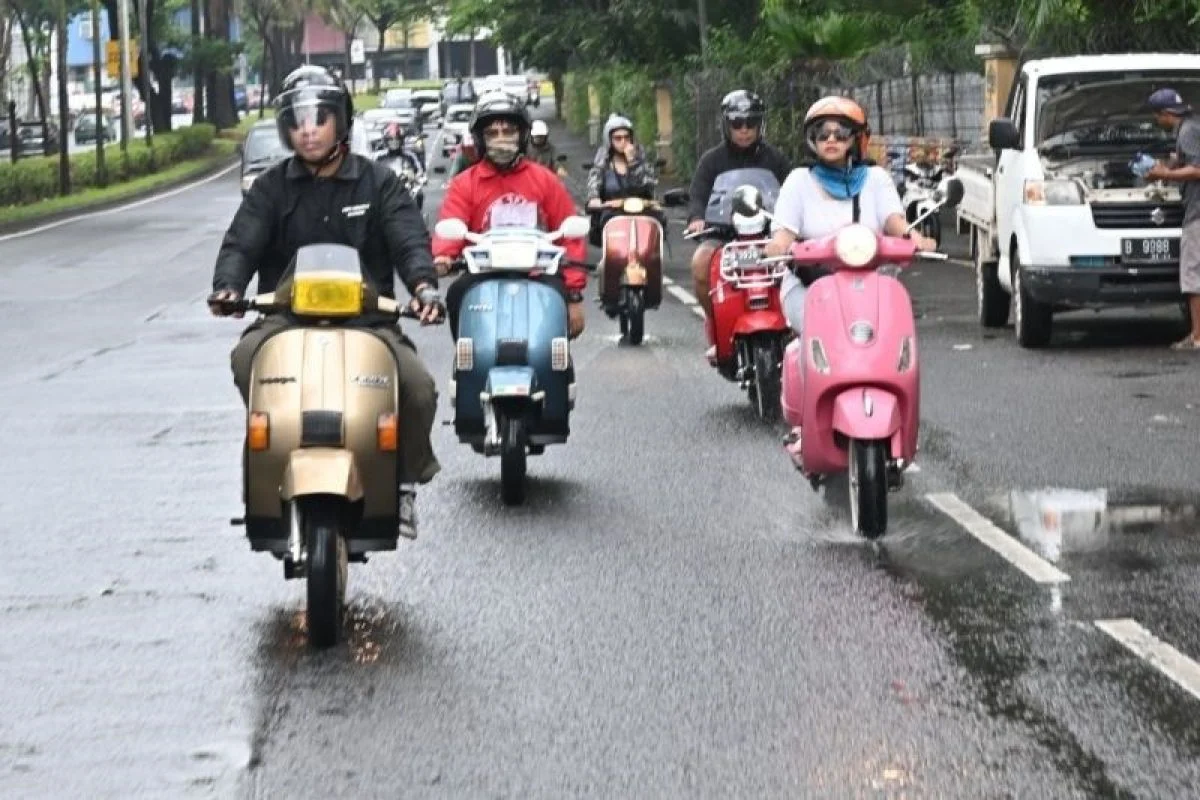
The Vespa automatic scooter, a beloved icon of Italian design fused with modern convenience, has carved out a significant niche in the Indonesian automotive landscape, particularly among the younger demographic. Its distinctive classic aesthetic, coupled with the ease of automatic transmission, makes it a popular choice for daily urban mobility. However, like any sophisticated machine, Vespa matics require diligent maintenance to ensure their performance remains at its peak. While regular servicing, encompassing oil changes, transmission fluid flushes, fuel injection system cleaning, and CVT maintenance, is crucial, many owners encounter a frustrating issue: an engine that hesitates or sputters when the throttle is engaged. This common complaint can significantly disrupt the riding experience, hindering smooth acceleration and impacting overall enjoyment.
This article delves into the multifaceted reasons behind these engine hesitations, drawing upon insights from automotive experts and common owner experiences. Understanding these potential pitfalls is the first step towards ensuring a consistently smooth and reliable ride on your Vespa matic.
The Underlying Architecture of Engine Hesitation
Engine hesitation, often described as a "brebet" or "tersendat" sensation, occurs when the engine fails to deliver consistent power upon throttle input. This disruption in acceleration points to an imbalance in the fundamental processes of combustion: the precise mixture of fuel and air, the effectiveness of the ignition system, and the seamless operation of the power delivery mechanism. In a fuel-injected engine like that found in modern Vespa matics, any deviation in these systems can manifest as a noticeable dip in performance.
The complexities of a fuel-injected system, while offering efficiency and cleaner emissions, also introduce more potential points of failure compared to carbureted systems. Issues can arise from the intricate interplay of electronic sensors, fuel delivery components, air intake management, and the ignition sequence. Therefore, pinpointing the exact cause of hesitation requires a systematic approach, examining each critical system.
Key Culprits Behind Vespa Matic Engine Hesitation
Several factors, ranging from minor wear and tear to more significant component failures, can contribute to an unresponsive engine. Experts and experienced mechanics often highlight the following as the most frequent offenders:
1. The Ignition System: The Spark of Life
The ignition system is paramount to initiating combustion. A weak or inconsistent spark can lead to incomplete fuel burn, resulting in power loss and hesitation.
-
Damaged Spark Plug Cap (Cangklong Busi): This often overlooked component acts as the conduit for electrical current from the ignition coil to the spark plug. In Vespa matics, these caps are typically made of rubber, which can degrade over time, becoming hardened or brittle. Improper installation can also misalign the internal spring contact, disrupting the flow of electricity. A compromised spark plug cap leads to an unstable electrical current reaching the spark plug, weakening the spark and causing an inefficient combustion process. This directly translates to a sluggish and hesitant engine response.
-
Dirty or Worn Spark Plug: The spark plug itself is the workhorse of the ignition system. As it ages and performs its duty of igniting the air-fuel mixture, carbon deposits can accumulate on its tip, insulating the electrodes and hindering the spark. Furthermore, the electrodes can wear down, altering the crucial gap between them. Both scenarios result in an unstable spark, leading to incomplete combustion, a loss of engine power, and the characteristic sputtering sensation during acceleration. Regular inspection and replacement of spark plugs are a fundamental aspect of routine maintenance.
-
Faulty Ignition Coil or Spark Plug Wire: The ignition coil is responsible for stepping up the battery’s voltage to a level high enough to create a spark. If the coil begins to weaken or the spark plug wire (if applicable, though many modern Vespas have integrated coil-on-plug designs) sustains damage from age or environmental exposure, the voltage delivered to the spark plug will be insufficient. This weakened electrical charge results in a feeble spark, leading to inefficient combustion, reduced engine performance, and noticeable hesitation.
2. Fuel Delivery: The Lifeblood of the Engine
A consistent and adequate supply of fuel is as critical as a strong spark. Disruptions in the fuel delivery system can starve the engine, causing it to falter.
-
Clogged Fuel Filter or Weak Fuel Pump: The fuel filter’s role is to prevent debris from entering the fuel injectors. Over time, it can become saturated with impurities, restricting the flow of gasoline. Similarly, the fuel pump, responsible for pushing fuel from the tank to the injectors, can weaken with age or become clogged with sediment. When the fuel pressure is insufficient or inconsistent, the engine receives an unstable fuel supply, leading to disrupted combustion and hesitation, particularly under load when more fuel is demanded.
-
Dirty Injectors or Throttle Body: Modern Vespa matics employ electronic fuel injection systems, which rely on clean injectors to atomize fuel precisely into the combustion chamber. Accumulation of carbon deposits or other contaminants within the injectors or on the throttle body (which regulates airflow) can disrupt the spray pattern and the air-fuel ratio. This leads to incomplete combustion, engine misfires, and the frustrating hesitation experienced when accelerating. Regular cleaning of these components is vital for maintaining optimal fuel atomization.
3. Air Intake: The Breath of the Engine
The engine needs a precise amount of air to mix with fuel for efficient combustion. Any impediment to airflow can upset this balance.
- Clogged Air Filter: The air filter’s function is to remove dust and debris from the incoming air before it enters the combustion chamber. A clogged air filter restricts airflow, creating a richer fuel mixture (more fuel relative to air). This imbalance leads to incomplete combustion, reduced engine power, and a noticeable hesitation during acceleration as the engine struggles to breathe effectively. Regular inspection and replacement of the air filter are a simple yet highly effective maintenance task.
4. Fuel Quality: The Foundation of Combustion
The quality of the fuel used can have a direct impact on engine performance.
- Contaminated Fuel: Water in the fuel tank is a significant culprit. Water does not combust like gasoline, and its presence disrupts the entire combustion process. Even small amounts can lead to engine sputtering, loss of power, and difficulty starting. Larger quantities can cause significant engine damage. It is crucial to refuel at reputable stations and ensure the fuel tank cap is properly sealed to prevent moisture ingress.
5. Transmission System: The Power Transfer Mechanism
While engine-related issues are common, problems within the Continuously Variable Transmission (CVT) can also mimic engine hesitation.
- Worn or Deformed CVT Rollers: The CVT system uses rollers to adjust the gear ratio. If these rollers become worn down or develop flat spots ("peyang"), their movement within the variator becomes irregular. This irregularity disrupts the smooth transition of gear ratios, leading to a jerky acceleration, vibrations, and a sensation akin to engine hesitation when the throttle is applied. The smooth, seamless power delivery expected from a CVT is compromised.
The Importance of Proactive Maintenance and Early Detection
The recurring theme across these potential causes is the critical role of regular maintenance. Adhering to the manufacturer’s recommended service schedule is not merely a suggestion; it is a preventative measure that can save owners significant time, money, and frustration.
Preventative Strategies:
- Adhere to Service Intervals: Follow the manufacturer’s recommended schedule for oil changes, filter replacements, and comprehensive inspections. This ensures that wear and tear on critical components are addressed before they escalate into performance issues.
- Regular Component Checks: Beyond scheduled services, owners can perform simple visual checks. Inspecting the spark plug for excessive carbon buildup, ensuring the air filter is clean, and listening for unusual noises from the CVT can help identify potential problems early.
- Use Quality Fuel: Always refuel at reputable petrol stations to minimize the risk of contaminated fuel. Ensure the fuel cap is securely fastened after refueling.
- Cleanliness is Key: Periodic cleaning of the fuel injection system and throttle body, as recommended by service manuals, can prevent the buildup of deposits that lead to performance degradation.
Expert Perspectives and Broader Implications
Automotive experts emphasize that while modern Vespas are engineered for reliability, the urban riding environment, with its frequent stop-and-go traffic and varying road conditions, can accelerate wear on certain components. "The stop-start nature of city commuting places additional strain on the fuel and ignition systems," notes a senior technician at a leading Vespa dealership in Jakarta. "Owners who frequently engage in short trips without allowing the engine to reach optimal operating temperature may find their fuel injectors and spark plugs accumulate deposits more rapidly."
The implications of unresolved engine hesitation extend beyond mere inconvenience. A sputtering engine can lead to unpredictable acceleration, increasing the risk of accidents, particularly in fast-paced traffic. Furthermore, persistent hesitation can exacerbate underlying issues, potentially leading to more significant and costly repairs. The economic impact on owners can be substantial, not only in terms of repair bills but also in lost productivity or leisure time due to an immobilized vehicle.
Addressing Persistent Issues: When to Seek Professional Help
While many common causes of hesitation can be addressed with diligent DIY maintenance, certain issues require the expertise of a qualified mechanic. If an engine continues to hesitate despite regular servicing, it is imperative to seek professional diagnosis.
"When an engine exhibits persistent ‘brebet,’ it’s crucial to rule out more complex issues within the engine’s internal components or sophisticated electronic control units," advises a representative from the Vespa Indonesia service division. "Our authorized service centers are equipped with diagnostic tools that can accurately pinpoint the root cause, whether it’s a sensor malfunction, a problem with the ECU, or a more intricate mechanical fault."
Early detection and professional intervention are key to preserving the longevity and optimal performance of a Vespa matic. By understanding the potential causes of engine hesitation and committing to a proactive maintenance regimen, owners can ensure their iconic scooter continues to deliver a smooth, enjoyable, and reliable riding experience for years to come. The blend of classic charm and modern engineering in a Vespa matic deserves to be enjoyed to its fullest, unhindered by preventable performance issues.