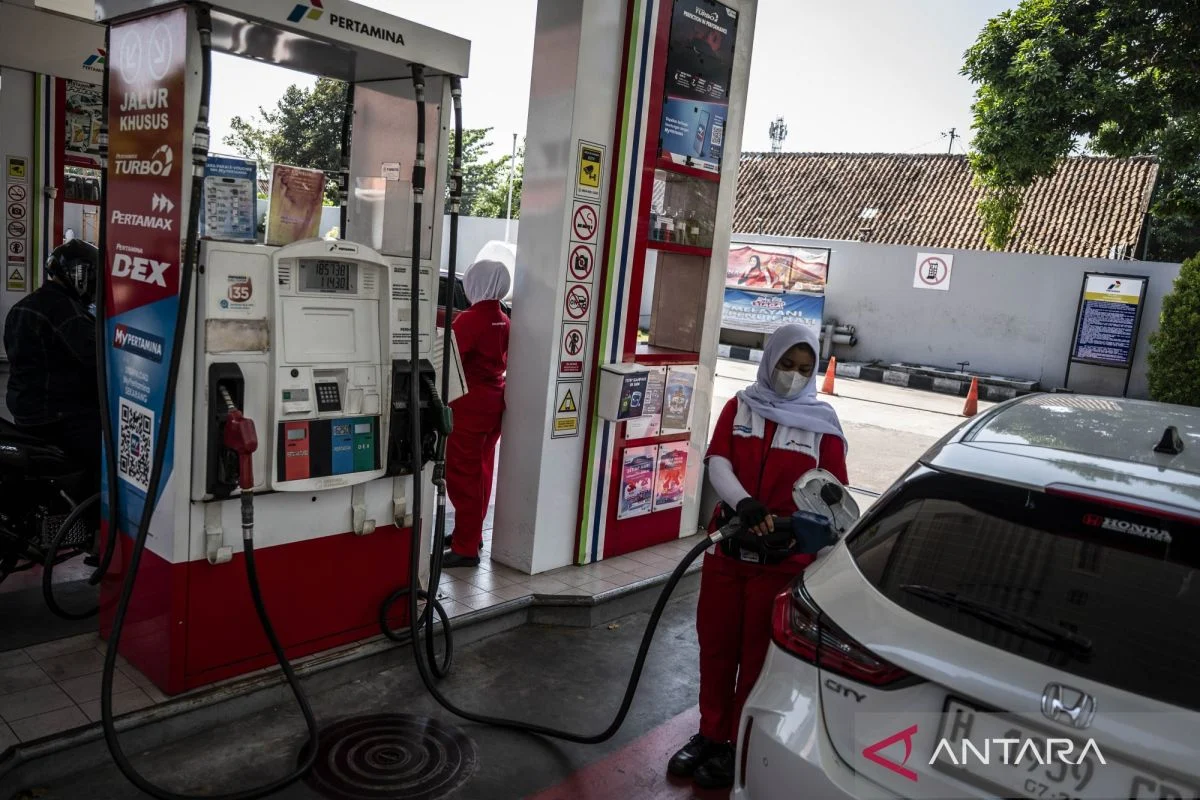
Jakarta, Indonesia – The recurring issue of incorrect fuel being dispensed into vehicles continues to plague a significant segment of Indonesian motorists. This common oversight, often attributed to haste or a lack of attention to detail regarding fuel types, carries substantial consequences. Vehicles are meticulously engineered by manufacturers to operate on specific fuel types that align with their engine specifications. Introducing the wrong fuel not only degrades a vehicle’s performance but can also lead to the deterioration of various engine components. In severe cases, these fueling errors can result in catastrophic engine damage, necessitating repairs costing millions of Indonesian Rupiah. Therefore, it is imperative for all vehicle owners to fully comprehend the ramifications of using incorrect fuel and to be prepared with the appropriate response should such a mistake occur.
The Crucial Role of Correct Fueling
Fuel serves as a fundamental determinant of a vehicle’s engine performance. The current automotive landscape in Indonesia commonly utilizes three primary fuel types: gasoline (bensin), diesel (solar), and, less frequently for standard vehicles, gas. Each of these fuel types possesses distinct characteristics, rendering them suitable only for specific engine designs.
For gasoline-powered vehicles, manufacturers typically prescribe the use of gasoline with a particular octane rating, often denoted by the Research Octane Number (RON). Common recommendations include RON 92 or RON 95. Adhering to the recommended octane level ensures a more complete combustion process. This leads to optimal engine power output, enhanced fuel efficiency, and a minimized risk of engine damage.
Conversely, diesel-powered vehicles are engineered to run on diesel fuel. Diesel engines operate on a compression-ignition principle, where combustion is initiated by high compression without the need for spark plugs, unlike gasoline engines. This fundamental difference in operational mechanics means that gasoline and diesel fuels are not interchangeable and cannot be used in each other’s respective engines.
Consequences of Using Incorrect Fuel in Gasoline Vehicles
A prevalent fueling error involves the use of gasoline with a lower octane rating than what is recommended by the manufacturer. For instance, a vehicle designed for higher-octane fuel, such as Pertamax, being consistently filled with a lower-octane alternative like Pertalite.
The repercussions of using lower-octane gasoline include suboptimal combustion. This translates to a noticeable decrease in engine power, increased fuel consumption, and the onset of engine knocking or pinging, often referred to as ‘ngelitik’ in Indonesian. This phenomenon occurs when the fuel-air mixture ignites prematurely due to insufficient octane resistance to heat and pressure.
Over an extended period, this suboptimal combustion can accelerate the wear and tear on internal engine components. Furthermore, the fuel injection system and fuel pump may experience malfunctions as they are forced to operate outside their designed parameters. The strain placed upon these critical systems can lead to premature failure.
The Severe Impact of Diesel in a Gasoline Engine
A more critical and potentially damaging error is the mistaken refueling of a gasoline engine with diesel fuel. Diesel fuel requires high compression to ignite, whereas gasoline engines rely on a spark from the spark plugs. Due to these contrasting ignition mechanisms, a gasoline engine is fundamentally incapable of efficiently combusting diesel fuel.
Initially, the vehicle might still start and run, especially if there is a residual amount of gasoline in the fuel lines. However, once diesel fuel begins to enter the combustion chamber, the engine will rapidly lose power, experience severe sputtering, and eventually stall. Re-starting the engine will become exceptionally difficult, if not impossible.
If a driver attempts to force the vehicle to continue operating under these conditions, the risk of extensive engine damage escalates dramatically. In the worst-case scenario, internal engine components can suffer catastrophic failure, leading to a complete engine breakdown, particularly if the vehicle is driven at higher speeds.
The Damaging Effects of Gasoline in a Diesel Engine
Conversely, filling a diesel engine with gasoline also poses a significant threat of severe damage. Diesel fuel serves a dual purpose in diesel engines: it acts as a fuel and, crucially, as a lubricant for vital components such as the high-pressure fuel pump and the intricate injection system.
Gasoline lacks these essential lubricating properties. Consequently, components that are designed to be lubricated will experience excessive friction, especially under the high pressures and temperatures encountered during operation. This lack of lubrication can lead to accelerated wear, and in some cases, outright failure of the fuel pump and injectors.
Beyond the lubrication issue, a diesel engine inadvertently filled with gasoline is likely to experience a loss of power, difficulties in starting, and potentially a complete breakdown. If the damage extends to the fuel injection system, the cost of repairs can run into millions of Rupiah, representing a substantial financial burden for the vehicle owner.
Recognizing the Signs of Incorrect Fueling
Vehicle owners can identify several tell-tale signs that indicate their vehicle may have been filled with the wrong type of fuel. These symptoms typically manifest shortly after refueling. While the provided text does not detail specific symptoms, common indicators include:
- Engine sputtering or misfiring: The engine may run rough, with irregular power delivery.
- Loss of power: A noticeable reduction in acceleration and overall engine responsiveness.
- Difficulty starting: The engine may crank but struggle to turn over or fail to start altogether.
- Unusual engine noises: Knocking, pinging, or other abnormal sounds emanating from the engine.
- Excessive smoke from the exhaust: The color and volume of exhaust smoke can change significantly.
- Check engine light illumination: Modern vehicles are equipped with sensors that can detect anomalies in fuel combustion and trigger the check engine warning light.
If any of these symptoms appear immediately after refueling, it is a strong indication that the wrong fuel may have been dispensed.
Immediate Actions to Take After Incorrect Fueling
The appropriate course of action depends on whether the engine has been started.
If the Engine Has Not Been Started:
If the mistake is realized before the engine is turned over, the absolute priority is to do not start the vehicle. The vehicle should be moved, either by pushing or using a tow truck, to a reputable workshop. At the workshop, the fuel tank will need to be completely drained and the fuel lines flushed to remove any residual incorrect fuel before it can enter the combustion system. This preventative measure is the most cost-effective way to mitigate potential damage.
If the Engine Has Been Started or the Vehicle Has Moved:
If the engine has already been started, or the vehicle has been driven even a short distance, it is crucial to pull over to a safe location immediately and shut off the engine. Continuing to drive the vehicle, even for a short distance, can exacerbate the damage to the engine and fuel system components.
Following this, the vehicle owner should contact their roadside assistance provider or a trusted official workshop. Technicians will typically perform a thorough inspection, which includes draining the fuel tank, cleaning the entire fuel system, and meticulously examining the fuel pump, injectors, and other relevant engine components to ascertain the extent of any damage and prevent further complications.
Proactive Measures to Prevent Fueling Errors
Preventing fueling mistakes is paramount to maintaining vehicle health and avoiding costly repairs. Vehicle owners should adopt several proactive habits:
- Consult the Owner’s Manual: The vehicle’s owner’s manual is the definitive source for recommended fuel types and octane ratings. This information is crucial and should be readily accessible.
- Check the Fuel Cap and Sticker: Manufacturers often place stickers near the fuel filler cap or on the inside of the fuel door indicating the correct fuel type. This serves as a constant reminder.
- Verify the Nozzle: Before the attendant begins pumping fuel, take a moment to confirm that the nozzle being used corresponds to the correct fuel type. This is particularly important when driving a new vehicle or one that is rarely used.
- Be Mindful at the Pump: Avoid distractions while at the gas station. A few seconds of focused attention can prevent a costly error.
- Communicate Clearly: If there is any doubt, clearly communicate the desired fuel type to the fuel attendant.
Broader Implications and Industry Context
The persistent issue of incorrect fueling in Indonesia highlights several broader implications for the automotive industry and fuel consumers. The economic impact is significant, not only for individual vehicle owners facing expensive repairs but also for the automotive repair sector and potentially for fuel distributors if recurring issues lead to warranty claims or product liability concerns.
Furthermore, this problem underscores the importance of consumer education regarding vehicle maintenance and fuel compatibility. While manufacturers provide specifications, ensuring that this information is readily understood and acted upon by a diverse range of drivers, many of whom may not be automotive experts, remains a challenge.
The Indonesian government, through its agencies like the Ministry of Energy and Mineral Resources, plays a role in regulating fuel quality and distribution. However, the onus of correct usage ultimately falls on the consumer. Initiatives aimed at increasing driver awareness, perhaps through public service announcements or integrated messaging within vehicle registration processes, could be beneficial.
From an environmental perspective, suboptimal combustion resulting from incorrect fuel can lead to increased emissions, contributing to air pollution. While individual instances might seem minor, the cumulative effect of widespread fueling errors can have a discernible environmental impact.
The Indonesian automotive market is diverse, with a wide array of vehicle types and engine technologies. This diversity, while offering consumers choices, also increases the potential for confusion regarding fuel requirements. As newer technologies, such as hybrid and electric vehicles, become more prevalent, the need for clear and accessible information regarding fuel compatibility will only intensify.
In conclusion, the recurring problem of misfuelling in Indonesia is a multifaceted issue with significant financial and operational consequences for vehicle owners. Adhering to manufacturer recommendations, exercising vigilance at the fuel pump, and understanding the immediate actions to take in case of an error are critical steps in preventing damage and ensuring the longevity and optimal performance of vehicles. Continuous efforts in consumer education and clear communication from all stakeholders in the automotive and fuel sectors are essential to mitigate this pervasive problem.