Queen Máxima of the Netherlands has officially concluded a four-day strategic working visit to Indonesia, spanning from Monday, November 24, to Thursday, November 27, 2025. While she is widely recognized as the Dutch monarch, her presence in the Southeast Asian archipelago was conducted under her prestigious international mandate as the United Nations Secretary-General’s Special Advocate (UNSGSA) for Financial Health. This visit marked a significant milestone in the long-standing partnership between the United Nations and the Indonesian government, focusing on the evolution of financial inclusion into the more holistic concept of financial health. Throughout her stay, the Queen engaged with a diverse array of stakeholders, ranging from high-level government officials and international financial institutions to grassroots entrepreneurs and low-income homeowners, reflecting the multifaceted nature of modern economic development.
The 2025 visit represents Queen Máxima’s fifth journey to Indonesia in an official capacity. Her previous missions as the UNSGSA took place in 2012, 2016, and 2018, during which she played a pivotal role in encouraging the Indonesian government to adopt its National Strategy for Financial Inclusion (SNKI). Beyond her UN duties, she also visited the country in 2020 alongside King Willem-Alexander for a state visit. This deep history with Indonesia underscores the nation’s status as a "priority country" for the UNSGSA’s office, given its massive population, burgeoning digital economy, and the unique challenges posed by its vast geography. Born on May 17, 1971, in Argentina, Queen Máxima brought her extensive background in international finance—honed prior to her marriage to King Willem-Alexander in 2002—to bear during her extensive tour of Central Java, West Java, and the capital city of Jakarta.
The Strategic Shift from Inclusion to Financial Health
A primary objective of this mission was to advocate for the transition from "financial inclusion"—merely having access to a bank account—to "financial health." As the UNSGSA, Queen Máxima has increasingly emphasized that access to financial services is a means to an end, rather than the end itself. Financial health, in the UN’s contemporary framework, refers to the extent to which a person or family can smoothly manage their day-to-day finances, recover from economic shocks (such as illness or natural disasters), reach their long-term goals, and feel confident in their financial future.
Indonesia has made remarkable strides in this area. According to data from the Financial Services Authority (OJK), Indonesia’s financial inclusion rate has climbed significantly over the last decade, reaching over 85% in recent years. However, the literacy rate—the actual understanding of how to use these tools effectively—has often lagged behind. Queen Máxima’s itinerary was specifically designed to address this gap, looking at how digital innovation and policy can ensure that Indonesians are not just "banked," but "financially resilient."
Chronology of the Visit: From the Heart of Industry to the Presidential Palace
The Queen’s mission was structured to provide a comprehensive view of the Indonesian economic landscape, beginning with the micro-realities of rural workers and culminating in macro-level policy discussions with the President.
Tuesday, November 25: Empowerment in Central Java
The Queen began her field visits in Central Java, a region known as a hub for both traditional crafts and modern manufacturing. Her first stop was a garment factory in Sragen Regency. Here, she observed how digital payroll systems and workplace-based financial services can transform the lives of female laborers. By receiving wages directly into digital accounts, these workers gain greater control over their earnings and easier access to savings and insurance products.
Later that day, the Queen traveled to the historic Kampung Batik Laweyan in Solo. In discussions with local artisans and small business owners, she explored the challenges of maintaining financial stability in a fluctuating tourism and export market. The highlight of the afternoon was her attendance at a Women’s World Banking event held at the Pura Mangkunegaran. In the regal setting of the Mangkunegaran palace, the Queen engaged in a lively dialogue with students, young entrepreneurs, and tech-savvy youth. The discussion centered on how digital platforms can be leveraged to build "financial cushions" for the younger generation, who often face precarious employment in the gig economy.
Wednesday, November 26: Institutional Synergy and Sustainable Housing
The third day of the visit shifted focus toward institutional collaboration and innovative financing models. In the morning, Queen Máxima visited the United Nations representative office in Jakarta for a roundtable discussion with various international development organizations. The session focused on synchronizing global efforts to support Indonesia’s "Golden Indonesia 2045" vision, particularly through the lens of inclusive growth.
Following this, she met with representatives from the International Finance Corporation (IFC), a member of the World Bank Group. The talks revolved around the expansion of credit facilities for Small and Medium Enterprises (SMEs), which are the backbone of the Indonesian economy, contributing over 60% of the national GDP. The Queen advocated for "responsible lending" practices that prioritize the long-term financial health of the borrower over short-term profit.
One of the most visually and socially impactful segments of the trip occurred on Wednesday afternoon in Bekasi, West Java. The Queen visited the Gran Harmoni Cibitung subsidized housing complex. This project is a pioneer in providing low-emission, affordable housing for low-to-middle-income families. During her visit, she entered the home of a local resident to discuss the realities of mortgage management.
A particularly innovative program highlighted during this stop was the "waste-to-mortgage" initiative supported by Bank Tabungan Negara (BTN). Under this scheme, residents can collect and sort recyclable waste, which is then weighed and converted into monetary value to help pay off their home installments. Queen Máxima expressed high appreciation for this model, noting that it simultaneously addresses environmental sustainability, waste management, and financial inclusion. She also witnessed the formal signing of mortgage agreements for dozens of new homeowners, reinforcing the idea that secure housing is a cornerstone of financial stability.
The day concluded with a high-level meeting at Deloitte Indonesia. Here, the Queen spoke with corporate leaders and employers about the "business case" for financial health. She argued that companies with financially secure employees see higher productivity, lower turnover, and better overall performance, urging the private sector to integrate financial wellness programs into their corporate social responsibility and HR strategies.
Thursday, November 27: Policy Integration and the Presidential Meeting
The final day of the mission was dedicated to the highest levels of governance. Queen Máxima participated in a joint session with the OJK, Bank Indonesia (BI), and the Ministry of Finance. These three institutions form the "Iron Triangle" of Indonesia’s financial stability. The Queen emphasized the need for a unified "Financial Health Dashboard" to track the resilience of Indonesian households in real-time, especially as the country navigates global economic headwinds and the transition to a green economy.
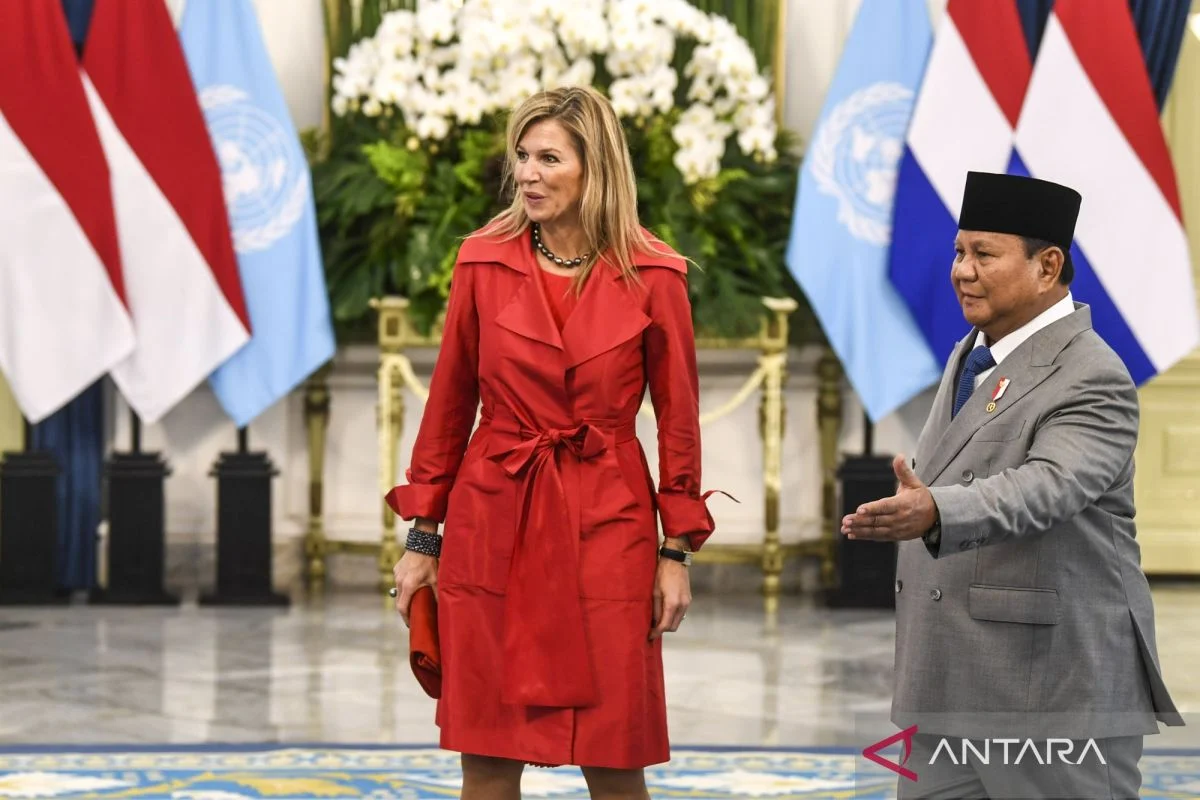
The climax of the visit was a formal reception at the Istana Merdeka (Merdeka Palace), where Queen Máxima was received by President Prabowo Subianto. During their one-on-one meeting and subsequent luncheon, the Queen presented her findings from the field. She commended the President on Indonesia’s rapid digitalization—notably the success of the QRIS (Quick Response Code Indonesian Standard) system—but also cautioned that digital speed must be matched by robust consumer protection.
President Prabowo, in turn, expressed his gratitude for the UN’s continued support. Sources close to the meeting indicate that the President reaffirmed Indonesia’s commitment to reducing poverty through financial empowerment, noting that Queen Máxima’s insights would be integrated into the administration’s upcoming economic roadmap.
Analysis of Implications and Broader Impact
The visit of Queen Máxima as the UNSGSA carries weight far beyond a mere diplomatic formality. It signals to the international community that Indonesia remains a global laboratory for financial innovation. Several key implications can be drawn from the four-day mission:
1. The Integration of Environment and Finance: The visit to the Bekasi housing project highlights a growing trend in "blended" development. By linking mortgage payments to waste management, Indonesia is demonstrating how social safety nets can be creative and multi-dimensional. This model is likely to be studied by other developing nations under the UN’s guidance.
2. Strengthening the Digital Safety Net: As Indonesia pushes for a fully digital economy, the Queen’s focus on "financial health" serves as a reminder that technology is only a tool. The emphasis on literacy ensures that the transition to digital finance does not leave behind the elderly, the rural poor, or those with limited education.
3. Strategic Bilateral and Multilateral Ties: While the visit was not in her capacity as the Dutch Queen, the "soft power" of the Dutch monarchy inevitably strengthens the bilateral relationship between the Netherlands and Indonesia. It fosters a climate of trust that facilitates smoother cooperation in other sectors, such as trade, water management, and education.
4. Data-Driven Governance: The Queen’s call for better data collection regarding financial health is expected to spur the OJK and Bank Indonesia to refine their surveying methods. Moving forward, the success of Indonesian economic policy will likely be measured not just by the number of bank accounts opened, but by the reduction in household debt and the increase in emergency savings among the population.
Conclusion
As Queen Máxima departed Jakarta on Thursday evening, she left behind a clear mandate for the Indonesian financial sector: to look beyond the numbers and focus on the human impact of economic policy. Her visit underscored that while Indonesia has achieved remarkable growth, the next frontier lies in ensuring that every citizen—from the batik weaver in Solo to the factory worker in Sragen—possesses the tools and knowledge to thrive in an increasingly complex global economy. The mission successfully bridged the gap between global UN objectives and local Indonesian realities, setting a sophisticated agenda for the years to come.