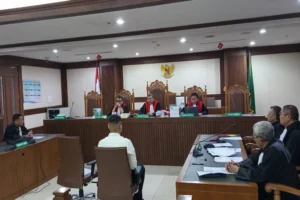
The public dispute between renowned beauty influencer Tasya Farasya and her former husband, Ahmad Assegaf, has taken a significant turn as the patriarch of the Assegaf family, Hasan Ahmad Assegaf, has officially addressed the mounting legal tensions. The conflict, which centers on allegations of substantial property damage to a luxury residence located in the Ampera area of South Jakarta, has transcended private domestic matters to become a prominent legal case drawing intense public scrutiny. As Tasya Farasya prepares to escalate the matter through formal legal channels, the intervention of Hasan Ahmad Assegaf marks a critical juncture in a saga that has dominated social media discourse for months.
The Genesis of the Property Dispute
The core of the legal contention lies in the alleged destruction of a luxury property in South Jakarta, which previously served as a marital home for the couple. Reports indicate that following their separation, disagreements regarding the division of assets and the state of the property upon vacating the premises escalated rapidly. Tasya Farasya, a prominent figure in Indonesia’s digital creator space, has reportedly sought legal counsel to address what she characterizes as intentional damage to the real estate, a claim that has sparked intense debate regarding property rights and post-divorce obligations.
While the exact valuation of the damage remains a subject of investigation, sources close to the situation suggest that the financial implications are significant. The luxury real estate market in the Ampera district is characterized by high-end amenities and bespoke structural designs, meaning that any intentional destruction—as alleged—would likely lead to substantial repair costs and legal claims for damages under Indonesian civil and potentially criminal codes.
Chronology of the Escalating Conflict
The deterioration of the relationship between Farasya and Assegaf has been marked by several key phases that eventually led to the current legal impasse.

- The Separation: Following the public announcement of their divorce, the couple initially appeared to manage their affairs privately. However, the private nature of their separation dissolved as rumors of discord regarding shared assets began to circulate in late 2024.
- The Discovery of Damage: Reports of property damage emerged in early 2025, with allegations surfacing that the Ampera residence had been left in a state of disrepair. This period saw a shift from private negotiation to public accusations on social media platforms.
- The Stressed State: Legal and psychological reports suggest that the prolonged nature of these negotiations took a severe toll on the parties involved. Tasya Farasya, in particular, was reported to have undergone significant emotional distress, a factor that often influences the severity of subsequent legal filings.
- The Legal Filing: By mid-2025, the intent to pursue formal charges was made clear. Legal experts have noted that the potential charges—should the case proceed to criminal prosecution—could carry severe penalties, with some projections suggesting a maximum sentence of up to 28 years under specific statutes regarding property destruction and related criminal acts in Indonesia.
Hasan Ahmad Assegaf’s Stance: A Call for Resolution
In a recent appearance in the Condet area of East Jakarta, Hasan Ahmad Assegaf provided his first public comments regarding his son’s predicament. Rather than adopting a defensive posture, Hasan emphasized the necessity of due process. His statements were characterized by a pragmatic approach, aimed at de-escalating the public drama that has fueled tabloid interest.
"It is significantly more prudent to resolve these matters through family mediation or through the established legal system," Hasan stated. "Public debate on social media is not the venue for such complex personal and legal issues. I believe that both parties would benefit from a more formal, structured approach to their grievances."
Hasan’s willingness to allow the law to take its course, even when his own son is the subject of a potential criminal complaint, signals a departure from the typical defensive maneuvering often seen in high-profile cases. By advocating for legal intervention, he effectively signals that the family is prepared to accept the findings of the court, provided the process remains fair and transparent.
Legal Implications and Potential Consequences
The involvement of law enforcement in a domestic property dispute elevates the situation from a civil matter to a potential criminal inquiry. Under the Indonesian Criminal Code (KUHP), the destruction of property can lead to severe legal consequences, depending on the extent of the damage and the intent behind it.
Legal analysts suggest that if the case proceeds to trial, the prosecution would need to establish clear intent (mens rea) and provide empirical evidence regarding the state of the property before and after the alleged damage. The complexity of this case is heightened by the celebrity status of the individuals involved, which often places extra pressure on law enforcement to ensure the investigation is conducted without bias.

The figure of "28 years of potential imprisonment" that has circulated in media reports refers to the cumulative maximum sentencing for multiple articles of the law, should they all be applied in a worst-case scenario. While such maximums are rarely met in practice for property damage cases, the inclusion of such figures in public discourse highlights the gravity of the potential legal risks faced by Ahmad Assegaf.
The Role of Social Media in Modern Domestic Disputes
The Farasya-Assegaf case serves as a quintessential example of how social media platforms have transformed the nature of private disputes. In the past, domestic conflicts were handled behind closed doors, away from public view. Today, influencers and high-profile figures often find their private lives subjected to real-time commentary from millions of followers.
This transparency, while sometimes helpful in demanding accountability, often creates a "trial by social media" environment that can complicate actual court proceedings. The pressure to present one’s narrative to the public often leads to the release of information that might be better kept for the courtroom, potentially jeopardizing the legal strategies of both parties.
Hasan Ahmad Assegaf’s plea to move the discourse away from social media reflects a growing sentiment among legal experts that the digital court of public opinion is detrimental to the resolution of complex legal matters. By encouraging a shift toward mediation or formal litigation, he is attempting to re-establish a sense of order to a situation that has become increasingly chaotic.
Looking Ahead: The Path Toward Resolution
As the case continues to unfold, several key factors will determine its outcome. First, the willingness of both Tasya Farasya and Ahmad Assegaf to engage in alternative dispute resolution (ADR) will be paramount. Mediation is often encouraged in Indonesian legal practice, especially in cases where the parties share a history of domestic ties, as it allows for a more controlled environment for settlement negotiations.

Second, the findings of the police investigation into the Ampera property will serve as the evidentiary foundation for any future trial. Forensic accounting and structural assessments of the property will likely be required to substantiate the claims of damage.
Finally, the impact of this case on the personal brands and professional lives of those involved cannot be understated. As a beauty influencer, Tasya Farasya’s public image is inextricably linked to her professional ventures. Similarly, the public nature of these allegations impacts the reputations of all individuals involved.
Conclusion
The intervention of Hasan Ahmad Assegaf provides a rare moment of clarity in a case that has been defined by ambiguity and public speculation. By supporting the use of legal channels over social media theatrics, he has positioned the family to face the impending legal proceedings with a level of maturity that may be necessary to navigate the complexities of the Indonesian justice system.
As the legal proceedings progress, the focus must inevitably shift from the sensationalism of the tabloids to the factual realities of the evidence. Whether the resolution is achieved through a court-ordered judgment or a private settlement, the case of Tasya Farasya and Ahmad Assegaf stands as a reminder of the fragility of private life in the age of digital visibility and the enduring importance of established legal mechanisms in resolving complex domestic disputes. For now, all parties—and the public—await the next move from the legal teams involved, as the case heads toward what promises to be a definitive conclusion in the coming months.