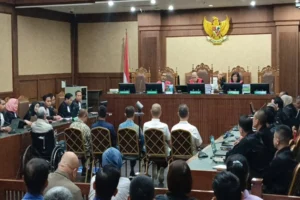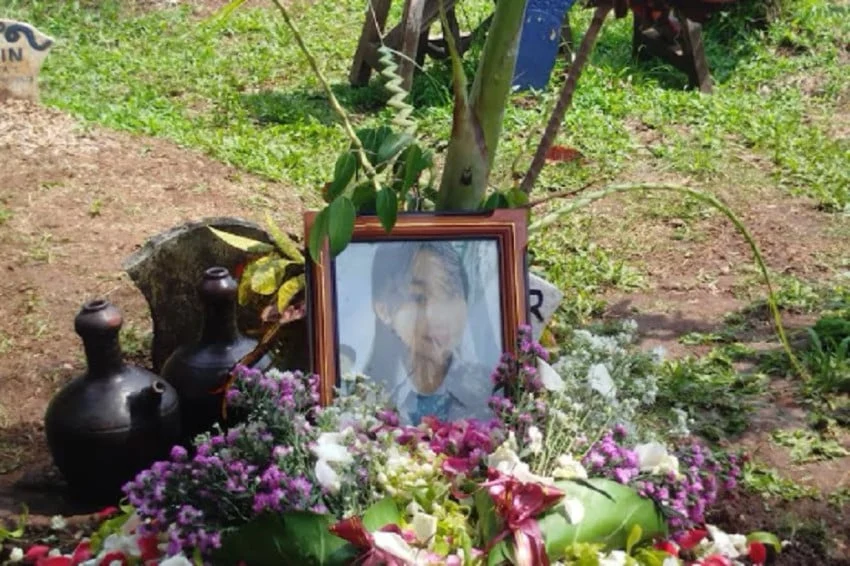
The tragic death of Silva Nur Intania Putri, a high school student in Malang, East Java, has sent shockwaves through the community and prompted a national call for immediate action against the rising tide of youth violence. The young student reportedly succumbed to injuries sustained during a brutal physical altercation involving a group of fellow teenage girls, an incident that has been preliminarily linked to disputes over romantic entanglements. As the investigation into the case unfolds, lawmakers and child protection advocates are demanding a comprehensive review of the security and preventive measures currently in place within the Indonesian educational landscape.
Chronology of the Tragedy
While the investigation remains ongoing, preliminary reports indicate that the confrontation occurred in a secluded area away from school premises. Witnesses suggest that the altercation was not a spontaneous outburst but appeared to be a calculated confrontation driven by interpersonal tensions. According to local police reports, the victim was subjected to a sustained physical attack by several peers, resulting in severe trauma that ultimately led to her death.
The incident has highlighted the dangerous intersection of social media influence and peer conflicts. Law enforcement authorities in Malang are currently conducting forensic examinations and interviewing witnesses, including students and bystanders who were present at or near the scene. While the motive is reportedly rooted in "dendam asmara" (romantic vengeance), authorities are careful not to overlook potential underlying issues of systemic bullying that may have preceded the final confrontation.
The Legislative Response
M. Hasanuddin Wahid, a member of the House of Representatives (DPR RI) representing the Malang Raya electoral district, has emerged as a key voice calling for justice. During a formal statement on Friday, November 27, 2026, the legislator, known as "Cak Udin," expressed his profound condolences to the grieving family. He emphasized that the loss of a child under such violent circumstances is an irreparable tragedy that demands total accountability.
"Innalillahi wa inna ilaihi raji’un. I extend my deepest condolences to the victim’s family. No parent is prepared to lose their child in such a manner," Hasanuddin stated. "We must ensure that the family receives justice and that incidents of this nature do not continue to plague our children."
Hasanuddin’s intervention goes beyond simple sympathy; he has formally urged the local police department to conduct a thorough and transparent investigation. He argued that the perpetrators, regardless of their age, must face the legal consequences stipulated under the Indonesian Child Protection Law. Furthermore, he has tasked the local government in Malang to evaluate their current anti-bullying protocols, suggesting that the existing frameworks are insufficient to protect students outside of the immediate school environment.
The Broader Context of Youth Bullying in Indonesia
The death of Silva Nur Intania Putri is unfortunately not an isolated incident. Indonesia has witnessed a troubling upward trend in cases of youth violence and "cyber-bullying" that escalates into physical confrontations. According to data from the Indonesian Child Protection Commission (KPAI), physical and psychological bullying remains one of the most significant challenges in the national education system.
Statistical data suggests that bullying often occurs during the transition from middle to high school, a period characterized by heightened emotional volatility and the search for social identity. Factors contributing to this trend include:

- Digital Escalation: Conflicts that begin on social media platforms often spill over into real-world violence. The ability to incite others to participate in "group confrontations" via messaging apps has amplified the severity of these attacks.
- Lack of Conflict Resolution Skills: Educational institutions are often criticized for focusing exclusively on academic performance while neglecting emotional intelligence, empathy, and conflict resolution training.
- Parental and Supervisory Gaps: Many cases of school-aged violence occur after school hours, leaving a gap in supervision where adolescents feel emboldened to act without immediate repercussions.
Socio-Legal Implications
The case has sparked a debate regarding the legal status of minors involved in violent crimes. Under Indonesian law, the Juvenile Criminal Justice System (SPPA) provides specific protections for minors, focusing on rehabilitation rather than punitive measures. However, as the severity of youth violence increases, legal experts are beginning to question whether the current legal threshold for criminal responsibility is adequate to serve as a deterrent.
Legal analysts suggest that if the investigation confirms that the attack was premeditated, the prosecution may seek harsher charges to send a message that "youthful age" is not a blanket shield against the consequences of homicide or severe battery. The involvement of multiple perpetrators adds a layer of complexity to the investigation, requiring authorities to determine the specific role and degree of culpability for each individual involved.
Strengthening Preventive Systems
In response to the tragedy, educational experts in Malang have proposed a multi-tiered approach to prevention:
- Integrated School-Community Monitoring: Schools must extend their duty of care beyond the school gate. This involves creating "safe zones" and fostering communication between teachers, parents, and local community leaders to identify early signs of hostility.
- Mental Health Support: There is a critical need for professional counseling services in every high school. Students showing signs of aggressive behavior or those who are targets of intimidation must have access to psychological intervention before conflicts escalate.
- Curriculum Reform: Integrating character education that emphasizes non-violent communication and the legal repercussions of bullying is essential. Schools must move beyond tokenistic anti-bullying campaigns to implement sustainable programs that change the culture of peer interaction.
The Role of Local Government
The Malang municipal government faces pressure to demonstrate that it can safeguard its students. Following Hasanuddin Wahid’s remarks, officials are expected to convene a task force dedicated to auditing the safety protocols of high schools in the region. This task force is likely to focus on identifying "hot spots" where students congregate after hours and increasing patrols in these areas.
Furthermore, the incident has highlighted the necessity for parents to be more involved in the digital and social lives of their children. The "dendam asmara" aspect of the case underscores how personal grievances, if left unaddressed by adults, can be weaponized by peers to justify violence.
The Path Forward
As the investigation proceeds, the focus remains on ensuring that the truth is unearthed and that the victim’s family finds closure. The tragedy in Malang serves as a somber reminder of the fragility of life and the immense responsibility held by educators, parents, and policymakers.
The push for "usut tuntas" (thorough investigation) is not merely a request for law enforcement action; it is a demand for systemic change. For the residents of Malang and the broader Indonesian public, the death of Silva Nur Intania Putri must be the catalyst that forces a reassessment of how the nation approaches adolescent violence. If the legal system fails to provide a clear and firm response, the cycle of violence is likely to continue, claiming more lives in the process.
In the coming weeks, the Indonesian public will be watching closely as the police finalize their report. The findings will likely dictate the next legislative moves in Jakarta, potentially leading to stricter national policies regarding school safety and juvenile delinquency. For now, the community of Malang remains in mourning, waiting for the justice that the victim’s family so desperately deserves. The narrative surrounding this case will undoubtedly serve as a case study for future efforts to combat the scourge of violence in schools across the archipelago.
The tragic end of a young life, filled with potential, has once again highlighted that when it comes to the safety of the next generation, there is no room for complacency. Every stakeholder, from the government to the individual family, must participate in the creation of a safer, more empathetic environment where conflicts are solved with dialogue, not with violence.