The smartphone marketplace has continuously evolved to address specific consumer demands, with battery endurance emerging as a primary battleground in the affordable segment. Finding a reliable smartphone priced around the two-million rupiah mark (approximately $120 to $130 USD) that features an ultra-large battery is no longer a formidable task. Major manufacturers have strategically rolled out competitive models catering directly to users with high mobility requirements. However, a notable trade-off persists within this budget bracket: the widespread integration of 5G connectivity remains largely absent, as brands prioritize component budgets toward massive power cells, efficient processing units, and durable physical builds rather than next-generation cellular modems.
This trend addresses a distinct market segment characterized by gig workers, delivery drivers, field researchers, and heavy media consumers who depend heavily on continuous uptime. For professionals such as motorcycle ride-hailing drivers, who rely on navigation applications, constant data connectivity, and digital payment gateways throughout an extended shift, access to a reliable power source is paramount. Devices equipped with cells scaling from 6,000 mAh to an unprecedented 8,000 mAh effectively eliminate the necessity of carrying portable power banks or hunting for public electrical outlets during working hours.
Industry analysts note that while processing power and camera resolutions in the budget tier have plateaued at functional levels, battery capacity has seen aggressive scaling. The current lineup of devices available in the marketplace demonstrates this shift, offering diverse options characterized by robust power delivery, rapid charging capabilities, and physical resilience suited for demanding environments.
Comprehensive Overview of High-Capacity Budget Smartphones
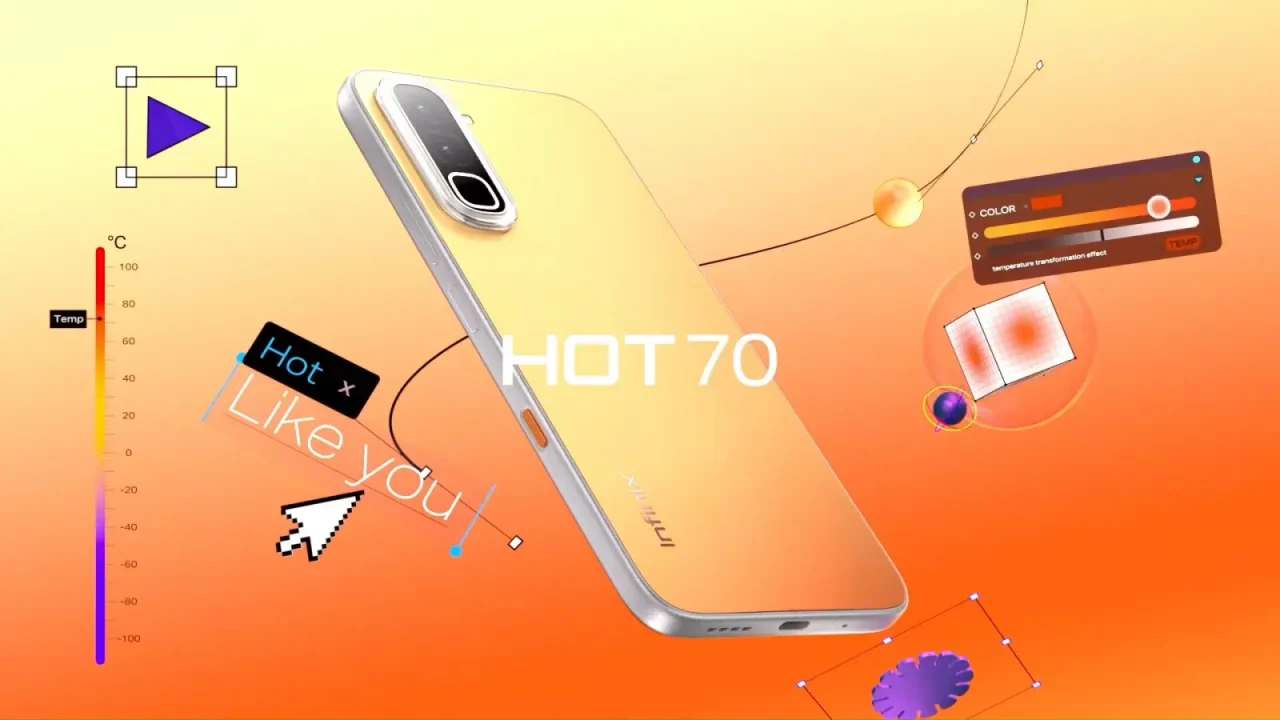
Leading the charge in the high-capacity, budget-friendly category is the Infinix HOT 70. Engineered to balance endurance with everyday usability, the device houses a 6,000 mAh battery. Crucially, Infinix has paired this large cell with 45W fast-charging technology, alongside 10W reverse wired charging capabilities, allowing the smartphone to function as an emergency power source for external accessories. Despite accommodating a substantial power reserve, the device maintains a slim profile, measuring 167.92 x 79.12 x 7.49 mm and weighing approximately 195 grams. Durability is further enhanced through an IP65 rating for dust and water splash resistance, alongside an SGS 5-Star drop-resistance certification.

Underneath the chassis, the Infinix HOT 70 is powered by MediaTek’s Helio G100 Ultimate system-on-chip (SoC), coupled with LPDDR4X RAM and UFS 2.2 internal storage. Visuals are handled by a 6.78-inch IPS LCD panel featuring an HD+ resolution of 1,576 x 720 pixels and a fluid 120 Hz refresh rate. Photographic hardware comprises an 8-megapixel front-facing camera housed within a punch-hole cutout, and a 50-megapixel primary rear sensor with an f/1.85 aperture. Additional utility features include a side-mounted fingerprint scanner, an infrared (IR) blaster, NFC functionality, and a dedicated physical shortcut button on the left flank designed to trigger artificial intelligence features instantly. Market availability places the base configuration of 4GB RAM and 128GB storage between Rp2,829,000 and Rp2,949,000.
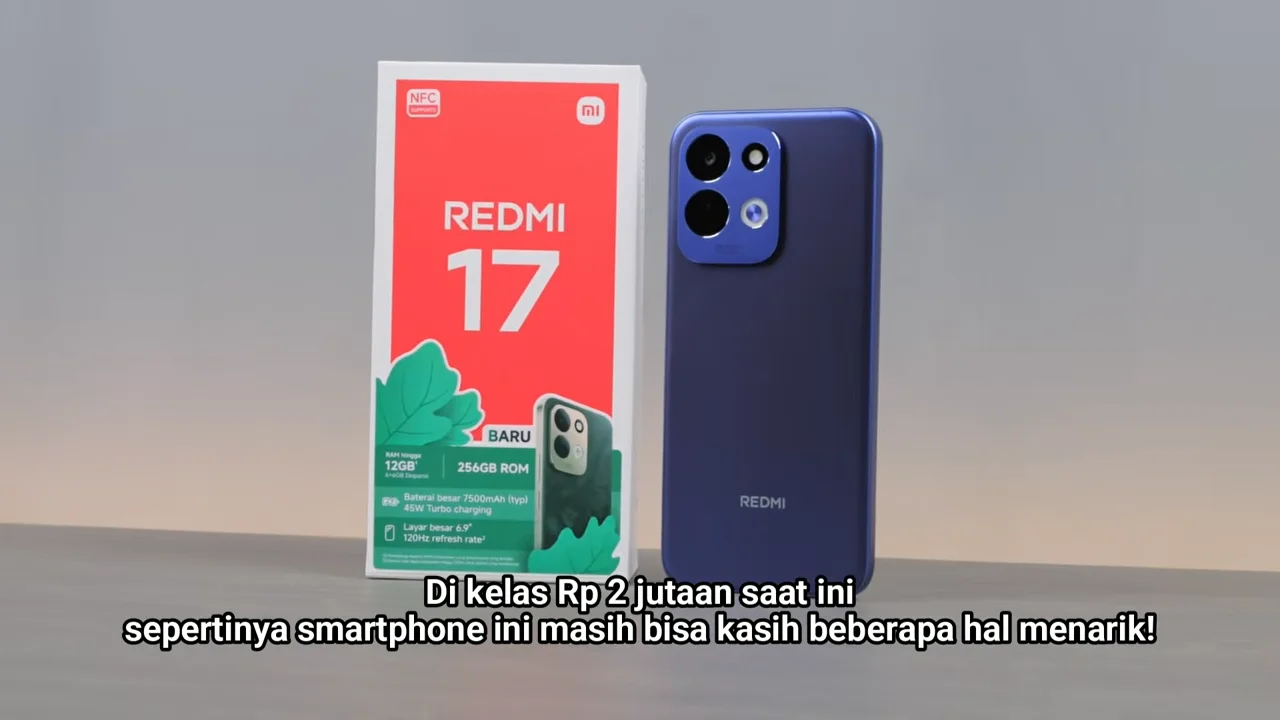
Another prominent contender in this category is the REDMI 17 4G, marketed under the tagline emphasizing robust endurance. The device is equipped with a formidable 7,500 mAh battery, supported by 45W fast charging and an impressive 22.5W reverse charging output. The front display spans 6.9 inches utilizing an IPS LCD panel with HD+ resolution and a 120 Hz refresh rate, accompanied by TÜV Rheinland certifications for low blue light, circadian friendliness, and flicker-free operation to reduce visual fatigue during prolonged usage.
Processing duties on the REDMI 17 4G are managed by the MediaTek Helio G91-Ultra chipset. While higher storage tiers push past the psychological three-million rupiah threshold, the entry-level configuration pairs 4GB of RAM with 128GB of internal storage, retailing at approximately Rp2,899,000. Imaging capabilities feature a 50-megapixel primary rear camera paired with secondary assistive lenses, and an 8-megapixel front camera supporting dual-video recording. Aesthetically and functionally, the rear panel incorporates a Dynamic Light notification system and an IP64 dust and water-resistance rating, available in colorways including Black, Deep Blue, Lotus Purple, and Oak Green.
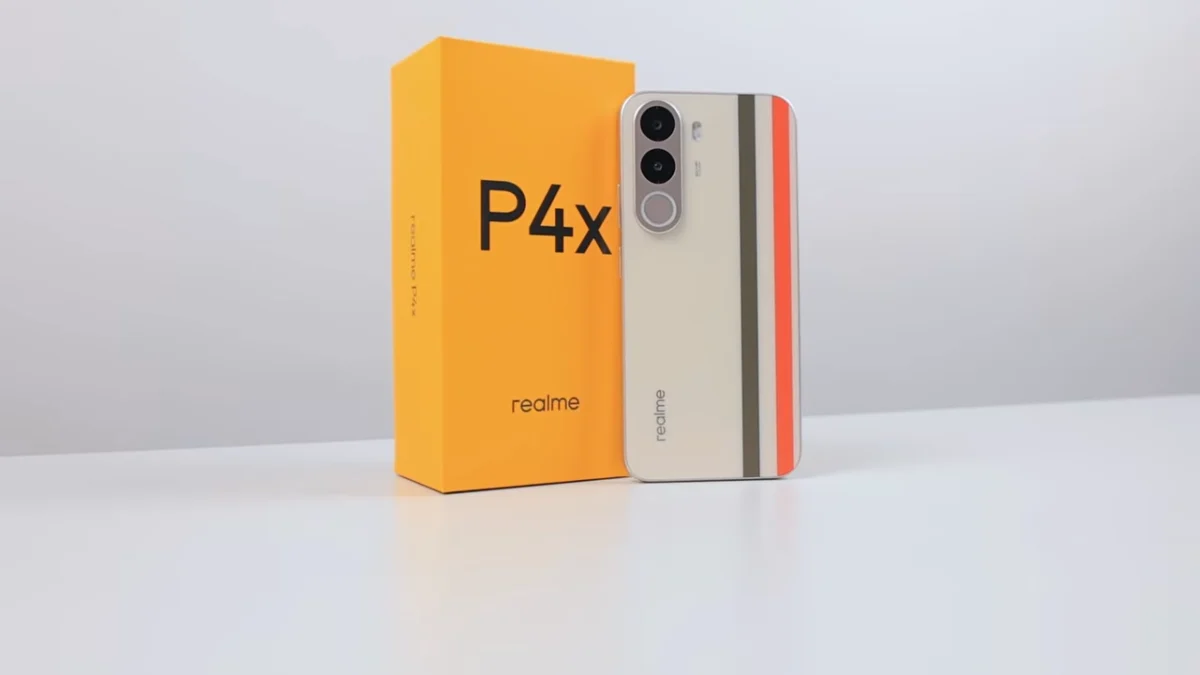
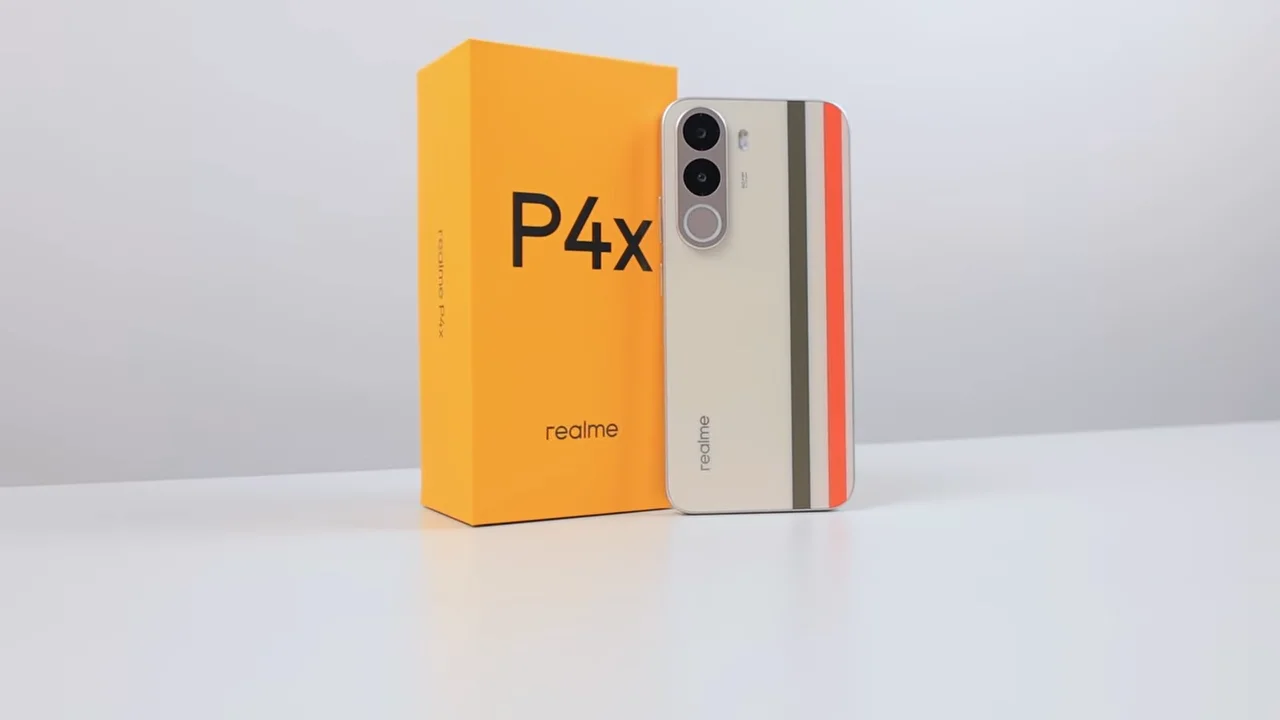
Pushing the boundaries of battery capacity even further, the realme P4x boasts the largest power cell in this specific price segment, packing an 8,000 mAh battery. This massive reserve utilizes 45W SUPERVOOC charging technology and 10W reverse charging support. The display configuration consists of a 6.8-inch IPS LCD screen with an HD+ resolution of 1,570 x 720 pixels and a 120 Hz refresh rate. Performance is driven by the Unisoc T7250 chipset, paired with 4GB of RAM and 128GB of internal storage in its introductory tier, priced at Rp2,899,000.
The realme P4x places equal emphasis on utility and media capture, featuring a 50-megapixel f/1.8 main rear camera and a 5-megapixel f/2.2 front shooter, complete with Dual-view Video recording capabilities. Practical additions include an IP64 rating, integrated NFC, a side-mounted fingerprint sensor, and an AI Pulse Light situated on the rear chassis to serve as a customizable notification indicator.
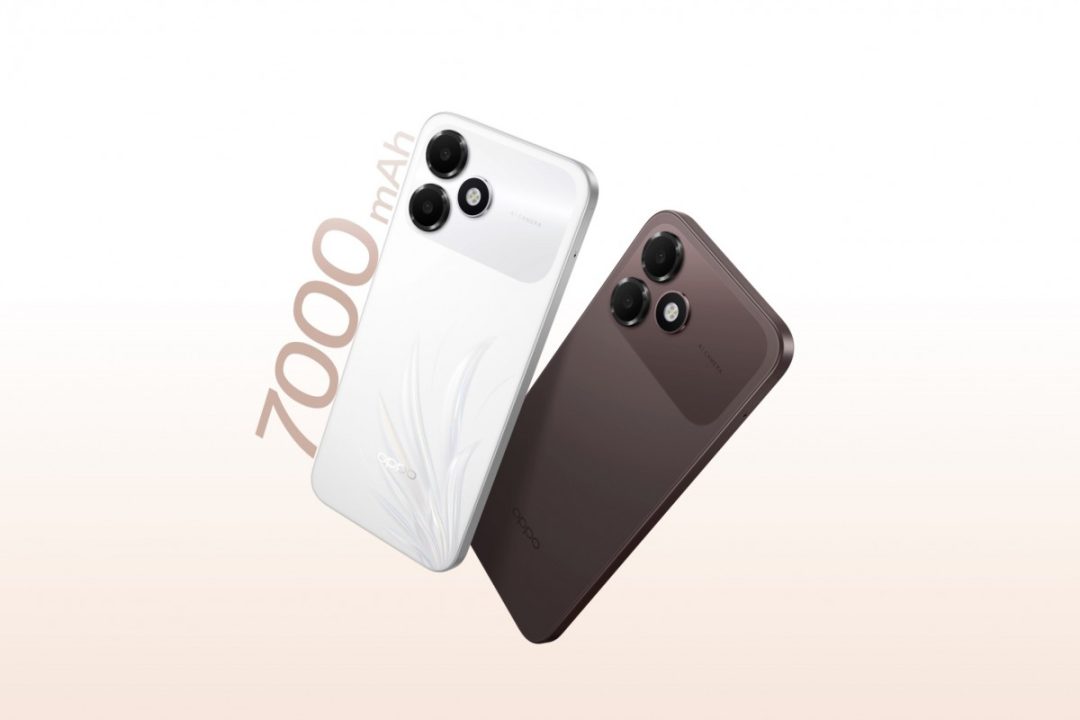
Established brands have also introduced competitive alternatives, such as the OPPO A6c. Equipped with a 7,000 mAh battery, the device prioritizes longevity, though it scales back charging speeds to a modest 15W, requiring longer intervals for a complete recharge. Powered by the Unisoc T7250 processor, the entry-level variant pairs 4GB of RAM with 64GB of storage at a retail price of Rp2,899,000. Photographic hardware is more modest, featuring a 13-megapixel primary rear sensor and a 5-megapixel front camera. The display measures 6.75 inches, offering an HD+ resolution and a 120 Hz refresh rate, complemented by an IP64 rating, a side-mounted fingerprint scanner, and a traditional 3.5mm headphone jack.
Rounding out the segment is the vivo Y11d, which features a 6,500 mAh battery paired with a comparatively rapid 44W flash-charging system. Driven by the Unisoc T7225 chipset, the base model offers 4GB of RAM and 64GB of storage for Rp2,799,000. The imaging array consists of a 50-megapixel main camera alongside a 0.08-megapixel auxiliary depth sensor, complemented by a 5-megapixel front-facing camera. The device features a 6.74-inch IPS LCD display with a 120 Hz refresh rate, an IP65 ingress protection rating, side-mounted biometric security, and 6W reverse charging functionality.
Comparative Market Analysis and Industry Implications
The concentration of manufacturers offering batteries ranging from 6,000 mAh to 8,000 mAh within the sub-three-million rupiah price band reflects a strategic shift in product positioning. Historically, ultra-large batteries were restricted to ruggedized specialty devices or high-priced niche smartphones. The democratization of these power cells indicates that supply chain efficiencies have matured sufficiently to allow high-capacity energy storage without driving manufacturing costs beyond entry-level parameters.
However, this pricing discipline necessitates calculated compromises by engineering teams. To accommodate massive lithium polymer cells while maintaining target retail prices, manufacturers frequently economize on peripheral specifications. Most devices in this category rely on HD+ resolution panels rather than Full HD+, utilize standard IPS LCD technology instead of OLED displays, and implement entry-level 4G processors from MediaTek or Unisoc. Furthermore, memory configurations at the base price point are typically constrained to 4GB of RAM and 64GB or 128GB of internal storage, which may impact multitasking performance for power users over extended ownership cycles.
Despite these compromises, the market reception for high-capacity budget smartphones underscores a pragmatic consumer base that prioritizes functional endurance over aesthetic or processing extremes. For a significant demographic of everyday workers and digital economy participants, the ability to operate uninterrupted for up to two full days on a single charge outweighs the benefits of high-resolution displays or high-speed cellular connectivity. As component costs continue to fluctuate and manufacturing techniques advance, the intersection of extended battery life and budget-conscious pricing is expected to remain a vital cornerstone of the mobile device market.