
The rapid global transition toward electric vehicles (EVs) has introduced a myriad of complex engineering, environmental, and public safety challenges that extend far beyond the traditional scope of automotive manufacturing. While zero-emission transport is widely championed as a vital cornerstone in the global effort to combat climate change and reduce urban air pollution, municipal emergency services are increasingly grappling with a distinct and formidable hazard: lithium-ion battery fires. As the adoption of electric passenger cars, commercial delivery trucks, and public transit systems accelerates worldwide, firefighters are confronting a phenomenon that defies conventional firefighting tactics. Unlike internal combustion engine (ICE) vehicles, which have been thoroughly studied and managed by emergency responders for over a century, electric vehicles present a volatile combination of extreme thermal output, chemical instability, and a notorious propensity for spontaneous re-ignition. Consequently, extinguishing an EV fire requires an extraordinary volume of water—often tens of thousands of gallons—and specialized operational protocols that are fundamentally altering emergency response strategies across the globe.
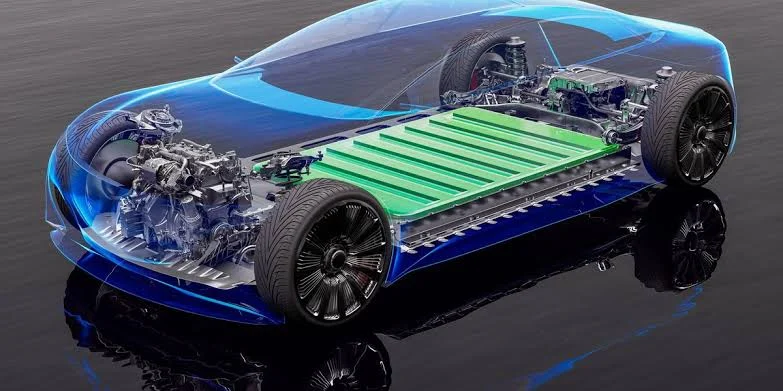
To understand the magnitude of this challenge, one must examine the core mechanics of energy storage in modern electric vehicles. Virtually all contemporary EVs rely on large-scale lithium-ion battery packs, which house numerous individual cells packed tightly together to maximize driving range and power output. When these batteries suffer structural damage, manufacturing defects, thermal abuse, or electrical short circuits, they can enter a catastrophic state known as thermal runaway. During thermal runaway, an exothermic reaction begins within a single cell, generating immense internal heat that rapidly spreads to adjacent cells in a chain reaction. This process produces temperatures soaring up to approximately 1,832 degrees Fahrenheit (1,000 degrees Celsius). At this extreme heat threshold, the organic solvents and separators within the battery break down, releasing flammable and toxic gases. Because the chemical reaction occurs inside a sealed, oxygen-rich environment within the battery pack itself, traditional fire suppression agents that simply starve a fire of external oxygen—such as standard dry chemical extinguishers or conventional foam blankets—frequently prove inadequate
. Water remains the primary cooling agent capable of lowering the temperature below the threshold of thermal runaway, but the sheer volume required creates unprecedented logistical hurdles for fire departments.
Comparative Data on Extinguishing Requirements
The disparity in resource allocation between fighting a conventional vehicle fire and an electric vehicle fire is staggering. Standard industry guidelines and historical data compiled by emergency management agencies indicate that a typical passenger car powered by gasoline or diesel generally requires between 500 and 1,000 gallons of water to completely suppress and extinguish a fully developed fire. In most cases, a single municipal fire engine carrying a standard water tank and utilizing a direct hose line can mitigate the hazard swiftly, minimizing road closures and environmental runoff.
In stark contrast, electric vehicle fires demand a resource deployment scale that frequently strains municipal infrastructure. Real-world incidents recorded over recent years highlight the exponential multiplication of water required. A prominent benchmark occurred during a highway incident involving a heavy-duty Tesla Semi, where responding fire crews were forced to deploy an astonishing 50,000 gallons of water over many hours to completely cool the massive commercial battery pack and prevent continuous thermal re-ignition. Similarly, municipal responses to localized incidents underscore these operational demands. In Wareham, Massachusetts, a transit-related lithium-ion battery fire in 2023 consumed more than 11,000 gallons of water before stabilization was achieved. In Bedford, New Hampshire, a comparable tram and battery-related emergency necessitated over 6,000 gallons of water just to bring the volatile flames under control. Another notable incident in Stamford, Connecticut, involving a Tesla passenger vehicle, required firefighters to maintain a continuous, uninterrupted water stream at a rate of 600 gallons per minute for a sustained duration of 40 minutes, totaling approximately 24,000 gallons. These figures illustrate that an EV fire is not merely an extended version of a standard car fire, but a fundamentally different class of hazardous materials incident.
Chronology and Historical Context of EV Fire Incidents
The evolution of lithium-ion battery technology has paralleled its integration into consumer and commercial markets, yet safety protocols have historically lagged behind the rapid pace of commercialization. The earliest generation of modern mass-market electric vehicles introduced in the early 2010s familiarized emergency services with high-voltage dangers, primarily focused on electrical shock hazards rather than prolonged thermal events. However, as battery capacities scaled up from an average of 20 to 40 kilowatt-hours (kWh) in early models to 100 kWh or more in modern long-range vehicles and commercial trucks, the thermal energy released during a failure scaled proportionally.
By the mid-2010s, regulatory bodies and international safety organizations began documenting isolated incidents where electric vehicles that had been extinguished and towed to salvage yards unexpectedly reignited hours or even days later. This phenomenon stems from the multi-layered architecture of large battery packs, where pockets of unreacted energy and trapped heat can smolder undetected.
Throughout the late 2010s and early 2020s, high-profile incidents involving electric buses, commercial delivery vans, and luxury passenger cars prompted a comprehensive re-evaluation of emergency response manuals. Fire departments in major metropolitan areas began establishing specialized training modules dedicated entirely to alternative fuel vehicles. By 2023 and 2024, as commercial electric fleets—such as delivery trucks and municipal transit buses—became widespread, the frequency of large-scale battery thermal events increased correspondingly. This historical trajectory transformed EV safety from a localized technical curiosity into a pressing national and international infrastructure concern, forcing emergency planners to account for water supply logistics, environmental runoff containment, and extended highway shutdowns.
Logistical and Environmental Implications for Emergency Services
The operational reality of pumping tens of thousands of gallons of water onto a single burning vehicle introduces severe logistical bottlenecks for fire departments, particularly in suburban and rural jurisdictions. Unlike urban centers equipped with high-capacity municipal water mains and abundant fire hydrants, rural highways and secondary roads often lack robust water infrastructure. When a heavy-duty electric commercial vehicle or passenger car experiences thermal runaway in a remote location, responding departments must implement complex tanker shuttle operations, mobilizing multiple water-tender trucks simply to maintain a continuous cooling stream. This depletes regional emergency resources, leaving surrounding communities temporarily underserved while personnel and equipment are tied down to a single extended incident.
Furthermore, the environmental impact of water runoff during an EV fire presents a critical challenge for regulatory and ecological agencies. The water used to cool a burning lithium-ion battery does not merely evaporate or drain harmlessly; it becomes heavily contaminated with toxic heavy metals—such as nickel, cobalt, manganese, and lithium—along with corrosive chemical byproducts from the decomposed electrolytes. When thousands of gallons of chemically laden water runoff flow unhindered into local storm drains, soil systems, or nearby waterways, it poses a severe threat to local aquatic ecosystems and groundwater supplies. Consequently, modern firefighting tactics increasingly emphasize the deployment of specialized containment berms, drain covers, and environmental protection units to capture contaminated runoff before it compromises local natural resources.
Industry Responses and Technological Adaptations
In response to the mounting challenges documented by emergency responders, automotive manufacturers, safety research institutes, and fire equipment developers are actively engineering new solutions to mitigate the risks associated with lithium-ion battery fires. Original Equipment Manufacturers (OEMs) are refining internal battery pack designs, incorporating advanced thermal barrier materials, improved cell spacing, and enhanced early-warning software sensors designed to detect minute drops in cell voltage before thermal runaway can escalate.
Simultaneously, the firefighting equipment sector has developed specialized apparatus tailored specifically for alternative fuel hazards. Innovations now include specialized piercing nozzles designed to penetrate the metallic casing of an EV battery pack directly, allowing firefighters to inject cooling water straight into the heart of the burning cells rather than simply dousing the exterior of the vehicle. Other technological developments involve remote-controlled robotic fire monitors that can withstand extreme heat and apply suppressant agents from a safe distance, reducing the risk of firefighter injury from sudden structural collapses or toxic gas releases. Additionally, heavy-duty fire blankets made of silica-based, high-temperature-resistant materials are increasingly utilized to smother the oxygen supply of burning vehicles and contain flare-ups while thermal energy dissipates.
Broader Economic and Policy Implications
The unique hazard profile of electric vehicle fires carries significant economic and policy ramifications that influence the broader automotive ecosystem. Insurance companies, facing escalating payout costs associated with total-loss EV fires, prolonged salvage yard quarantine periods, and collateral environmental cleanup expenses, are re-evaluating underwriting criteria for electric fleets and private owners alike. In some jurisdictions, insurers are adjusting premium rates or demanding stricter safety compliance protocols for commercial operators utilizing heavy-duty electric trucks and buses.
From a regulatory standpoint, transportation authorities and municipal governments are re-assessing parking and infrastructure policies. Multistory and underground parking garages, traditionally designed with standard ventilation and sprinkler systems tailored for gasoline vehicles, are facing scrutiny regarding their structural readiness to contain a prolonged high-temperature EV fire. Policy discussions now frequently center on whether to mandate dedicated parking spaces equipped with specialized suppression systems, improved thermal imaging monitoring, or designated outdoor isolation zones for damaged or charging electric vehicles.
Conclusion
The transition to electric mobility represents an irreversible paradigm shift in global transportation, yet it brings with it complex engineering challenges that demand continuous adaptation from public safety and emergency management sectors. The scientific reality of lithium-ion battery chemistry—specifically the extreme temperatures generated during thermal runaway and the persistent threat of delayed re-ignition—ensures that electric vehicle fires will remain a distinct operational hurdle. By understanding the data, acknowledging the logistical and environmental strains of high-volume water usage, and investing heavily in specialized equipment, advanced training, and innovative battery engineering, the global community can successfully navigate these challenges. Ultimately, bridging the gap between cutting-edge automotive technology and resilient emergency response capabilities will be essential to ensuring public safety and sustaining confidence in the future of clean transportation.
