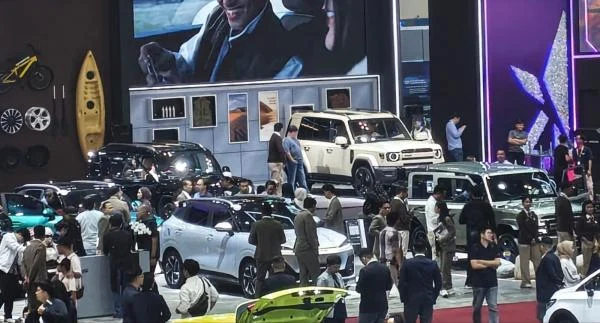
The Gaikindo Auto Week (GAW) 2026, currently underway at the Indonesia Convention Exhibition (ICE) BSD City in Tangerang, is redefining the traditional automotive trade show experience. Spanning from November 20 to November 29, 2026, the event has evolved from a simple product showcase into a comprehensive automotive festival that integrates lifestyle, education, and consumer utility. While the gleaming chassis of the latest internal combustion and electric vehicles remain the centerpiece, the organizers have meticulously curated an ecosystem that caters to families, enthusiasts, and industry professionals alike.
A New Paradigm for Automotive Exhibitions
Historically, automotive exhibitions were viewed primarily as platforms for manufacturers to debut new models and capture sales leads. However, the 2026 iteration of GAW signals a strategic pivot toward experiential marketing. By incorporating interactive zones, such as high-fidelity racing simulators, dedicated tracks for electric mini-vehicles, and expansive areas for diecast collectors, the Association of Indonesia Automotive Industries (Gaikindo) is successfully attracting a broader demographic. This transition acknowledges that the modern consumer demands more than just a specification sheet; they require an immersive environment that aligns with their lifestyle preferences.
The decision to expand the exhibition’s scope is a calculated response to shifting market dynamics in Southeast Asia’s largest economy. As Indonesia pushes forward with its ambitious electric vehicle (EV) adoption targets, creating "edutainment" spaces—where children and adults can interact with electric micro-mobility—serves to demystify the technology and build future consumer confidence.
Chronology and Event Structure
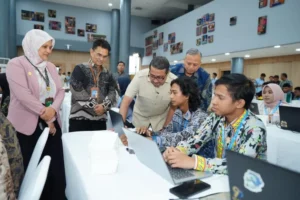
The event, which kicked off on November 20, was designed as a ten-day marathon of automotive engagement. The first three days were heavily focused on media previews and high-level industry discussions, where stakeholders addressed the supply chain challenges and the transition to sustainable energy.
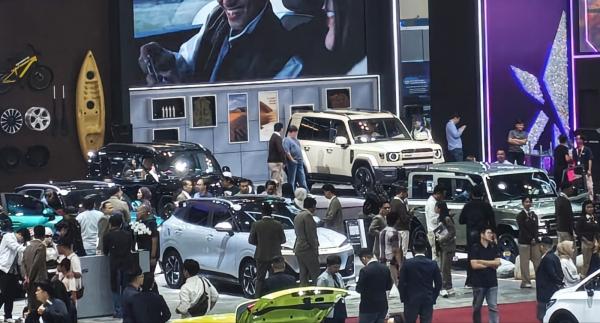
Following the initial trade-focused period, the doors were opened to the public, transforming the venue into a bustling hub of activity. Each day has been marked by a rotation of community gatherings, from classic car club meetups to technical seminars on vehicle maintenance. The latter portion of the event, running through November 29, is expected to see a surge in promotional activities and "closing deals," as exhibitors aim to maximize their year-end sales targets.
Supporting the Automotive Value Chain
One of the most significant pillars of GAW 2026 is the inclusion of over 30 prominent brands from the automotive aftermarket and supporting industries. This section of the exhibition floor is not merely an afterthought; it is a critical component of the event’s economic logic. Visitors can find everything from high-performance lubricants and paint protection films to specialized off-road tires and advanced vehicle security systems.
Anton Kumonty, the Head of the Exhibition and Conference Committee at Gaikindo, emphasized the symbiotic relationship between vehicle sales and the aftermarket sector. "When a consumer commits to a new vehicle purchase, the journey does not end at the transaction. It is often the beginning of a cycle of personalization and maintenance," Kumonty stated. "By consolidating these industry partners under one roof, we provide a holistic solution for the vehicle owner. It is about efficiency, quality assurance, and providing a one-stop-shop for automotive needs."
This integration is particularly relevant in the context of the burgeoning Indonesian aftermarket industry, which has seen double-digit growth as vehicle ownership rates continue to rise. By providing a platform for these brands, GAW 2026 helps formalize the market, connecting consumers with reputable suppliers and reducing the risks associated with the informal parts trade.
Market Implications and Industry Analysis
The timing of GAW 2026 is strategically aligned with the fourth quarter, a period traditionally associated with strong automotive sales in Indonesia. Economic data suggests that consumer confidence remains resilient, despite global inflationary pressures. The exhibition serves as a barometer for the health of the domestic automotive sector, providing manufacturers with real-time feedback on consumer sentiment regarding price points, features, and the shift toward electrification.

Analysts note that the heavy emphasis on "lifestyle" elements—such as culinary courts and interactive exhibits—is a necessary evolution. With the rise of digital sales platforms and virtual showrooms, the physical exhibition must offer a "value-add" that cannot be replicated online. The tangible experience of testing a simulator or browsing a rare diecast collection builds a emotional connection to the brand that digital ads struggle to achieve.
Furthermore, the participation of aftermarket brands provides a buffer for manufacturers. In years where new vehicle sales might experience volatility due to interest rate fluctuations, the parts and accessories sector often remains stable, providing a consistent revenue stream and foot traffic for the exhibition organizers.
The Role of Technology and Education
GAW 2026 is also serving as a classroom for the general public. The prominence of electric mini-vehicle play areas and simulator zones is part of a broader, long-term strategy to socialize the concept of electrification. For many attendees, especially younger generations, this may be their first meaningful interaction with EV technology. By framing it as a fun, accessible activity, Gaikindo is effectively lowering the psychological barriers to EV adoption.
The event also features technical workshops where experts demonstrate the nuances of vehicle care, specifically tailored to the unique climate and road conditions of Indonesia. This focus on "owner education" is expected to lead to better vehicle longevity and higher customer satisfaction scores for participating manufacturers.
Looking Toward the Future
As the exhibition moves into its final days, the success of GAW 2026 will likely be measured by more than just units sold. The organizers are looking at metrics such as foot traffic diversity, engagement rates in interactive zones, and the feedback from the 30+ supporting industry partners. If the current trajectory continues, the model employed in 2026—blending commercial sales with lifestyle and community building—will likely set the standard for all future automotive exhibitions in the region.

The implications for the broader industry are clear: the automotive show of the future is a hybrid entity. It is part mall, part showroom, part playground, and part industry forum. By successfully balancing these disparate elements, Gaikindo has managed to keep the relevance of the physical trade show intact in an increasingly digital world.
As visitors continue to stream into ICE BSD City, the atmosphere remains one of optimism. Whether one is a serious buyer looking for the latest SUV, a hobbyist searching for a rare automotive collectible, or a family looking for a weekend outing, GAW 2026 provides a comprehensive look at where the Indonesian automotive landscape stands today—and where it is heading tomorrow. The event stands as a testament to the fact that, regardless of how much technology changes the way we drive, the passion for cars remains a deeply social and experiential endeavor.