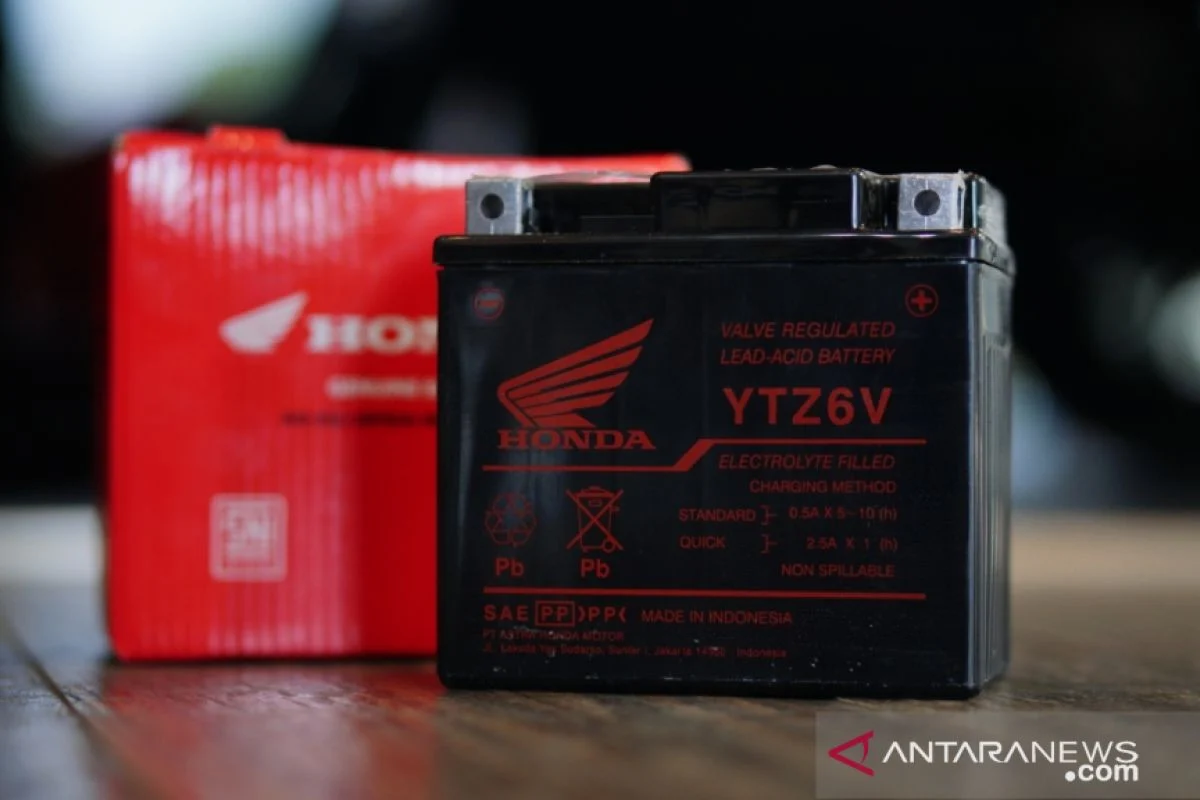
The motorcycle battery serves as the indispensable heart of a vehicle’s electrical ecosystem, quietly orchestrating the flow of vital energy required to power everything from ignition starters and high-intensity headlights to complex digital instrument clusters and auditory warning systems. Without a reliable, well-maintained power source, even the most robust internal combustion engine remains immobilized. Despite its critical function, the battery is frequently overlooked by riders until sudden failure leaves them stranded on busy roadways. Understanding the intricate mechanisms of battery degradation, implementing rigorous maintenance protocols, and recognizing early warning signs can dramatically enhance vehicular reliability while shielding owners from unnecessary and recurring repair expenses.
The Mechanics of Battery Degradation and Core Vulnerabilities
At its core, a motorcycle battery operates through electrochemical reactions designed to store and discharge direct current (DC) electricity on demand. However, these systems are highly sensitive to operational imbalances, environmental conditions, and user habits. When the electrical energy consumed by auxiliary devices and operational systems surpasses the charging capacity generated by the motorcycle’s alternator or stator, the battery enters a deficit state. Over time, chronic undercharging accelerates wear, diminishes overall storage capacity, and compromises the internal chemical composition of the unit.
Prominent battery manufacturers, including global industry leader GS Yuasa, have consistently highlighted that lead-acid and conventional batteries are particularly vulnerable to natural self-discharge. When a vehicle remains parked for extended periods without use, chemical energy slowly dissipates. If a battery is allowed to linger in a depleted state for weeks or months, a destructive chemical process known as sulfation takes place. During sulfation, hard lead sulfate crystals form across the internal plates of the battery, permanently obstructing the electrochemical reactions necessary for holding a charge. Consequently, even a relatively new battery can be rendered entirely useless if left unmonitored during periods of prolonged storage.
Beyond inactivity, external factors such as extreme ambient temperatures, severe vibrations from rough road surfaces, and accumulated oxidation on external connection points actively undermine battery longevity. Neglecting these environmental stressors often results in premature failure, turning what should be a three-to-five-year investment into a recurrent financial burden.
Comprehensive Timeline of Battery Wear and Operational Lifecycle
To fully comprehend how batteries degrade, it is essential to trace the typical timeline of a motorcycle power unit from installation to eventual replacement. Understanding this chronological progression allows riders to intervene proactively at critical stages of the battery’s operational lifecycle.
During the initial installation phase—spanning months zero to twelve—a high-quality battery operates at peak efficiency. Modern AGM (Absorbent Glass Mat) batteries, which are factory-sealed and maintenance-free, typically demonstrate robust performance during this window, provided the motorcycle’s charging system functions within manufacturer specifications. Routine daily commutes or weekend rides naturally replenish the minor electrical draw incurred during starting sequences.
Entering the intermediate phase—spanning months twelve to thirty-six—wear patterns begin to emerge based on rider habits. Vehicles subject to frequent short trips often experience accelerated degradation. Short commutes prevent the engine from running long enough for the alternator to fully restore the energy expended during the initial electric start. If the motorcycle sits idle for consecutive weekends during this phase, self-discharge begins eroding the baseline voltage. Minor chemical imbalances and microscopic sulfation deposits may start forming on internal plates if proactive charging measures are ignored.
By the advanced phase—spanning months thirty-six to sixty for AGM batteries, or months twenty-four to thirty-six for conventional wet-cell batteries—internal resistance increases significantly. The battery retains surface charge but struggles under heavy loads, such as engaging the electric starter on cold mornings. Without vigilant maintenance, including terminal cleaning, voltage testing, and seasonal trickle charging, the battery reaches the end of its functional capacity, necessitating complete replacement to restore reliable operation.
Identifying Early Warning Signs of Impending Battery Failure
Recognizing the subtle symptoms of a failing battery can prevent unexpected roadside emergencies. Modern motorcycles rarely experience instantaneous battery failure without prior warning; instead, they communicate distress through several observable mechanical and electrical indicators.
- Sluggish Electric Starter: One of the most common early signs is a hesitant or sluggish electric starter motor. When pressing the ignition switch results in a labored cranking sound rather than an immediate engine turnover, it indicates that the battery voltage has dropped below optimal levels.
- Diminished Lighting Performance: Headlights, auxiliary running lights, and dashboard indicators may appear visibly dimmer when the engine is idling. This occurs because the weak battery cannot adequately supplement the electrical load when generator output drops at low revolutions per minute (RPM).
- Weakened Auditory Signals: Horns rely on steady amperage to produce a sharp, clear tone. A failing battery often causes the horn to sound muffled, weak, or completely unresponsive.
- Digital Instrument Panel Irregularities: Modern motorcycles equipped with advanced digital dashboards, LCD screens, or electronic fuel-injection systems may experience flickering displays, clock resets, or error codes triggered by voltage sags during startup sequences.
- Persistent Starting Difficulties: Engines that require multiple attempts to start, particularly after sitting overnight, frequently point toward an underlying storage deficiency within the battery itself.
Industry experts emphasize that while these symptoms strongly correlate with battery wear, they can occasionally stem from external electrical faults, such as corroded wiring harnesses, failing voltage regulators, or faulty ignition switches. Consequently, diagnostic testing using a digital multimeter or a dedicated battery analyzer is strongly recommended before purchasing a replacement unit.
Industry Insights and Technical Recommendations from GS Yuasa
As a premier manufacturer of automotive and motorcycle batteries, GS Yuasa provides rigorous technical guidelines designed to maximize the lifespan of energy storage units. According to engineering insights from the manufacturer, preventive maintenance remains significantly more cost-effective than frequent replacements.
GS Yuasa underscores the importance of matching replacement batteries precisely to the manufacturer’s original specifications. Choosing a battery based solely on physical dimensions or discounted pricing often introduces systemic vulnerabilities. A battery with an inadequate Ampere-hour (Ah) rating or incorrect cold-cranking amperage (CCA) will struggle to support modern motorcycle electrical architectures, leading to chronic underperformance and premature component failure.
Furthermore, official technical advisories stress that conventional wet-cell batteries—commonly referred to as flooded or serviceable batteries—require meticulous monitoring of internal electrolyte levels. Riders must routinely inspect fluid levels through translucent casing markers and replenish evaporated fluid exclusively with distilled water up to the designated upper fill line, avoiding overfilling. Conversely, maintenance-free (MF) and AGM batteries must never be opened or tampered with; puncturing or removing factory seals on these units destroys the delicate internal pressure balance and instantly ruins the battery.
Nine Essential Maintenance Practices to Prevent Premature Battery Soak
Extending the operating life of a motorcycle battery does not require advanced mechanical expertise. By adopting consistent, disciplined maintenance habits, riders can safeguard their vehicle’s electrical system against unexpected failures.
1. Always Match Batteries to Manufacturer Specifications
Every motorcycle model is engineered with a specific electrical draw profile that dictates exact voltage, capacity, physical sizing, and terminal configuration requirements. Installing an incorrect battery type disrupts the delicate equilibrium between power generation and consumption, resulting in chronic charging failures and severely shortened component lifespans.
2. Operate and Warm Up the Vehicle Regularly
Allowing a motorcycle to sit dormant for weeks at a time invites natural self-discharge and destructive sulfation. Operating the machine regularly on meaningful journeys ensures that the alternator has sufficient time to fully replenish energy reserves. However, simply idling the motorcycle inside a garage for a few minutes is generally insufficient to restore a depleted battery.
3. Mitigate the Effects of Long-Term Storage
When extended storage periods are unavoidable—such as during winter months or extended travel—riders should actively manage battery health. Utilizing a specialized smart charger or trickle charger designed specifically for motorcycle batteries prevents deep discharge cycles. Disconnecting the negative terminal can also reduce parasitic drains caused by security systems, immobilizers, and electronic clocks.
4. Maintain Clean and Secure Terminal Connections
Battery terminals serve as the critical gateway between chemical storage and electrical distribution. Over time, exposure to moisture and atmospheric elements causes oxidation, manifesting as white powdery residue or severe rust. Riders must inspect terminals periodically, cleaning corrosion safely with a wire brush and ensuring that mounting fasteners remain securely tightened to prevent intermittent electrical arcing.
5. Conduct Periodic Voltage and Physical Inspections
Routine inspections help identify structural deformities, hairline cracks, or electrolyte leaks before they escalate into catastrophic failures. Utilizing a multimeter to test resting voltage—ideally registering around 12.6 volts to 12.8 volts for a fully charged 12-volt battery—provides objective insight into battery health. Testing should ideally occur at least once a month for vehicles used infrequently.
6. Monitor and Maintain Electrolyte Levels in Wet-Cell Batteries
For riders utilizing traditional conventional batteries equipped with removable filler caps, monitoring fluid levels is paramount. Electrolyte fluid naturally evaporates during high-temperature operations. Ensuring fluid levels remain consistently between the lower and upper indicator lines prevents internal lead plates from exposing to air, which causes irreversible oxidation and permanent capacity loss.
7. Exercise Caution with Aftermarket Electrical Accessories
Modern riders frequently customize their motorcycles by installing auxiliary LED lighting arrays, high-output horns, heated grips, and USB charging ports. While these accessories enhance convenience, they substantially increase electrical demand. Prior to installation, owners must calculate total power consumption to ensure the motorcycle’s charging system and battery capacity can sustain the additional load without experiencing chronic power deficits.
8. Utilize Dedicated Motorcycle Battery Chargers
When a battery loses charge due to inactivity, recharging must be executed using equipment engineered specifically for two-wheeled vehicles. Automotive battery chargers often deliver excessive amperage that can overheat smaller motorcycle batteries, causing internal warping, acid boiling, or explosive battery rupture. Smart chargers designed for motorcycles automatically regulate current flow and safely taper off once full capacity is achieved.
9. Inspect the Entire Charging and Electrical Ecosystem
A battery that repeatedly goes flat is often a symptom of a deeper systemic issue rather than a defective unit. Faulty alternators, damaged stators, failing voltage regulators (rectifiers), or hidden electrical short circuits can prevent proper charging while the engine runs. Replacing a dead battery without addressing an underlying alternator failure will inevitably result in the new battery suffering the exact same fate within a short timeframe.
Broader Implications and Economic Impact for Riders
The overarching implications of proper motorcycle battery maintenance extend far beyond mere mechanical convenience; they intersect directly with rider safety, environmental sustainability, and personal financial management.
From an economic perspective, replacing a motorcycle battery prematurely represents an avoidable recurring expense. High-performance AGM batteries represent a significant financial investment. By adhering to proactive maintenance schedules—such as utilizing trickle chargers during storage periods and keeping terminals free of corrosive buildup—riders can routinely stretch battery operational lifespans from two years to the maximum five-year threshold. This disciplined approach cuts ownership costs in half over a decade of riding.
From a safety standpoint, a sudden electrical failure on a high-speed highway or in remote areas poses severe risks. Losing electrical power instantly deactivates critical safety systems, including headlights, turn signals, brake lights, and digital fuel-injection systems, potentially stranding the rider in hazardous traffic conditions. Ensuring robust battery reliability directly contributes to predictable, secure journeys.
Ultimately, maintaining a motorcycle battery requires minimal time investment yet yields substantial dividends. By respecting technical specifications, recognizing early operational symptoms, and implementing consistent preventive routines, riders can ensure their machines remain dependable, efficient, and ready for the road at a moment’s notice.