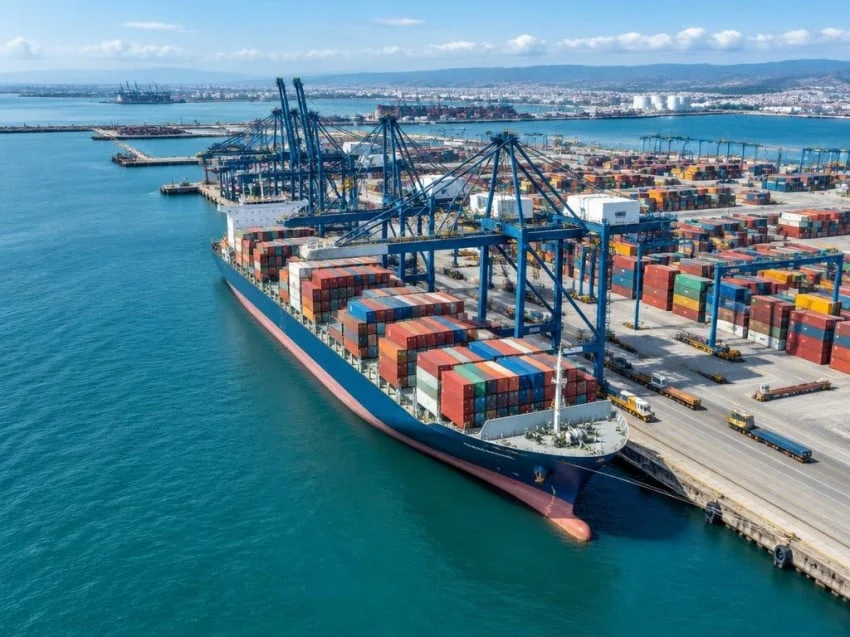
The geopolitical stability of the Red Sea has deteriorated significantly following a series of military engagements involving the Saudi-led coalition and Houthi insurgent forces, centered on the strategic port of Hodeidah. Following an explicit evacuation order issued by the coalition to civilians residing near the facility, air strikes were launched against the port, which serves as a critical lifeline for humanitarian aid and commercial goods entering Yemen. This escalation follows a direct ultimatum from the Houthi movement, which vowed to target major Saudi maritime infrastructure, including the Jeddah Islamic Port, in retaliation for any military action taken against Hodeidah.
Chronology of the Escalation
The recent developments follow a pattern of tit-for-tat military signaling that has defined the conflict in Yemen for nearly a decade. The sequence of events leading to the current crisis began with increased maritime security concerns in the Red Sea, a vital artery for global trade.
In the hours preceding the strike, the Saudi-led coalition, which has been supporting the internationally recognized Yemeni government against the Houthi rebels since 2015, issued a formal warning. Major General Turki al-Maliki, the coalition spokesperson, utilized the social media platform X (formerly Twitter) to command civilians to vacate the Hodeidah port area immediately. The coalition marked the region in red, indicating a designated military target zone, citing the necessity to neutralize threats emanating from the facility.
Shortly after the coalition’s announcement, the Houthi-affiliated Saba News Agency released a statement detailing a retaliatory doctrine. The group explicitly warned that any offensive operation against Hodeidah would trigger an asymmetric response against Saudi Arabian ports along the Red Sea coast. The rhetoric specifically identified Jeddah—the second-largest maritime hub in the region—as a primary target. The Houthi leadership urged workers, port employees, and international shipping companies to evacuate the vicinity of Saudi ports, signaling an expansion of the conflict from a localized Yemeni struggle to a broader regional maritime threat.
The Strategic Importance of Hodeidah
Hodeidah is not merely a military outpost; it is the primary gateway for Yemen’s food, fuel, and medical supplies. According to United Nations reports, approximately 70% to 80% of all commercial imports and humanitarian aid enter Yemen through the Hodeidah and Salif ports.
The facility’s strategic location on the Red Sea makes it a point of contention. For the Saudi-led coalition, the port is frequently characterized as a staging ground for the smuggling of Iranian-supplied weaponry, including anti-ship ballistic missiles and sea mines. For the Houthis, maintaining control over the port is essential for both their logistical sustainability and their political leverage.
Economic and Humanitarian Implications
The potential for a sustained conflict in the Red Sea carries severe economic consequences. The Bab el-Mandeb Strait, located near the Hodeidah port, is one of the world’s most significant maritime chokepoints. Approximately 10% of global seaborne trade passes through these waters annually.
A direct strike on a major port or the targeting of commercial vessels in the vicinity of Jeddah would force global shipping conglomerates to reroute their cargo. Such a move would necessitate longer transit times around the Cape of Good Hope, leading to a sharp increase in fuel consumption, insurance premiums for vessels entering the Red Sea, and ultimately, higher costs for consumer goods worldwide.
From a humanitarian perspective, the closure or destruction of Hodeidah’s infrastructure could exacerbate the already dire situation in Yemen. The country has been described by various international aid organizations as suffering from one of the world’s worst man-made humanitarian crises. Disrupting the flow of goods through this port could trigger a rapid shortage of life-saving supplies, further destabilizing a population that is heavily dependent on external assistance for basic survival.
Official Responses and International Stance
While the Saudi-led coalition maintains that its actions are necessary to protect regional security and prevent the proliferation of illicit weaponry, the international community has expressed profound concern.
The United Nations has consistently called for de-escalation, emphasizing that the port must remain operational to prevent a collapse in food security. While the coalition claims that its targeting is precise and intended to dismantle Houthi military capabilities, human rights organizations have frequently warned that military operations in densely populated areas of Hodeidah risk causing significant collateral damage.
The Houthis, meanwhile, have framed their response as a matter of "sovereignty and defense." Their willingness to threaten major Saudi commercial hubs indicates a shift in their military strategy—moving away from strictly internal Yemeni engagements toward a projection of power that challenges the economic security of their neighbors. Analysts suggest this is an attempt to force the Saudi-led coalition into a stalemate by raising the cost of intervention to an unsustainable level for the Saudi economy.
Analysis of Military Strategy and Risks
The current situation represents a high-stakes gamble for both parties. For the Saudi-led coalition, failing to act against Hodeidah risks allowing the Houthis to solidify their maritime capabilities, which could pose a persistent threat to global oil tankers and container ships. However, acting against the port invites direct retaliatory strikes on Saudi territory, potentially dragging the Kingdom back into a high-intensity war that it has been attempting to exit through diplomatic backchannels.
For the Houthi movement, the threat to attack Jeddah serves as a psychological deterrent. By explicitly naming critical infrastructure in Saudi Arabia, they are attempting to exert pressure on the international community to restrain the coalition. However, this strategy carries the risk of triggering an even more robust military response from the coalition, which maintains air superiority and significant naval assets in the region.
The Broader Regional Context
The escalation in Hodeidah must be viewed through the lens of regional power dynamics. The conflict in Yemen is widely considered a proxy war between Saudi Arabia and Iran. Tehran has consistently denied providing direct military support to the Houthis, yet international investigations have repeatedly linked Houthi weaponry—specifically drones and missiles—to Iranian technology.
As the conflict intensifies, the risk of miscalculation remains high. A strike that results in mass civilian casualties or significant damage to an international commercial vessel could trigger a broader regional conflict, involving international naval coalitions currently patrolling the area to protect shipping lanes. The presence of international navies, including those from the United States, the United Kingdom, and the European Union, adds a layer of complexity to the situation. These forces are tasked with maintaining maritime security, and any direct military engagement between the Houthis and these international actors would represent a dramatic expansion of the crisis.
Future Outlook and De-escalation Challenges
As of the latest reports, the situation remains fluid. The coalition has not indicated an intent to cease its military activities, and the Houthi forces have reaffirmed their readiness to retaliate against Saudi ports. Diplomatic efforts by the United Nations special envoy for Yemen are ongoing, but the recent military developments have complicated these negotiations.
The primary challenge for de-escalation is the absence of a mutually acceptable framework for maritime security in the Red Sea. Without an agreement that addresses the coalition’s concerns regarding arms smuggling and the Houthis’ demands for economic access and political recognition, the port of Hodeidah will likely remain a flashpoint.
The coming days will be critical in determining whether this cycle of violence can be contained or if it will evolve into a more prolonged and destructive phase of the Yemeni conflict. Global markets, maritime insurers, and humanitarian agencies remain on high alert, monitoring the developments in Hodeidah with significant concern for the stability of one of the world’s most vital waterways. The events highlight the fragile state of regional security and the persistent difficulty of achieving a durable peace in a region defined by overlapping strategic interests and long-standing hostilities.