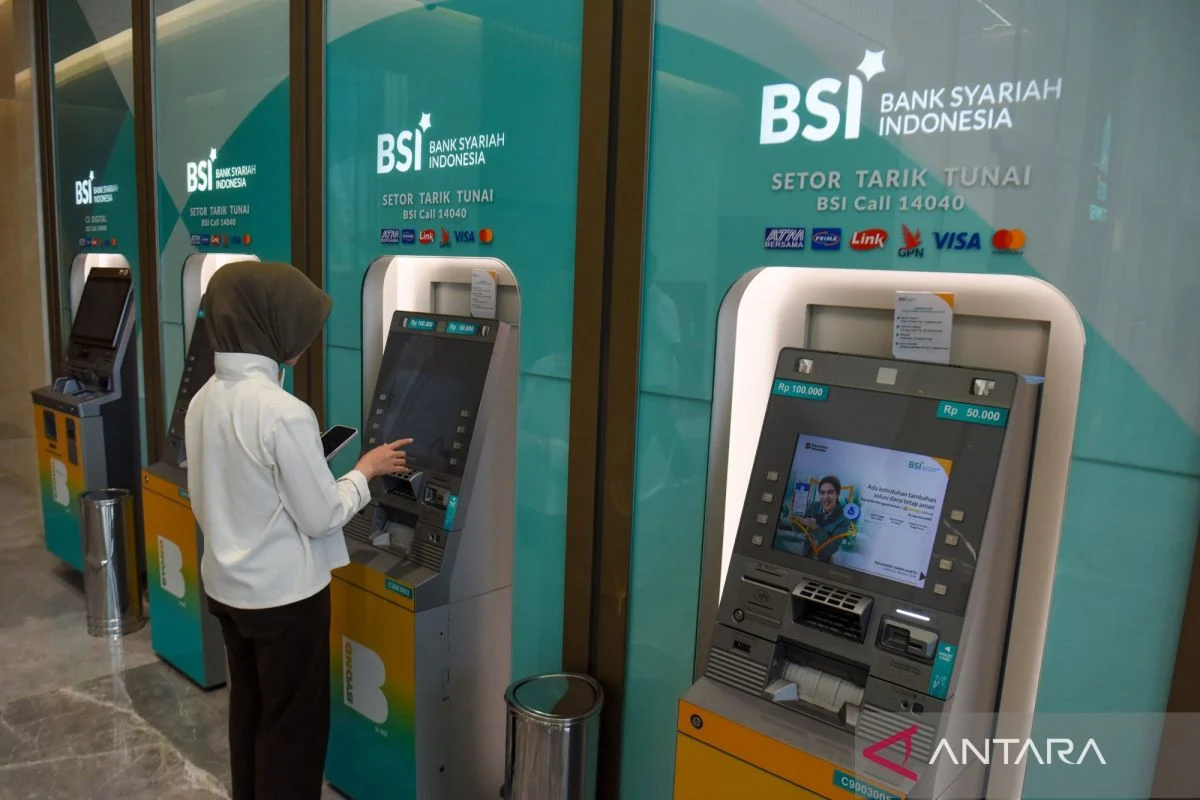
Jakarta (ANTARA) — Encountering a rejected transaction at an Automated Teller Machine (ATM) despite holding a healthy account balance is a frustrating experience shared by bank customers worldwide. Whether attempting a cash withdrawal, a funds transfer, or a simple balance inquiry, a sudden card failure can cause immediate panic, often leading customers to assume their accounts have been compromised or that their savings are inaccessible. However, banking industry data reveals that a declined transaction rarely means the money is gone. Instead, the root causes typically stem from technical glitches, card maintenance issues, security protocols, or operational limits imposed by financial institutions.
Understanding why a debit card stops functioning requires looking beyond the account balance. Modern banking systems rely on a complex web of physical card integrity, digital security algorithms, interbank communication networks, and regulatory compliance frameworks. When a single component in this chain fails, the transaction is automatically aborted. Financial experts and consumer protection agencies emphasize that customers should calmly assess the situation before taking drastic steps like destroying their cards or opening new accounts. To help account holders navigate these stressful moments, industry regulations and banking authorities outline the primary factors behind ATM card failures and provide clear troubleshooting pathways.
Card Expiration and Physical Deterioration
The most common physical reasons for an ATM card rejection involve the passage of time and wear-and-tear. Every debit card is issued with a strict expiration date, typically printed on the front of the plastic. Once this date passes, the card ceases to function at both ATM terminals and Point-of-Sale (POS) machines, regardless of the financial status of the underlying checking or savings account. Banks implement expiration dates as a crucial security measure to ensure that card technology, such as EMV chips and magnetic stripes, remains updated and protected against emerging counterfeit techniques. When a card expires, customers must request a renewal through their bank’s customer service channels or by visiting a local branch.
Beyond expiration, physical damage to the card remains a major hurdle for daily transactions. Modern ATM cards utilize embedded microchips and magnetic stripes to transmit data securely to the bank’s server. If a card is severely scratched, bent, cracked, or exposed to strong magnetic fields, the reading mechanism inside the ATM terminal will fail to process the data. According to guidelines from the Association of Banks in Malaysia, unreadable chips and corrupted magnetic data account for a significant percentage of localized transaction declines. Customers who experience repeated read errors due to physical wear must apply for a replacement card, a process that typically takes a few working days.
Security Protocols: PIN Errors and Bank-Initiated Freezes
Security measures designed to protect consumer assets can sometimes backfire on the cardholder if triggered incorrectly. The most frequent user-end security failure is entering an incorrect Personal Identification Number (PIN). Banks enforce strict rules regarding PIN attempts; entering the wrong code consecutively—usually three times—triggers an automatic system block to thwart potential thieves. This protective measure safeguards the account against unauthorized access if the card is lost or stolen, but it also locks out legitimate owners who experience a momentary lapse in memory. Unlocking a card requires identity verification through official banking channels, such as a secure mobile app, a customer service hotline, or an in-branch visit.
In addition to user errors, financial institutions routinely place temporary blocks on cards when their fraud-detection systems flag unusual activity. Modern banking algorithms monitor transaction patterns, geographical locations, and spending habits in real-time. If a card is suddenly used in a foreign country, for an unusually large purchase, or in a manner inconsistent with the account holder’s history, the system may classify it as suspicious. The United States Federal Trade Commission (FTC) notes that card issuers are legally mandated to monitor and intercept potentially fraudulent transactions to protect consumers. Consequently, a card may be frozen mid-transaction, requiring the cardholder to verify their identity with the bank before access is restored.
Operational Limits and Account Status Restrictions
Even when a physical card is in pristine condition and the PIN is entered correctly, financial institutions enforce internal rules that can halt a transaction. One such rule is the daily withdrawal and transfer limit. Banks establish maximum transaction caps to mitigate losses in the event of theft and to manage cash flow liquidity. For instance, if a card has a daily withdrawal ceiling of IDR 10 million and the customer has already withdrawn that amount earlier in the day, any subsequent attempt will be rejected, even if the account holds hundreds of millions of rupiah. Account holders can verify or adjust these limits through mobile banking applications or by contacting their bank.
Furthermore, the operational status of the account itself plays a critical role. Accounts that remain dormant for extended periods without any customer-initiated transactions may be classified as inactive or dormant according to internal bank policies. Financial institutions implement this status to prevent unauthorized usage of forgotten accounts. Additionally, regulatory compliance, such as periodic Know Your Customer (KYC) updates or administrative holds due to legal inquiries, can temporarily restrict account functionality. When an account is restricted, the ATM card associated with it will fail to execute transactions, requiring the account holder to update their documentation at a branch office.
External Factors: Technical Failures, Cash Shortages, and Network Interruption
Not all ATM transaction failures originate from the customer’s card or account. A significant portion of declined transactions is caused by infrastructure issues at the terminal or network level. ATMs are complex electromechanical devices that require constant maintenance. One frequent issue is the physical depletion of cash within the machine’s internal cassettes. When an ATM runs out of banknotes, it cannot fulfill withdrawal requests, leading to failed transactions despite the user’s ample balance. In such cases, the problem is localized to that specific machine, and utilizing a nearby ATM usually resolves the issue.
Beyond cash availability, technical glitches and communication failures between financial networks frequently disrupt services. ATMs rely on secure telecommunication lines to connect the terminal to the bank’s central server or interbank switching networks. The United States Federal Reserve highlights that communication outages between financial institutions and ATM networks can temporarily sever the data link, preventing machines from verifying account balances or authorizing withdrawals. Similarly, Mastercard’s Transaction Processing Rules outline that system-wide processing errors, software updates, or network overloads can cause widespread transaction rejections across multiple banks. When interbank networks experience downtime, cards issued by one bank may fail when used at another bank’s terminal, necessitating patience or the use of an alternative network.
Troubleshooting Steps and Consumer Best Practices
When faced with a sudden ATM transaction failure, financial experts advise consumers to follow a structured troubleshooting checklist before panicking:
- Verify Account Balance and Transaction History: Log into mobile or internet banking to ensure the funds are truly available and that no unauthorized transactions have occurred.
- Inspect the Card Physically: Check for cracks, deep scratches, or chip damage that might prevent the terminal from reading the card.
- Confirm Transaction Limits: Review daily withdrawal and transfer caps via the banking application to ensure the requested amount does not exceed the limit.
- Test an Alternative Machine: If the terminal displays a network error or appears unresponsive, move to a different ATM, preferably one operated by the same bank or located within a branch.
- Contact Customer Support: If the card remains unusable, call the official bank hotline listed on the back of the card or inside the official mobile application.
Security Experts Warn Against Scams During ATM Crises
Law enforcement agencies and consumer protection advocates consistently warn the public to remain vigilant when experiencing ATM difficulties. Fraudsters frequently exploit moments of consumer panic by lingering near ATMs, posing as helpful strangers, or attaching fraudulent emergency contact numbers to the machine. Police reports emphasize that cardholders should never accept assistance from strangers when dealing with a swallowed card, a frozen screen, or a declined transaction. Furthermore, customers must safeguard their PINs and never disclose their OTP (One-Time Password) or banking credentials to anyone, including individuals claiming to be bank officers or law enforcement personnel.
Broader Implications for the Digital Banking Ecosystem
The persistent occurrence of ATM card failures highlights the ongoing transition within the global financial sector toward a diversified payment ecosystem. While physical cash and traditional debit cards remain foundational pillars of retail banking, incidents of terminal downtime and network congestion underscore the vulnerability of legacy infrastructure. In response, financial institutions are heavily investing in cardless withdrawal technologies, biometric authentication, and robust digital wallets. Features enabling cardless cash withdrawals via mobile applications at automated terminals or retail partners are gaining popularity, offering consumers seamless alternatives when physical cards fail.
Ultimately, understanding the multifaceted reasons behind ATM card rejections empowers consumers to handle financial disruptions with confidence. By differentiating between user errors, card damage, security freezes, and technical network glitches, account holders can take the appropriate remedial actions swiftly and securely. As banking technology continues to evolve, maintaining awareness of security protocols and operational guidelines remains the best defense against transaction disruptions in an increasingly digital world.