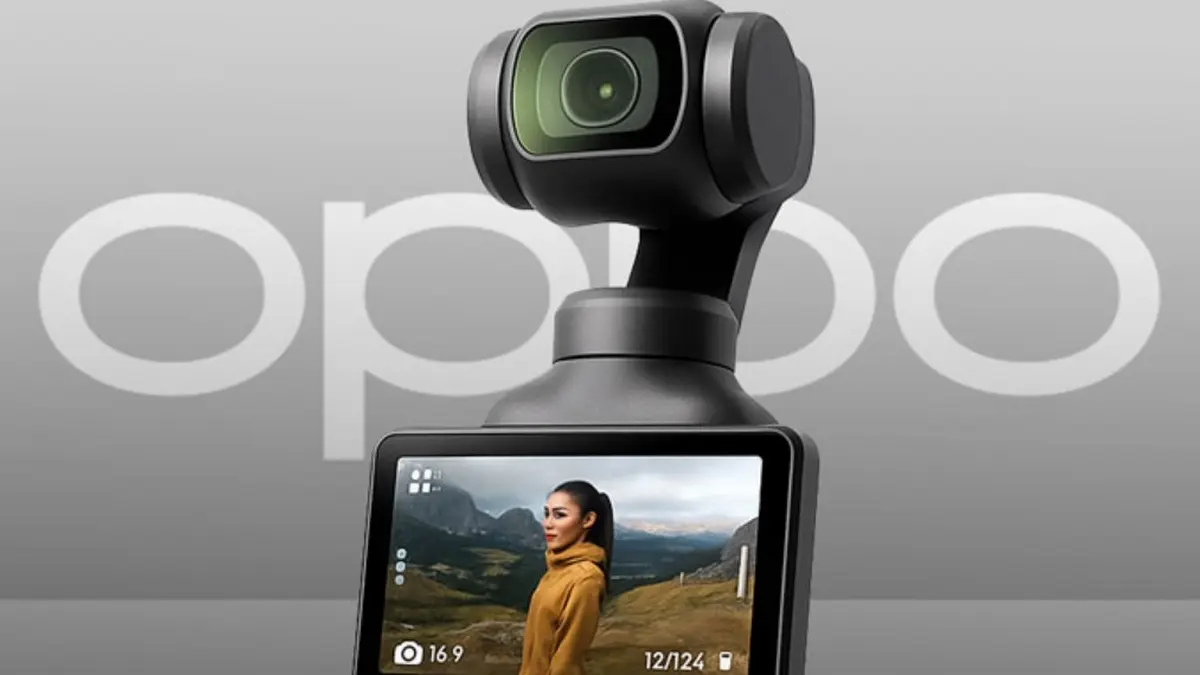
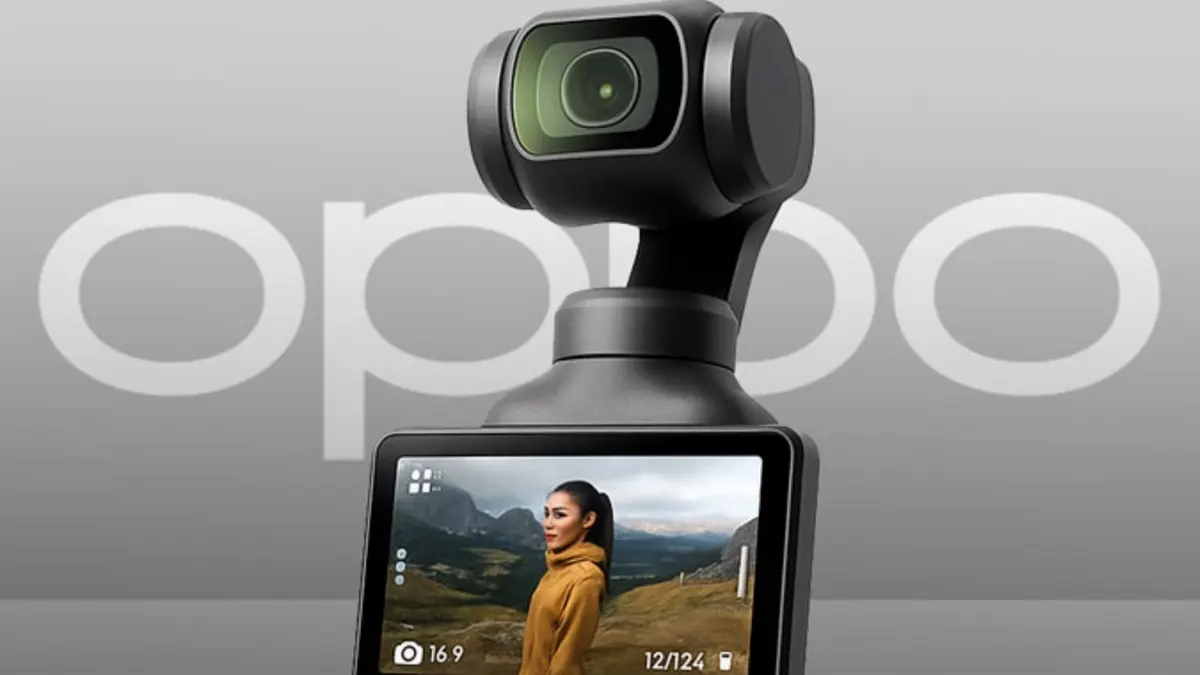
OPPO is preparing to diversify its consumer electronics portfolio beyond traditional smartphones by developing its first-ever pocket gimbal camera. Known internally by the codename "Fuyao," the upcoming device signifies the Chinese technology conglomerate’s strategic entry into the rapidly expanding market for ultra-portable, stabilized video recording equipment. According to industry insiders and leaks originating from the reliable tipster Digital Chat Station (DCS), the development phase of Project Fuyao is nearing completion, positioning the brand to fiercely compete against established industry leaders such as DJI and Insta360.
The emergence of dedicated pocket gimbal cameras addresses a growing consumer demand for high-quality, stabilized video capture without the logistical burden of carrying bulky digital single-lens reflex (DSLR) cameras, mirrorless bodies, or separate handheld motorized stabilizers. As content creation, vlogging, and mobile journalism continue to proliferate globally, technology manufacturers are increasingly recognizing the necessity of lightweight, all-in-one cinematic tools. With OPPO now poised to launch Fuyao, the competitive landscape is set to undergo a significant shift, offering creators alternative ecosystems and innovative imaging technologies.
Background Context and the Evolution of Pocket Imaging
The pocket gimbal camera category was largely popularized by DJI through its innovative Osmo Pocket series, which combined a mechanical three-axis gimbal with a high-resolution camera sensor into a device small enough to fit inside a pocket. Over the years, these devices have evolved from niche novelties into staple equipment for travel vloggers, independent filmmakers, and social media influencers who require cinematic stabilization in dynamic environments.
In recent years, competition within this specialized segment has intensified significantly. Brands like Insta360 have captured substantial market share by introducing modular designs, advanced artificial intelligence tracking features, and immersive panoramic capabilities. Furthermore, industry reports indicate that other major smartphone manufacturers, including vivo, are similarly exploring or actively developing their own pocket gimbal solutions.
OPPO’s decision to enter this vertical is not entirely unprecedented. The company has long maintained a reputation for pioneering mobile imaging innovations, highlighted by its longstanding strategic partnership with legendary camera manufacturer Hasselblad, as well as the development of proprietary imaging chips such as the MariSilicon series. By translating its extensive mobile photography and videography expertise into a dedicated hardware form factor, OPPO aims to capture a lucrative demographic of content creators who demand professional-grade video stabilization paired with superior color science.
Chronology and Development Timeline of Project Fuyao
The timeline leading up to the anticipated launch of OPPO Fuyao demonstrates a calculated, long-term corporate strategy. The foundation for this expansion was formally laid in September, when corporate executives and official company communications hinted at the development of an entirely new category of imaging products characterized by unique form factors. At the time, OPPO outlined a strategic roadmap targeting a commercial rollout within the 2026 calendar year.
As the development cycle progressed through late 2025 and into the current period, details surrounding Project Fuyao began leaking via supply chain monitors and well-known industry analysts on social media platforms such as Weibo. Digital Chat Station reported that OPPO management harbors immense confidence in the commercial viability and technological competitiveness of Fuyao. To ensure a disruptive market entry, OPPO’s research and development teams have reportedly conducted exhaustive benchmarking and competitive analyses of existing market offerings from DJI and Insta360.
While the official launch date has not yet been formally announced by corporate headquarters, industry consensus suggests that an unveiling could occur during a major global technology expo or a dedicated hardware launch event in the coming months.
Technical Rumors, Specifications, and Ecosystem Integration
Although OPPO has maintained tight-lipped official confidentiality regarding the precise hardware specifications of Project Fuyao, early leaks and industry rumors have generated substantial anticipation within the tech community.
Chief among these rumors is speculation regarding the inclusion of an ultra-high-resolution sensor, with some sources previously hinting at a massive 200-megapixel primary camera capability. While technical experts caution that such high pixel counts in pocket-sized gimbals must be carefully balanced against low-light performance and thermal management, the inclusion of advanced sensor technology aligns with OPPO’s history of pushing boundaries in digital imaging.
Additionally, analysts anticipate deep ecosystem integration between the Fuyao gimbal and OPPO’s flagship smartphone lineup. Seamless connectivity would theoretically allow users to transfer high-bitrate video files instantaneously, utilize smartphone screens as larger external monitors, and leverage advanced mobile editing applications co-developed with imaging partners like Hasselblad. Rumors have also circulated regarding potential software synergies, including AI-driven subject tracking, automated cinematic templates, and professional-grade color-grading profiles designed to streamline the post-production workflow for mobile creators.

Market Implications and Competitive Landscape
The entry of a major global smartphone vendor like OPPO into the pocket gimbal sector carries profound implications for both consumers and rival manufacturers. For DJI and Insta360, the arrival of a well-capitalized competitor with global distribution networks, aggressive marketing budgets, and established supply chains represents a formidable challenge.
For consumers, increased corporate competition typically translates to accelerated technological innovation, faster iteration cycles, and more competitive pricing structures. As multiple brands converge on the pocket gimbal category, buyers can expect enhanced battery life, superior low-light stabilization, smarter AI features, and more robust software ecosystems.
Furthermore, the simultaneous rumor mill surrounding other brands—such as Apple allegedly exploring the unification of physical camera controls on future iPhone models, and vivo’s parallel gimbal camera initiatives—underscores a broader industry trend. The boundary between dedicated standalone recording equipment and smartphone-centric accessories is rapidly blurring.
As the technology sector awaits official confirmation from OPPO regarding pricing, global availability, and definitive hardware specifications for Project Fuyao, the market stands on the precipice of a new era in portable content creation. Whether Fuyao can successfully disrupt the dominance of DJI and redefine the standards of pocket-sized cinematic stability remains one of the most closely watched storylines in consumer technology.