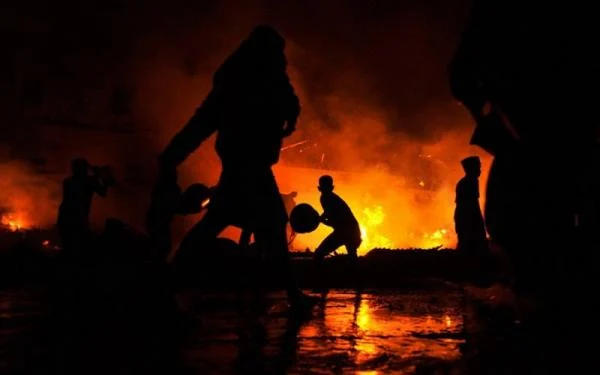
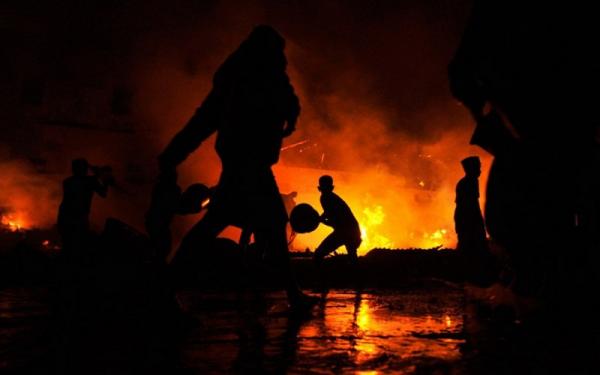
PT MRT Jakarta (Perseroda) has formally announced a comprehensive safety review and operational overhaul following a fire incident that occurred at the Blok M Hub on Monday, November 2, 2026. The fire, which originated in a commercial kiosk within the transit facility, has prompted the transit authority to re-evaluate its fire mitigation strategies and emergency response protocols to ensure the continued safety of thousands of daily commuters and facility personnel.
The incident has drawn significant attention due to the high-traffic nature of the Blok M Hub, a vital transit node connecting various modes of public transportation in South Jakarta. As the company moves toward the "Ultimate Phase" of its infrastructure development, the event serves as a critical test of the facility’s disaster management systems.
Chronology of the Incident
The emergency began on Monday, November 2, 2026, at approximately 14:24 WIB. Preliminary reports indicate that the fire broke out at the Cuanki Sadaya kiosk, located on the B1 level of the Blok M Hub. The location is a high-density area where passengers transition between MRT services, TransJakarta buses, and other local transit options.
Upon the detection of smoke and flames, the MRT Jakarta operational team, supported by on-site security and facility management personnel, immediately initiated emergency response procedures. The initial response involved the deployment of fire extinguishers (APAR) to contain the flames before they could spread to adjacent kiosks or critical station infrastructure.
Simultaneously, the station’s automated environmental control systems were activated, specifically the smoke extraction system. This measure was critical in preventing smoke inhalation among commuters in the vicinity and ensuring that the station’s air quality remained within safe levels during the evacuation and containment phase. By the time emergency responders arrived, the fire had been largely suppressed by on-site staff, preventing what could have been a far more catastrophic event given the subterranean nature of the station.
Official Response and Accountability
Rendy Primartantyo, Head of the Corporate Secretary Division at PT MRT Jakarta (Perseroda), issued a formal statement on Wednesday, November 4, 2026, expressing the company’s sincere apologies for the distress and inconvenience caused by the incident.
"MRT Jakarta extends our apologies for the discomfort caused by this incident and expresses our deepest concern for the employees of the affected kiosk," Rendy stated. He emphasized that the company is treating the incident with the utmost seriousness, viewing it as a catalyst to strengthen safety measures across all station hubs.
The official response outlines a three-pronged approach to address the incident:
- Safety Evaluation: A thorough audit of all kiosk electrical systems and fire-suppression mechanisms within the Blok M Hub and other transit stations.
- Enhanced Training: Strengthening the capacity and reaction time of the emergency response team through more frequent simulations and drills.
- Public Awareness: Increasing social engagement and safety communication with kiosk owners and operators regarding fire prevention and the proper handling of flammable materials or electrical equipment.
The company has reaffirmed that the safety of passengers, staff, and commercial partners remains their highest priority, pledging that the findings of the internal investigation will be used to update the standard operating procedures (SOPs) for the entire MRT network.
Broader Context: The Transformation of Blok M Hub
The incident occurs at a sensitive time for the Blok M area, which is currently undergoing a massive urban redesign. Earlier in October 2026, PT MRT Jakarta unveiled a comprehensive "Ultimate Phase" concept aimed at revitalizing the Blok M station area. This project seeks to integrate modern commercial spaces, improved pedestrian flow, and seamless multi-modal connectivity.
The current fire highlights the complexities of integrating commercial activities—such as food and beverage kiosks—into critical mass-transit infrastructure. As the area transitions into a transit-oriented development (TOD) hub, the density of commercial tenants is expected to increase. Consequently, the fire incident has raised questions about the fire-code compliance of such kiosks and whether the current infrastructure can support the increasing load of commercial appliances.

The "Ultimate Phase" plans include the introduction of five new concepts designed to maximize space and efficiency. With these advancements, the safety protocols must evolve in tandem to protect the projected increase in foot traffic, which is expected to rise as the city continues to incentivize public transit use.
Economic and Regulatory Implications
The incident also coincides with broader debates regarding the future of public transportation costs in Jakarta. With the government announcing scheduled increases in TransJakarta and TransJabodetabek tariffs for January 2027, and with the likelihood of MRT and Mikrotrans fare adjustments following suit, the public is increasingly sensitive to the quality and safety of service provided.
An incident of this nature can have a chilling effect on public confidence. For a transit network that prides itself on world-class service standards, ensuring that fire safety remains uncompromised is essential to maintaining the trust of daily commuters. Analysts suggest that the cost of these safety upgrades is a necessary expenditure to prevent the potential long-term damage that a major fire incident would inflict on the reputation and ridership of the MRT system.
Furthermore, the involvement of kiosk tenants brings the issue of commercial liability into focus. The management of the Blok M Hub must now balance the need for commercial revenue, which helps subsidize operations, with the rigorous fire-safety requirements that must be imposed on all small business operators within the station.
Fact-Based Analysis of Fire Prevention in Transit Hubs
From a structural engineering perspective, subterranean transit hubs present unique fire-safety challenges. The containment of heat, the management of toxic smoke, and the evacuation of passengers from underground platforms require highly specialized infrastructure.
The successful use of APAR and smoke extraction systems in this instance demonstrates that the current baseline safety measures are functional. However, the root cause—likely electrical in nature, given the typical setup of food kiosks—suggests that the preventative focus must shift toward:

- Electrical Load Management: Ensuring that the power grid within the station is not overloaded by commercial equipment.
- Regular Inspections: Implementing a more stringent inspection schedule for the electrical wiring of all leased commercial units.
- Automated Monitoring: Utilizing IoT-based sensors that can detect heat signatures or smoke at the kiosk level before a fire actually ignites.
Future Outlook and Strategic Adjustments
As the investigation into the Cuanki Sadaya kiosk fire concludes, the industry is watching to see how PT MRT Jakarta will translate its promises into policy. The company’s commitment to "strengthening the emergency response team" implies a likely increase in personnel training frequency and perhaps an investment in more advanced firefighting technology located directly on the platforms.
For the commuters, the event serves as a reminder of the importance of fire safety awareness. While the operator is responsible for the infrastructure, the collective safety of the hub also depends on the adherence of tenants and the vigilance of passengers.
In conclusion, the incident at Blok M Hub is a significant development for Jakarta’s public transport sector. While the damage was contained and there were no reports of major injuries, the strategic response from PT MRT Jakarta will set the tone for safety management in the coming years. By prioritizing the evaluation of kiosk safety and reinforcing emergency protocols, the company aims to ensure that the ongoing transformation of the Blok M area remains synonymous with safety and reliability, rather than the risks associated with rapid commercial development. The upcoming months will be critical as the company implements these corrective measures, with stakeholders and the public waiting for a report on the long-term changes to be integrated into the "Ultimate Phase" of the station’s operation.