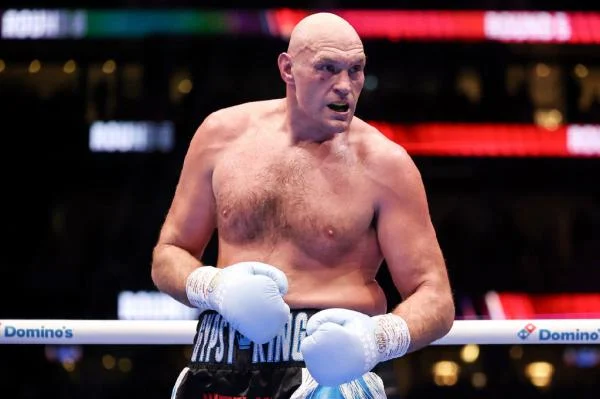
The long-awaited collision between British heavyweight titans Tyson Fury and Anthony Joshua continues to dominate the boxing landscape, with the latest development centering on the potential venue for their historic bout. Tyson Fury, the self-styled "Gypsy King," has publicly expressed a definitive preference for hosting the fight at Old Trafford, the iconic home of Manchester United. While the boxing world remains fixated on the logistics of a date currently set for December 11, 2026, at the Principality Stadium in Cardiff, Wales, Fury’s comments highlight the ongoing tension between fighter preference and the commercial realities of modern combat sports promotion.
The discourse surrounding this heavyweight superfight has spanned nearly a decade, surviving multiple promotional hurdles, regulatory changes, and shifts in the competitive landscape of the division. For fans and analysts alike, the prospect of Fury versus Joshua represents the ultimate "British Battle," a contest that has been described as the most significant domestic fight in the history of the sport.
The Venue Dilemma: Old Trafford Versus the World
In a recent interview with SPORTbible, Fury articulated his desire to bring boxing to the "Theatre of Dreams." Despite having headlined at major venues globally, including successful outings in Las Vegas and the historic Wembley Stadium in London, Fury maintains that Old Trafford holds a unique allure. "I would do it at Old Trafford," Fury stated. "I have never boxed there. If I had to pick one place, I would take Old Trafford over Wembley."
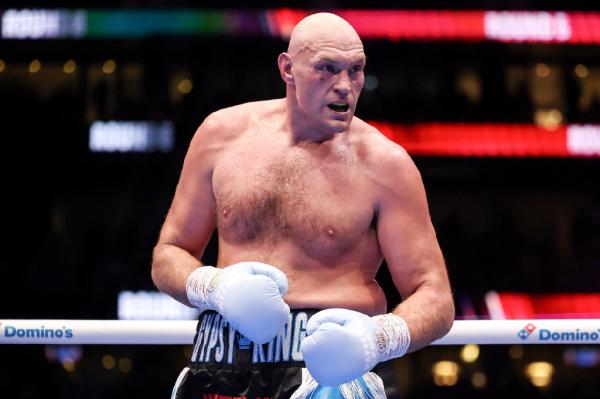
However, Fury’s admission that he lacks the final authority to dictate the venue underscores the multifaceted nature of high-stakes boxing negotiations. Promoters, broadcasters, and the logistical demands of international stadium management often take precedence over the personal preferences of the athletes. While Cardiff’s Principality Stadium remains the scheduled frontrunner—a venue known for its retractable roof and atmospheric intensity—the conversation surrounding Old Trafford has reignited debates about the cultural significance of holding such a monumental event in the North of England, the heartland of Fury’s upbringing.
A Chronology of a Never-Ending Negotiation
To understand the weight of this potential fight, one must look back at the protracted history of the two camps. The narrative began in earnest around 2018, shortly after Anthony Joshua unified multiple belts. Throughout 2019 and 2020, talks were frequently derailed by mandatory challenger requirements from various sanctioning bodies and the complications of the global pandemic.
- 2019-2020: Initial discussions gain traction but falter due to contractual obligations regarding rematches and mandatory title defenses.
- 2021: A formal two-fight deal is reportedly agreed upon, only to collapse following an arbitration ruling that required Fury to complete a trilogy fight against Deontay Wilder.
- 2023-2024: Both fighters navigate turbulent periods. Fury engages in high-profile cross-over events and undisputed title contention, while Joshua undergoes a technical resurgence under trainer Ben Davison.
- 2026: The focus shifts to the year-end showdown. The announcement of a December 11, 2026 date in Cardiff marks the most concrete progress in years, yet rumors of alternative locations—including Saudi Arabia, the United States, and now the Manchester United stadium—continue to circulate.
The Economic and Cultural Impact of the Superfight
The economic implications of a Fury vs. Joshua fight are staggering. Previous heavyweight unification bouts have generated hundreds of millions of dollars in pay-per-view revenue, gate receipts, and global sponsorships. Choosing between a stadium in Cardiff, a historic site in London, or a prestigious football ground like Old Trafford involves complex financial modeling.
Old Trafford, with its capacity exceeding 74,000, offers a formidable stage, but it also presents weather-related challenges for a winter fight in December, even with temporary covers. The Principality Stadium, conversely, offers a climate-controlled environment, which provides a level of certainty that promoters—who are sensitive to the risk of weather-related delays or poor conditions for fans—frequently prioritize.

Furthermore, the "home" advantage in this context is purely psychological. Both men have proven their ability to fight in hostile environments. However, for the British public, the location serves as a symbolic centerpiece. Bringing the fight to Manchester would represent a homecoming for Fury, who has consistently identified with the city, while London has historically been the primary hub for Joshua’s most significant successes.
The Retirement Narrative and Legacy
Adding to the gravity of this potential encounter is the looming shadow of retirement. Anthony Joshua has provided signals in recent months that his career is approaching its twilight. In interviews, he has acknowledged that a fight against Fury could very well be one of his final acts in the professional ring.
For Fury, the motivation appears to be rooted in cementing a legacy that transcends the belts. Having cleared the decks of most significant contenders in his era, a victory over Joshua would serve as the final chapter in a career defined by resilience and unpredictability. For Joshua, it is a chance to rectify past setbacks and prove his standing against the fighter who has been his primary rival since he turned professional.
Analytical Perspective: Can the Fight Deliver?
From a technical standpoint, the fight remains a compelling clash of styles. Fury’s unorthodox movement, range, and physical size contrast sharply with Joshua’s disciplined boxing fundamentals and explosive power. Analysts note that while Fury has demonstrated an uncanny ability to adapt to different fighters, Joshua’s evolution under his current coaching staff has made him a more methodical, patient operator.

The uncertainty of the venue, while frustrating for fans, is indicative of the "big fight" machine. Promoters often utilize public declarations about venues as bargaining chips or as a means of gauging public interest. Whether or not the fight ultimately lands at Old Trafford, the discourse confirms that the marketability of both athletes remains at an all-time high, regardless of the years that have passed since the fight was first proposed.
Broader Implications for the Heavyweight Division
The successful realization of this fight is critical for the health of the heavyweight division. In an era where fragmentation among sanctioning bodies has often diluted the meaning of championship belts, a fight of this magnitude acts as a unifying force. It draws casual viewers, boosts television ratings, and provides a clear definitive winner that the division has lacked for extended periods.
Furthermore, the logistical success of such an event—should it proceed in December 2026—will set a benchmark for future stadium fights in the UK. The industry is watching closely to see if the promoters can maintain the momentum needed to finalize the contracts and deliver a spectacle that justifies the years of speculation.
Conclusion
As the boxing world counts down to the December 2026 date, the focus remains on the interplay between the fighters’ desires and the practical limitations of event management. Tyson Fury’s outspoken preference for Old Trafford adds a layer of nostalgia and regional pride to the buildup, reflecting the deep-seated desire of the athletes to fight in venues that hold personal meaning. Whether the final contract ultimately points to Manchester, Cardiff, or an international venue, the necessity of the match itself is undisputed. Both Tyson Fury and Anthony Joshua are now in the final chapters of their storied careers, and the outcome of this potential encounter will be the defining metric by which their respective legacies are measured by historians and fans for generations to come. The industry now waits for the official confirmation, as the two giants of the ring move closer to settling their long-standing rivalry on the global stage.