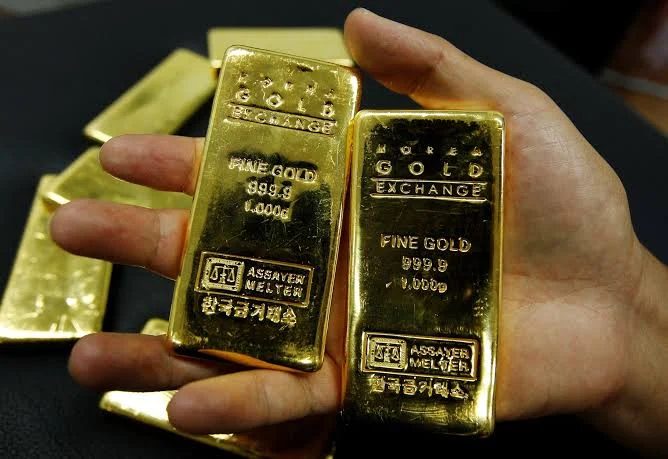
The appetite for physical gold in China reached a notable milestone in October 2026, as net imports through Hong Kong climbed to 76.194 metric tons. This figure represents a 1.6% increase from the 74.987 tons recorded in September, marking the highest volume of gold inflows through this critical trading hub since April 2026. This data, provided by the Hong Kong Census and Statistics Department, underscores the persistent demand for bullion in the world’s largest consumer market, as domestic investors continue to navigate a complex macroeconomic landscape characterized by volatile equity markets and a cooling real estate sector.
Total imports through Hong Kong also saw a parallel rise, moving from 94.096 tons in September to 95.646 tons in October. While these figures provide a vital snapshot of China’s gold consumption, they represent only a portion of the total bullion entering the mainland. Significant volumes also enter China directly through ports in Shanghai and Beijing, meaning the actual demand from the Chinese public and state institutions likely exceeds the numbers reported via the Hong Kong gateway.
The Macroeconomic Drivers of Gold Accumulation
The surge in demand is not merely a transient phenomenon but a reflection of deep-seated structural shifts within the Chinese economy. For years, the Chinese middle class relied heavily on real estate as their primary vehicle for wealth accumulation. However, following a protracted downturn in the property sector, households have been forced to reallocate capital into alternative assets. With the domestic stock market experiencing prolonged periods of stagnation and uncertainty, physical gold has emerged as the most reliable store of value.
Ole Hansen, Head of Commodity Strategy at Saxo Bank, emphasizes that the cultural and economic perception of gold in China differs significantly from Western markets. "During my observations of the Chinese market, it is clear that investors do not view gold merely as a tactical investment or a commodity play," Hansen noted in a recent commentary. "Instead, they treat gold as a functional currency—a hedge against the devaluation of fiat instruments and a permanent fixture in their long-term wealth preservation strategies."
A Chronology of China’s Bullion Buying Spree
To understand the scale of current activity, one must look back at the trajectory of the Chinese gold market throughout 2026. The year began with a steady accumulation phase as the People’s Bank of China (PBOC) signaled a strategic move to diversify foreign exchange reserves away from traditional dollar-denominated assets.
- Q1 2026: China intensified its official gold buying, sparking global market attention. Reports indicated that Beijing was aggressively adding to its central bank reserves to insulate the national economy from geopolitical tensions and currency fluctuations.
- Q2 2026: Prices fluctuated, creating entry points for retail investors. Imports through Hong Kong remained consistent, showing that consumer demand remained resilient even as price volatility increased.
- Q3 2026: A slight cooling period was observed in late summer as gold prices hit record highs, prompting some profit-taking among retail investors. However, the subsequent price correction in late September provided the necessary catalyst for the October rebound.
- October 2026: The current reporting period shows a renewed vigor in buying, as the 1.6% month-on-month growth confirms that investors are eager to "buy the dip" whenever prices pull back from historical peaks.
Market Dynamics and Investor Sentiment
The reliance on gold as a hedge is further supported by the current interest rate environment. In an era where global central banks have struggled to balance inflation with economic growth, the real return on cash and traditional bonds has been eroded. For the Chinese investor, the opportunity cost of holding non-yielding gold is outweighed by the psychological and financial security the metal provides.
Data from the World Gold Council and other trade monitors suggests that the demand is not restricted to retail jewelry, though that remains a strong pillar. There has been a marked increase in the purchase of gold bars and coins, reflecting a transition toward investment-grade bullion. This shift indicates that the average Chinese consumer is becoming increasingly sophisticated in their asset allocation, viewing gold as a long-term insurance policy against systemic economic risks.
Implications for Global Gold Markets
China’s sustained appetite for gold has significant implications for the global supply-demand balance. As the primary price-setter for physical bullion, China’s influence on the London Bullion Market Association (LBMA) prices and COMEX futures is profound. When Beijing and its citizens enter the market in force, they provide a "floor" for gold prices that often prevents significant downward pressure, regardless of the strength of the U.S. Dollar or rising Treasury yields.
Analysts at major financial institutions have noted that as long as the Chinese economy faces structural headwinds, the demand for gold is unlikely to subside. If the PBOC continues its trend of diversifying reserves, and if retail investors continue to view the property market with caution, the volume of imports is likely to remain elevated throughout the remainder of 2026 and into 2027.
Regulatory and Logistical Context
It is important to note that the figures released by Hong Kong serve as a "proxy" for mainland demand. The trade route between Hong Kong and the mainland is highly regulated, often subject to import quotas issued by the People’s Bank of China. These quotas are frequently adjusted based on domestic gold supply and the government’s desire to manage currency outflows.
The fact that these quotas have allowed for an increase in net imports in October suggests that authorities are currently comfortable with the level of bullion flowing into the country. This may be a calculated effort to satisfy domestic demand, thereby curbing speculative pressure on other asset classes, or a broader strategy to increase the circulation of gold within the domestic financial system.
Fact-Based Analysis of Future Trends
Looking ahead, several factors will dictate the pace of China’s gold intake:
- Currency Stability: If the Renminbi (RMB) remains under pressure against the U.S. Dollar, domestic demand for gold will likely increase as a means of hedging against currency depreciation.
- Central Bank Transparency: Increased transparency regarding the PBOC’s total gold holdings will continue to be a subject of intense global scrutiny. Any sudden announcements regarding reserve accumulation typically trigger immediate spikes in global spot prices.
- Alternative Investment Vehicles: If the Chinese government introduces new, high-yield financial products or succeeds in stabilizing the real estate market, gold demand may moderate. However, current indicators suggest that structural reforms in these areas will take years to bear fruit, leaving gold as the preferred safe haven for the foreseeable future.
Conclusion
The October 2026 data serves as a clear indicator of the enduring fascination with, and necessity of, gold within the Chinese economic engine. With net imports reaching 76.194 tons, the message from the market is one of caution and prudence. As global investors monitor these flows, it is evident that China’s role in the gold market is evolving from that of a traditional consumer to that of a strategic stabilizer.
Whether the trend continues at this pace depends on a multitude of variables, including global interest rate policies, geopolitical stability, and the success of domestic economic stimulus packages. Nevertheless, the recent figures confirm that for the Chinese investor, gold remains the ultimate anchor in a sea of economic uncertainty. The gold market, therefore, remains tightly tethered to the heartbeat of the Chinese economy, making every monthly import report a critical indicator for global traders and policymakers alike. As the year draws to a close, all eyes will be on whether the November and December data continue to show this upward momentum or if the market enters a period of consolidation.