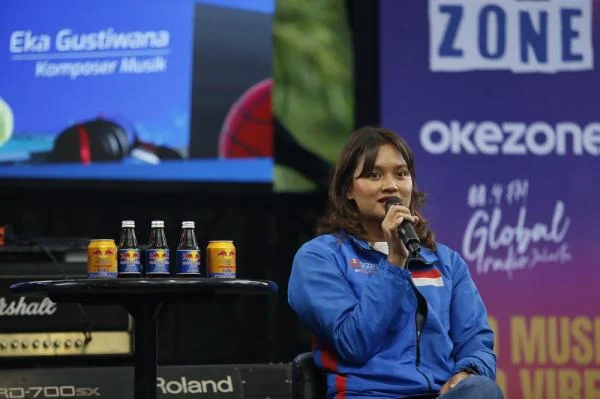
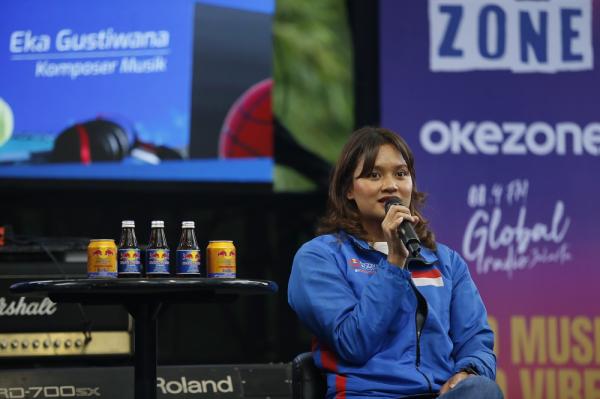
The journey of an elite athlete is rarely a straight line, often defined by the intersection of familial expectations and individual passion. For Sofie Kemala Fatiha, a distinguished figure in the Indonesian swimming landscape and a finalist in the Red Bull Power Race International, this intersection manifested as a pivotal choice between the track and the pool. Speaking during the Genzone Talks session at the iNews Campus Connect (ICC) event held at the University of Indonesia’s Vocational School in Depok on November 25, 2026, Sofie detailed the challenges and triumphs of carving her own path as a professional swimmer and coach.
The Divergence from Familial Tradition
In many athletic families, the transmission of a specific sport from parent to child is common. Sofie’s household was no exception. Her mother, an accomplished track and field athlete, naturally envisioned a future where her daughter would excel on the running track. The pressure to follow in such footsteps is a well-documented phenomenon in sports psychology, often creating a tension between parental legacy and the child’s autonomy.
"My mother was an athlete, specifically a runner. Naturally, my parents initially envisioned me following in her footsteps to become a track athlete," Sofie shared during her presentation. However, Sofie’s inclination gravitated toward the water. Her decision to pursue swimming, despite the lack of direct familial experience in the sport, serves as a testament to the importance of early individual agency in athletic development.
Chronology of an Athletic Trajectory
Sofie’s career did not begin on a grand stage but in the quiet discipline of early childhood training. Her commitment to swimming began at the tender age of six. While many children explore various extracurricular activities, Sofie displayed a singular focus on aquatic sports.
The chronology of her development follows a classic trajectory of elite sports progression:
- Age 6: Initial introduction to the sport and foundational water safety and stroke mechanics.
- Age 11: The transition from recreational swimming to competitive racing, marking her formal entry into the regional competition circuit.
- Adolescence: Escalation of training intensity, transitioning from club-level swimming to regional and national development programs.
- Adulthood: Achieving status within the Pelatnas (National Training Center), representing the pinnacle of domestic preparation for international competition.
This timeline highlights the decade-long dedication required to reach the caliber of a national-level athlete. Her inclusion as a finalist in the Red Bull Power Race International is the culmination of years of technical refinement and physiological conditioning.
The Role of National Training Centers (Pelatnas)
Sofie’s progression into the Pelatnas system is a significant achievement in the Indonesian sports landscape. The Pelatnas acts as the engine room for the nation’s athletic success, providing high-performance infrastructure, specialized coaching, and scientific support systems that are otherwise inaccessible to club-level athletes.
For a swimmer, the transition to Pelatnas involves more than just physical talent; it requires a psychological commitment to a lifestyle defined by strict dietary management, rigorous recovery protocols, and high-frequency training blocks. By participating in these programs, Sofie has transitioned from an athlete who merely competes to one who understands the structural complexities of elite performance.
Dual Roles: Athlete and Coach
A particularly compelling aspect of Sofie’s career is her dual professional identity as both a competitive swimmer and a coach. This shift is becoming increasingly common among top-tier athletes who recognize the importance of sustainability in their career paths. By coaching, athletes like Sofie not only contribute to the development of the next generation of talent but also gain a deeper analytical understanding of their own performance.

In the context of the Indonesian swimming community, which has seen both high-profile successes and tragic losses—such as the recent, widely reported death of a diving athlete during provincial championships—the role of knowledgeable, well-trained coaches is more critical than ever. Coaches are now expected to be well-versed in sports medicine, hydration management, and injury prevention, areas that Sofie’s dual role allows her to integrate into her training philosophy.
Contextualizing the Broader Sports Ecosystem
The iNews Campus Connect (ICC) event, where Sofie spoke, serves as a bridge between the academic community and the professional sports sector. In Indonesia, the integration of sports into the higher education framework is an ongoing initiative aimed at ensuring athletes have academic qualifications to fall back on.
The environment in which Sofie operates is currently focused on the lead-up to the 2026 Beach PON (National Sports Week). With the Jakarta provincial government targeting the overall championship title and mobilizing a contingent of 133 athletes, the pressure on individual performers to maintain peak condition is at an all-time high. The infrastructure supporting these athletes—from the sports ministry’s funding to private sector sponsorships—creates an ecosystem where individual stories like Sofie’s can thrive.
Analyzing the Implications of Athletic Autonomy
The narrative of Sofie Kemala Fatiha offers valuable insights into the changing nature of youth sports in Southeast Asia. Firstly, it underscores the decline of the "pushed legacy" model in favor of child-led interests. Research in sports sociology indicates that children who select their own sports are significantly more likely to persist through the "dropout years"—the period between the ages of 13 and 16 when many athletes quit due to burnout or lack of intrinsic motivation.
Secondly, the rise of specialized athletic paths in unconventional sports (relative to family history) indicates a more diverse sporting culture. As Indonesia continues to invest in specialized facilities and coaching education, the depth of talent across various disciplines—from swimming to athletics to team sports—is expected to increase.

Future Prospects and Professional Impact
As Sofie continues her journey, her impact extends beyond the scoreboard. By engaging with students at the University of Indonesia, she is positioning herself as a mentor, advocating for the feasibility of balancing high-level professional sports with personal and academic growth.
Her transition into coaching suggests that she is invested in the long-term health of the sport. The challenges faced by the swimming community—ranging from high maintenance costs of facilities to the need for better emergency protocols during competition—are areas where informed practitioners like Sofie can drive policy change.
Conclusion
Sofie Kemala Fatiha’s path from a young swimmer choosing her own direction to a national-level athlete and mentor is a reflection of the evolving landscape of Indonesian sports. Her story is not merely one of personal triumph, but a case study in the importance of autonomy, the rigor of the Pelatnas system, and the emerging role of the athlete-coach in modern sports management. As the nation gears up for major upcoming events like the 2026 Beach PON, the presence of dedicated, multifaceted professionals like Sofie ensures that the future of the sport remains in capable, experienced hands. Her trajectory remains a source of inspiration for a generation of young Indonesians navigating their own paths through the competitive world of elite athletics.