The integrity of a vehicle’s engine compartment relies heavily on a complex network of rubber hoses that facilitate the flow of critical fluids and gases. While many vehicle owners prioritize oil changes and tire rotations, the health of cooling, fuel, and vacuum hoses often remains overlooked until a catastrophic failure occurs. Despite their external appearance of durability, engine hoses are subjected to a brutal environment of extreme thermal cycling, constant mechanical vibration, chemical exposure, and high-pressure fluctuations. Modern automotive engineering has made significant strides in material science, yet these components remain a primary point of failure for vehicles exceeding five to seven years of age.
The Anatomy of Failure: Beyond Surface Appearances
A common misconception among motorists is that if a hose appears smooth, black, and intact on the exterior, it remains in optimal working condition. However, automotive experts and mechanical engineers emphasize that rubber hoses degrade from the inside out. The process, known as "electrochemical degradation," occurs when the chemical composition of the coolant or the internal temperature of the fluid causes the inner liner of the rubber to harden or crack.
This internal deterioration is often invisible to the naked eye. As the inner lining breaks down, small particles of rubber can break off and circulate through the cooling system, potentially clogging the radiator or heater core. Furthermore, as the inner layer loses its structural integrity, the reinforcement fabric—typically polyester or aramid—becomes exposed to the corrosive fluid. Once the fabric is compromised, the hose loses its burst strength, making it susceptible to rupture under the pressure of a fully warmed engine.
Chronology of Component Stress
To understand why these components require proactive maintenance, one must look at the lifecycle of a hose within a modern internal combustion engine:
- Initial Installation (Years 0–3): The rubber is supple and retains its elasticity. Polymers are at their peak performance, effectively sealing connections against high-pressure coolant or fuel.
- Thermal Fatigue (Years 3–5): The engine undergoes thousands of heat cycles—heating up to operating temperature and cooling down to ambient levels. This expansion and contraction cause the rubber to lose its plasticizers, the chemicals that keep the material flexible.
- Chemical Exposure (Years 5–7): Over time, the constant contact with coolant additives (which may become acidic over time) or fuel vapors begins to leach the protective properties from the rubber.
- Structural Breakdown (Year 7+): The hose becomes brittle. The "clamping zone," where the hose meets the metal fitting, is often the first area to show signs of seepage, as the rubber loses its ability to exert counter-pressure against the clamp.
Supporting Data and Statistical Risk
According to data from automotive service industry reports, cooling system failures—of which burst hoses are a leading cause—consistently rank among the top five reasons for vehicle breakdowns on the road. A survey conducted by the Automotive Maintenance and Repair Association (AMRA) suggests that approximately 25% of vehicles older than eight years show signs of significant hose degradation that owners are unaware of until a failure occurs.
In terms of cost, the disparity between preventative maintenance and emergency repair is substantial. A radiator hose replacement is typically an inexpensive service, often costing between $150 and $300 depending on the vehicle model. Conversely, if a hose bursts while driving at highway speeds, the immediate loss of coolant leads to rapid engine overheating. This can result in a warped cylinder head, blown head gasket, or total engine seizure—repairs that often exceed $2,000 to $4,000, or in severe cases, the total loss of the engine block.
Technical Perspectives on Material Science
The industry has moved toward using Ethylene Propylene Diene Monomer (EPDM) rubber for most cooling system hoses due to its superior resistance to heat, ozone, and weathering. However, even EPDM has a finite lifespan. In a statement regarding vehicle maintenance standards, a senior lead engineer at a major automotive manufacturer noted: "Drivers often treat hoses as permanent fixtures. In reality, they are consumables. The combination of under-hood temperatures reaching upwards of 120 degrees Celsius and the constant pulsing of pressurized systems creates a fatigue environment that no rubber compound can resist indefinitely."

Furthermore, the introduction of bio-fuels and ethanol blends has introduced new variables in fuel hose degradation. Ethanol, while an efficient fuel additive, is more solvent-aggressive than pure gasoline, necessitating the use of specialized fluorocarbon liners in modern fuel systems. If a vehicle is not specifically rated for certain fuel blends, the standard rubber hoses can swell, soften, and eventually leak, creating a significant fire hazard within the engine bay.
Identifying the Silent Warning Signs
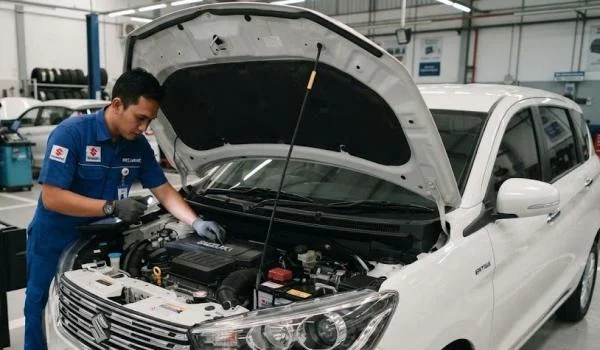
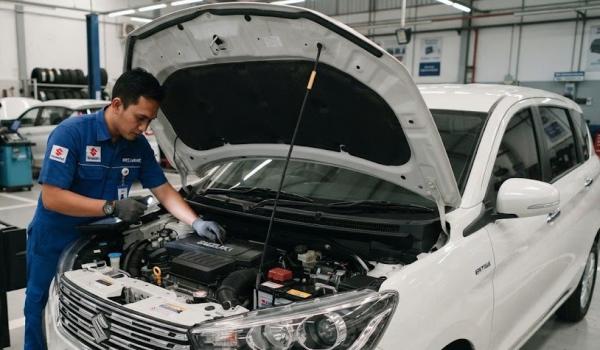
While internal damage is difficult to detect, professional mechanics suggest a multi-point inspection process that goes beyond a casual glance. Key indicators that a hose is nearing the end of its service life include:
- Tactile Hardening: A hose should feel slightly pliable when squeezed. If it feels hard, "crunchy," or brittle, the plasticizers have been completely lost, and the hose is at high risk of cracking.
- Localized Swelling: Areas of the hose that feel mushy or appear slightly larger than the rest of the diameter indicate that the inner liner has collapsed and fluid is forcing its way between the layers of the hose.
- The "Pinched" Clamp Zone: If the area directly under the hose clamp shows deep indentations or signs of "weeping" (a faint crystalline deposit or wetness), the seal is failing.
- Discoloration: While some fading is normal due to engine heat, excessive whitening or cracking on the surface is a definitive sign of ozone degradation.
Broader Implications and Maintenance Best Practices
The automotive industry is trending toward longer service intervals, but this does not exempt components from the laws of physics. Many modern vehicles now feature "sealed for life" cooling systems, which may lead owners to believe that the hoses require no attention. This is a dangerous fallacy.
For vehicle owners, the most effective strategy is the implementation of a "time-and-mileage" inspection schedule. Experts recommend that by the time a vehicle reaches 60,000 miles or five years of service, a thorough inspection of all cooling and fuel lines should be conducted by a qualified technician. If a vehicle has reached the 100,000-mile mark, many manufacturers recommend a comprehensive replacement of all rubber hoses as a preventative measure, regardless of their current appearance.

The Role of Professional Diagnostics
Modern diagnostic tools have evolved to assist in this process. Pressure testing, which involves applying a controlled amount of air or fluid pressure to the cooling system while the engine is cold, can often reveal micro-leaks that would not be visible during a standard idle check. Additionally, UV-reactive dyes can be added to cooling systems to highlight even the smallest seepage points, allowing technicians to identify hoses that are "weeping" before they develop into full-scale ruptures.
Conclusion: A Shift in Ownership Mindset
The transition from a "reactive" to a "proactive" maintenance mindset is essential for the longevity of any vehicle. While the complexity of modern engines can be intimidating, the basic mechanical principles remain unchanged. A vehicle’s engine is a high-pressure, high-temperature environment that demands the integrity of its peripheral components.
By acknowledging that engine hoses are not indefinite components, but rather parts with a predictable decline, owners can mitigate the risk of roadside breakdowns and costly engine repairs. Regularly inspecting these silent workhorses—and replacing them when they show the inevitable signs of age—is not merely a suggestion, but a fundamental pillar of responsible vehicle ownership. As the industry continues to evolve, the focus on preventative maintenance will remain the most effective tool in extending the life and reliability of the modern automobile.