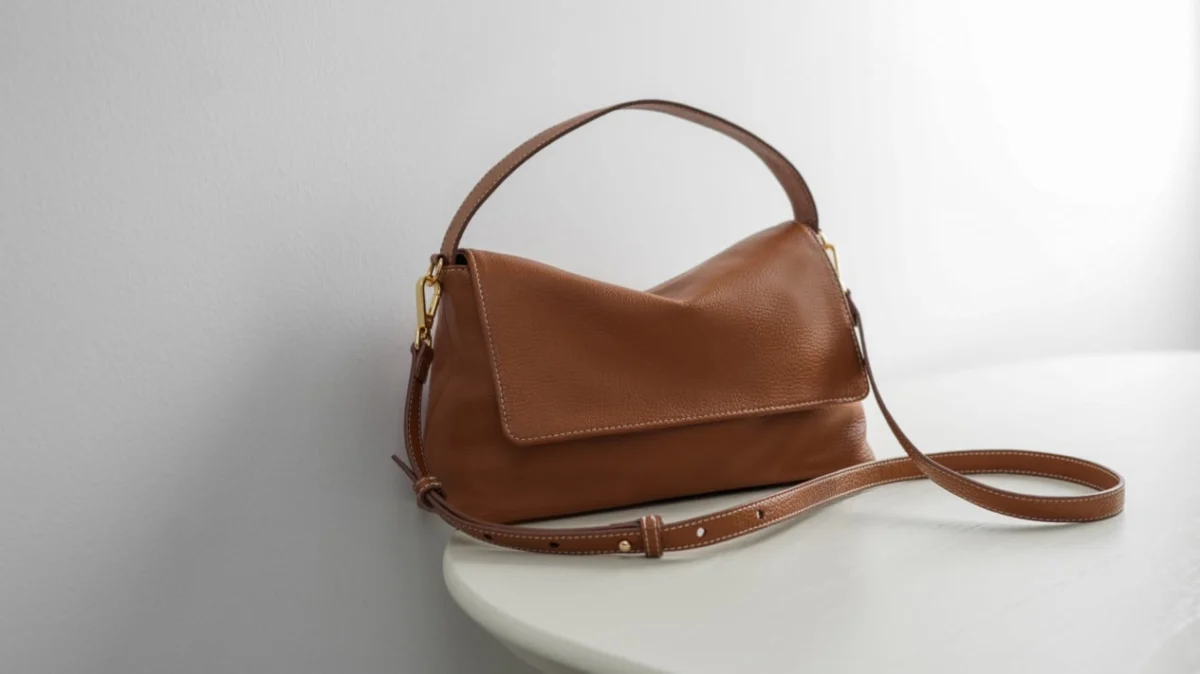
In the rapidly evolving landscape of modern urban life, accessories have long transcended their traditional roles as mere supplementary items to become critical functional components of daily existence. Among these, the handbag has undergone a significant paradigm shift. No longer viewed simply as a seasonal statement piece or an isolated fashion whim, the modern handbag is increasingly evaluated through the rigorous lens of utility, adaptability, and ergonomic efficiency. As urban dwellers navigate increasingly complex schedules that seamlessly blend professional commitments, social engagements, and spontaneous leisure activities, the demand for versatile accessories has surged to unprecedented levels. Recent lifestyle and retail analyses from major metropolitan hubs indicate a definitive pivot away from single-purpose luxury items toward hybrid accessories capable of transitioning effortlessly across diverse environments. This structural shift in consumer behavior reflects a broader cultural movement prioritizing efficiency, minimalism, and intentional living. In response to this dynamic, designers and leather goods artisans are redefining the parameters of contemporary bag design, focusing on structural flexibility, intelligent interior architecture, and timeless aesthetic restraint.
The Evolution of Urban Mobility and Accessory Demands
The contemporary socioeconomic landscape, particularly across bustling urban centers worldwide, is characterized by relentless motion. Professionals, entrepreneurs, and creatives alike find themselves traversing multiple physical and social environments within a single day. A typical morning commute might involve a high-stakes corporate presentation, followed by a midday networking lunch, an afternoon of collaborative fieldwork, and an impromptu evening dinner or cultural event. Historically, navigating such a multifaceted itinerary required individuals—particularly women with high urban mobility—to either compromise on their daily essentials or resort to carrying multiple bags to suit shifting dress codes and spatial requirements.
This cumbersome approach to daily transit has become increasingly obsolete. The contemporary lifestyle demands an accessory that acts as a chameleon, adapting fluidly to changing contextual backdrops without sacrificing aesthetic integrity or structural durability. Industry observers note that the modern consumer is no longer willing to trade style for substance. Consequently, the concept of the multi-functional bag has evolved from a niche market offering into an essential category within contemporary leather goods and accessories. This evolution is deeply intertwined with broader psychological shifts toward decluttering and intentional consumption, where every item integrated into a daily wardrobe must justify its utility and spatial footprint.
Practicality as the Cornerstone of Modern Wardrobe Architecture
At the heart of the growing preference for multi-functional accessories lies the fundamental principle of practicality. High mobility necessitates a streamlined approach to personal belongings. When an individual can rely on a single, well-designed bag to transition from a formal boardroom setting to a relaxed social gathering, the cognitive load associated with daily preparation is significantly reduced. This reduction in daily friction aligns closely with contemporary wellness and productivity paradigms, which advocate for the elimination of unnecessary micro-decisions.
Furthermore, the design philosophy underpinning these versatile accessories emphasizes universal adaptability. By stripping away hyper-specific stylistic tropes that tie an item to a single micro-trend, contemporary designers create silhouettes that harmonize with a broad spectrum of sartorial choices. Whether paired with tailored professional suiting, smart-casual separates, or relaxed weekend wear, a well-executed multi-functional bag bridges the gap between disparate aesthetic categories. This versatility not only enhances the wearer’s daily convenience but also promotes a more sustainable approach to personal styling, encouraging individuals to invest in fewer, higher-quality pieces that serve multiple purposes over extended periods.
Dynamic Adaptability Through Innovative Engineering
One of the defining characteristics of advanced multi-functional bag design is the integration of adaptable structural features that allow the accessory to alter its form factor and carrying mode in a matter of seconds. Among the most prominent engineering solutions driving this trend is the implementation of convertible strap systems. Traditional handbags are often restricted by fixed handles or rigid strap lengths, limiting their ergonomic deployment. In contrast, modern versatile designs frequently incorporate detachable, adjustable, and multi-positional straps crafted from reinforced leather or premium hardware.
This modularity empowers the user to transform a structured handbag into a sleek crossbody bag or an effortless shoulder carrier depending on immediate physical requirements. For instance, when navigating crowded public transportation or walking extensive distances between appointments, deploying a secure crossbody configuration distributes weight evenly and keeps hands entirely free, thereby minimizing physical strain and maximizing personal safety. Conversely, when stepping into a formal corporate environment or an upscale evening venue, detaching or shortening the strap converts the piece into an elegant top-handle bag or sophisticated clutch. This seamless transition between operational modes highlights the sophisticated engineering required to reconcile high fashion aesthetics with utilitarian demands.
Interior Architecture and the Science of Spatial Organization
While exterior aesthetics often capture initial consumer interest, the true litmus test of a multi-functional bag’s enduring value lies within its interior architecture. The modern professional carries a diverse array of delicate and essential items—ranging from smartphones, wallets, and cosmetics to keys, notebooks, and small electronic devices. Without sophisticated internal organization, a bag quickly descends into a chaotic repository where finding a specific item requires frustrating excavation.
To address this challenge, contemporary designers employ advanced compartmentalization strategies, most notably the dual-compartment layout. By dividing the main interior cavity into two or more distinct, structured sections, users can logically segregate their belongings based on frequency of use or categorization. For example, professional documents and digital devices can be housed securely in one compartment, while personal items and valuables remain easily accessible in another. This spatial discipline is further enhanced by the strategic integration of specialized slip pockets, secure zippered compartments, and dedicated card slots. These architectural elements not only protect sensitive items from scratching and impact but also optimize the bag’s volumetric capacity, ensuring that it maintains a streamlined exterior profile even when fully loaded.
Material Integrity and the Longevity of Leather Craftsmanship
In the realm of high-end accessories, material selection remains the definitive determinant of an item’s character, durability, and perceived value. While synthetic alternatives and coated fabrics have carved out market segments based on specific performance attributes, genuine leather—particularly full-grain leather—continues to set the benchmark for luxury and longevity. Full-grain leather retains the entire natural grain of the hide, encompassing all its natural markings and unique textural nuances, which are subsequently enhanced through specialized tanning and finishing processes.
The employment of full-grain leather in multi-functional bag design yields profound implications for product lifecycles. Unlike corrected-grain or split leathers that degrade under sustained mechanical stress and environmental exposure, full-grain leather develops a rich, individualized patina over time. As the bag is subjected to the rigors of daily use, handling, and varying weather conditions, its exterior surface evolves, reflecting the unique journey and lifestyle of its owner. This aging process transforms the accessory from a static consumer good into a deeply personal artifact. Furthermore, the inherent tensile strength and structural resilience of full-grain hides provide the necessary rigidity to support complex internal compartments and convertible hardware systems without compromising the integrity of the bag’s silhouette.
Aesthetic Minimalism and the Power of Clean Lines
In parallel with the demand for functional versatility, the global fashion landscape continues to be heavily influenced by the tenets of minimalism. Characterized by a deliberate reduction of superfluous ornamentation, clean lines, and a restrained color palette, minimalist design philosophy posits that true elegance emanates from architectural purity rather than decorative excess. This design ethos aligns perfectly with the multi-functional accessory movement.
When a bag must serve across multiple contexts—from professional boardrooms to casual weekend settings—it cannot be dominated by loud branding, excessive hardware, or transient stylistic gimmicks. Instead, contemporary minimalist design relies on sculptural precision, flawless edge-painting, and immaculate stitching to create a visually serene object. Subtle metallic accents, such as understated gold- or palladium-plated hardware, are deployed sparingly to provide a refined touch of contrast without overwhelming the overall composition. This understated approach ensures that the accessory remains perpetually relevant, resisting the rapid obsolescence dictated by seasonal fashion cycles and cementing its status as an enduring wardrobe staple.
Consumer Insights and Market Implications
Market research tracking the accessories sector underscores a profound structural transformation in purchasing patterns among high-mobility consumers, particularly urban professional women. Data compiled by retail analysts over recent quarters reveals a double-digit growth trajectory in the "hybrid utility" accessory segment. Consumers are increasingly allocating larger portions of their discretionary spending budgets toward versatile, high-durability items rather than accumulating high volumes of fast-fashion alternatives.
This shift has forced legacy leather goods houses and emerging independent labels alike to reevaluate their product development pipelines. Brand strategies now emphasize transparency regarding material sourcing, ethical manufacturing practices, and structural modularity. Focus groups and consumer feedback mechanisms consistently highlight that modern buyers view multi-functional accessories not merely as a stylistic choice, but as a practical investment in personal efficiency. Consequently, marketing narratives have pivoted away from ephemeral trends toward emphasizing craftsmanship, ergonomic testing, and multi-contextual utility.
Expert Perspectives on Modern Accessory Design
Renowned industrial designers and fashion theorists frequently point to the intersection of utility and aesthetics as the ultimate challenge in contemporary accessory creation. According to design analysts specializing in leather goods, achieving true multi-functionality without sacrificing visual grace requires an extraordinary level of restraint and technical precision.
"The modern consumer’s life is inherently fragmented yet fluid," notes a prominent London-based accessories design consultant. "An accessory can no longer afford to be a one-dimensional object. It must be an intelligent companion that understands the physical and social demands placed upon the wearer. When you successfully integrate modular strap systems and intuitive spatial organization into a minimalist leather silhouette, you create an object of enduring utility that genuinely simplifies human movement through the urban environment."
Furthermore, manufacturing experts emphasize that the production of these sophisticated items demands rigorous quality control. The stress points where convertible straps attach to the main body, the smoothness of internal zipper tracks, and the structural integrity of dual-compartment partitions all represent engineering vulnerabilities that must be rigorously tested during the prototyping phase. Brands that successfully master these technical hurdles secure sustained brand loyalty and establish a formidable competitive advantage in an increasingly saturated marketplace.
Broader Socioeconomic Impact and the Future of Sustainable Fashion
The ascendance of the multi-functional, high-durability bag carries significant implications for the broader discourse surrounding sustainable fashion and circular economies. For decades, the accessories industry has been heavily criticized for contributing to a linear "take-make-dispose" consumer model, fueled by rapid trend cycles and low-quality synthetic materials that contribute to mounting landfill waste.
By championing accessories built around timeless minimalist aesthetics, robust full-grain leather construction, and versatile operational configurations, the industry takes a meaningful step toward mitigating this environmental burden. When a single bag successfully replaces three or four single-use alternatives, the aggregate demand for raw materials, manufacturing energy, and logistical transportation is substantially curtailed. Furthermore, the inherent longevity of high-grade leather products encourages a culture of repair, maintenance, and long-term ownership, directly challenging the disposable ethos of fast fashion.
Looking toward the future, industry prognosticators anticipate that the integration of smart-utility design principles will only accelerate. As urban environments continue to densify and personal schedules grow increasingly complex, the demand for accessories that optimize space, time, and physical comfort will remain paramount. The evolution of the modern handbag from a decorative adjunct into an engineered tool of urban mobility represents a permanent realignment of priorities—one where elegance and efficiency converge in enduring harmony.