Domestic cats are frequently misunderstood in the context of human-animal interaction, often labeled as aloof or indifferent compared to their canine counterparts. However, ethological studies and clinical observations in veterinary medicine suggest that the feline bond with humans is complex, nuanced, and deeply rooted in social communication strategies evolved over thousands of years of domestication. While dogs have been selectively bred to exhibit overt displays of affection, cats retain the behavioral repertoire of solitary hunters, making their expressions of trust and intimacy more subtle and often overlooked by owners.
Historical Context and Evolutionary Biology
The domestic cat (Felis catus) traces its lineage to the Near Eastern wildcat (Felis lybica). Unlike dogs, which were domesticated for cooperative labor, the evolution of the cat-human relationship is categorized as "commensal." Early feline-human interactions were likely based on mutual benefit: humans provided protection and grain stores, which attracted rodents, providing a steady food source for cats. This history of "self-domestication" means that cats have maintained a higher degree of autonomy than other domestic animals.
Research published in the Journal of Veterinary Behavior indicates that feline social structures are highly flexible. When a cat chooses to integrate a human into its social group, it applies a range of behaviors typically reserved for colony members or conspecifics. Recognizing these signals requires an understanding of feline body language, which relies heavily on ear positioning, tail movement, and vocalization patterns.
The Behavioral Spectrum of Feline Trust
To determine whether a cat views a human as a trusted companion or a primary caregiver, one must observe a variety of behavioral indicators that occur within the domestic environment. These signals are not isolated incidents but rather a cumulative language of security.
1. The Slow Blink and Ocular Communication
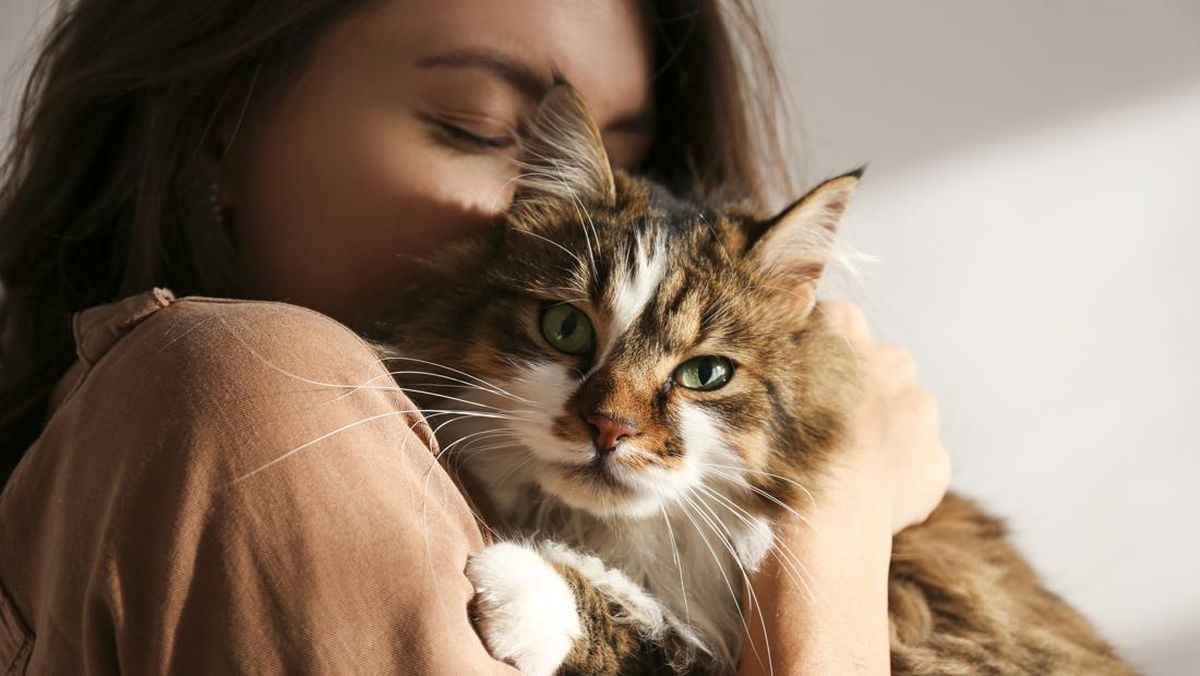
The "slow blink" is perhaps the most documented sign of feline comfort. In the wild, staring is a predatory behavior or a sign of aggression. By closing their eyes or blinking slowly, a cat signals that it does not perceive the human as a threat. A 2020 study by researchers at the University of Sussex demonstrated that cats are significantly more likely to approach a human who engages in slow blinking, suggesting that this behavioral mimicry facilitates positive reinforcement.
2. Olfactory Marking and Head Bunting
Cats possess specialized scent glands located on their cheeks, lips, forehead, and chin. When a cat engages in "bunting"—the act of rubbing its head or body against a human—it is performing a social grooming ritual. This behavior serves to exchange pheromones, effectively "marking" the human as a member of the cat’s trusted social circle. It is an act of claim and inclusion, rather than simple attention-seeking.
3. Vulnerability and Sleep Positioning
Felines are vulnerable during sleep. Choosing to sleep in proximity to a human is a high-level indicator of trust. When a cat selects a lap, a bed, or a spot immediately adjacent to an owner, it is delegating the responsibility of environmental surveillance to the human. This behavior signifies that the cat feels sufficiently safe to lower its vigilance.
4. The Anatomy of Kneading
Often referred to as "making biscuits," kneading is a rhythmic pushing motion with the front paws. This behavior originates in kittenhood, as nursing kittens knead their mother to stimulate milk production. When an adult cat performs this on a human, it is an involuntary expression of deep contentment and a regression to a state of infantile security.
5. Social Grooming and Physical Proximity
While cats are fastidious self-groomers, they also engage in allogrooming—the act of grooming another individual. If a cat licks a human’s skin or hair, it is an extension of maternal bonding. This behavior helps establish a group scent and strengthens social cohesion within the household.
Data and Clinical Implications
Veterinarians often use these behavioral markers to assess the stress levels of cats in clinical settings. A cat that displays signs of affection, such as head-bunting or slow blinking toward staff, is generally considered to be experiencing lower levels of physiological stress. According to data from the American Association of Feline Practitioners (AAFP), understanding these cues is essential for improving animal welfare and reducing the incidence of stress-related illnesses, such as feline idiopathic cystitis.
The impact of these behaviors extends to human health as well. Several studies have suggested that interacting with a purring cat can lower human blood pressure and decrease cortisol levels. The rhythmic sound of purring—often occurring between 25 and 150 Hertz—has been associated with therapeutic benefits for bone density and muscle healing, though the primary function of purring remains a sign of contentment or a self-soothing mechanism during injury or stress.
Chronology of Feline Socialization
The development of these behaviors is largely influenced by the "socialization window," typically occurring between two and seven weeks of age. During this period, kittens learn to associate human presence with safety and positive outcomes. However, research into adult cat behavior shows that even cats that are not socialized during this critical window can develop deep bonds with humans through consistent, non-threatening interaction.
A timeline of typical bonding involves:
- Initial Period: The cat assesses the environment and the human’s predictability.
- Intermediate Period: The cat begins to initiate physical contact (bunting or sitting nearby).
- Advanced Bonding: The cat engages in "high-trust" behaviors, such as exposing the abdomen, slow blinking, and bringing "gifts" (prey or toys) to the human.
The Myth of the "Indifferent" Pet
The perception that cats are indifferent is largely a result of anthropomorphism, where humans judge feline behavior by canine standards. Dogs are pack animals that rely on hierarchy and overt displays of submission or affection. Cats, being naturally solitary or facultatively social, express affection through subtle, quiet, and consistent actions.
When a cat follows an owner from room to room, it is not necessarily demanding food; it is maintaining a social connection. Similarly, a cat that turns its back to an owner is not ignoring them, but rather expressing total trust by choosing not to monitor the human’s movements.
Broader Implications for Animal Welfare
The modern understanding of feline behavior has led to significant shifts in shelter management and pet ownership. Shelters now prioritize "enrichment," which includes providing opportunities for the cat to engage in these natural social behaviors. By recognizing the subtle signs of affection, owners can foster a more supportive environment, which leads to higher retention rates and reduced abandonment of cats in shelters.
Expert consensus among feline behaviorists suggests that the key to a strong human-feline bond is "consent-based interaction." This means allowing the cat to dictate the terms of contact. By waiting for the cat to initiate—whether by head-bunting or approaching—the human respects the cat’s autonomy. This respect is the foundation upon which long-term trust is built.
Conclusion
The feline-human bond is a sophisticated, non-verbal dialogue. By observing signs such as slow blinking, social grooming, and the desire for proximity, owners can decode the unique ways their cats express affection. As our understanding of animal psychology continues to evolve, it becomes clear that the cat is not a distant, independent creature, but a highly social animal capable of forming profound, lasting attachments. Recognizing these twelve signs of affection is more than just a matter of curiosity; it is a critical step in providing a high quality of life for the domestic cat and strengthening the interspecies bond that has persisted for thousands of years.