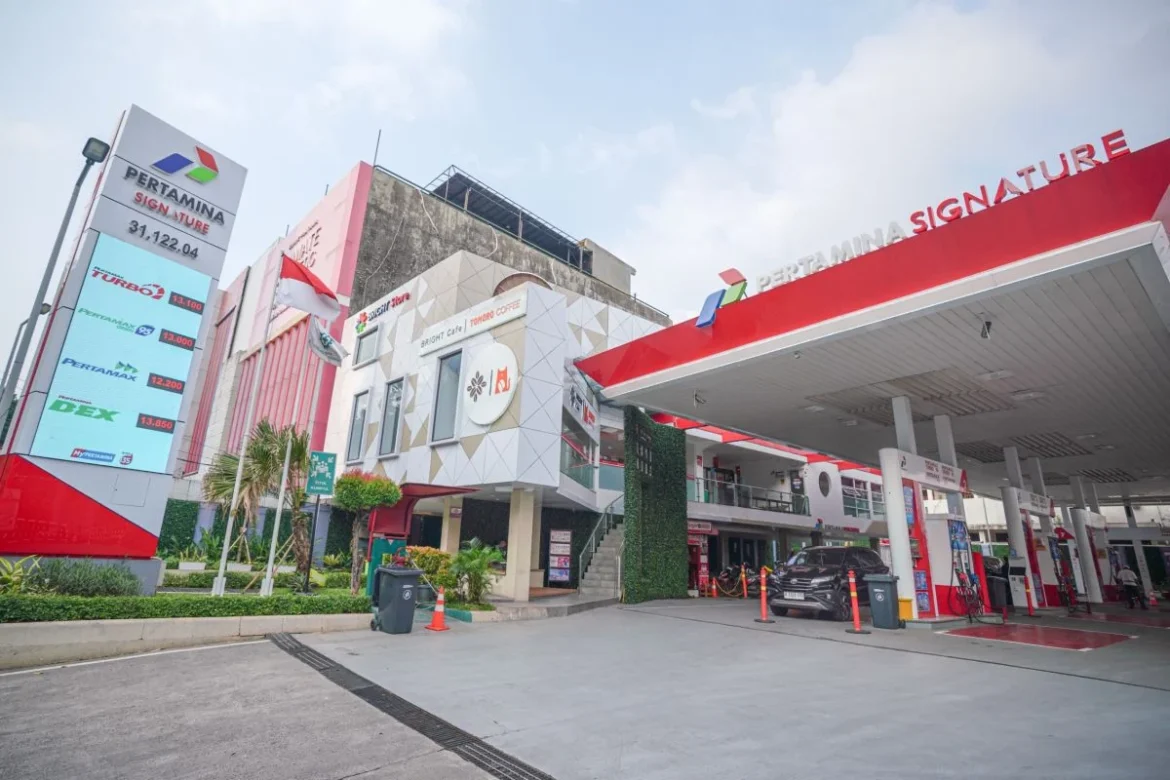
The landscape of retail fuel distribution in Indonesia is undergoing a notable transformation as PT Pertamina Patra Niaga, the commercial and trading sub-holding of state-owned energy giant PT Pertamina (Persero), aggressively rolls out its premium retail concept known as SPBU Signature. Designed to redefine the traditional gas station visit, this initiative shifts the operational paradigm from a transactional pitstop for vehicle refuelers into a comprehensive, multi-functional roadside hub equipped with elevated hospitality standards, high-end convenience retail, and essential automotive maintenance services.
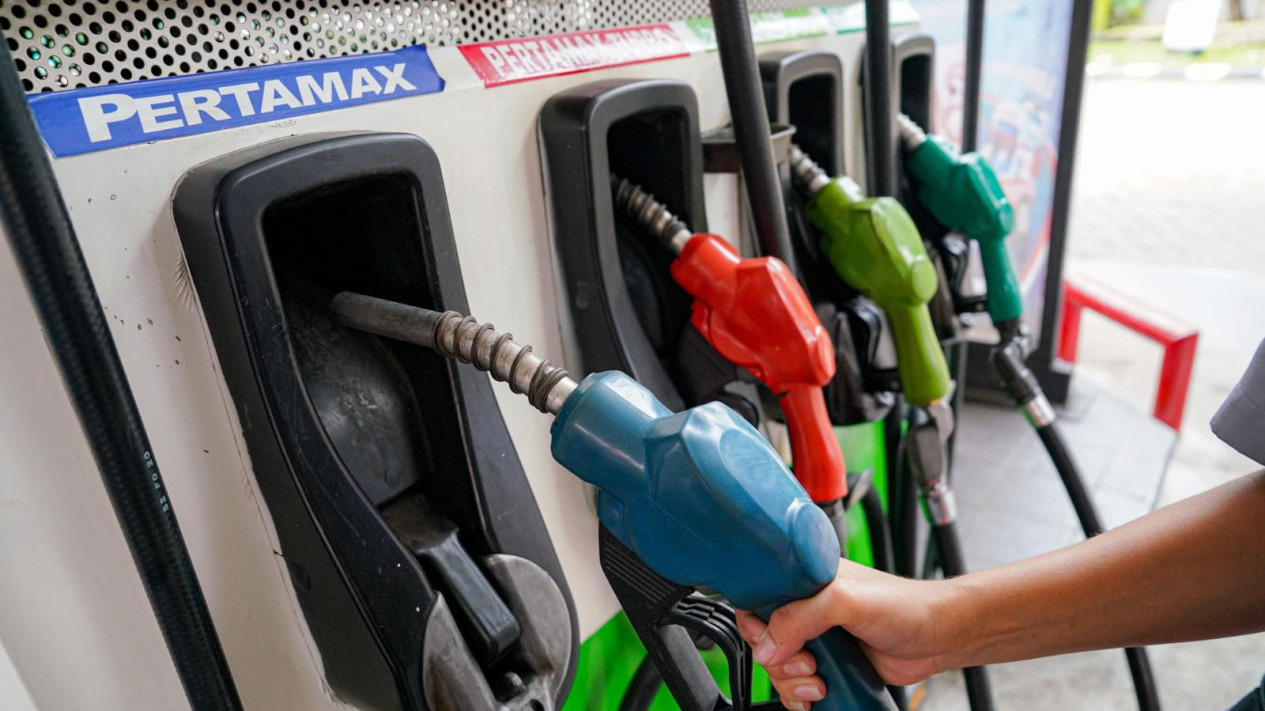
The rollout of the SPBU Signature network represents a strategic divergence from conventional fuel stations. While standard outlets continue to cater to the broad spectrum of society by distributing both subsidized and non-subsidized energy products, SPBU Signature stations are intentionally curated to exclusively market premium, non-subsidized fuel variants. This includes Pertamina’s flagship high-octane gasoline lineups under the Pertamax Series and advanced diesel formulations under the Dex Series. By prioritizing premium products, Pertamina aims to capture the growing demographic of modern motorists who demand superior fuel quality for higher-compression engines while simultaneously optimizing fuel distribution efficiency in congested urban centers.
Evolution and Chronology of the SPBU Signature Deployment
The genesis of the SPBU Signature concept dates back to initial pilot programs in upscale metropolitan zones, with the Pondok Indah station in South Jakarta serving as the pioneering blueprint. Recognizing the positive reception from motorists who valued enhanced comfort and cleaner facilities, Pertamina Patra Niaga steadily expanded the concept throughout the Jakarta, Bogor, Depok, Tangerang, and Bekasi (Jabodetabek) agglomeration.
By the initial development phase, the state-owned enterprise had successfully brought approximately 10 strategic locations under the Signature umbrella. These included high-traffic commercial and residential corridors such as Modernland, Fatmawati 01, S. Parman, Ceger, Pasar Minggu, Kembangan, Cikarang, Cibubur, and Cideng.
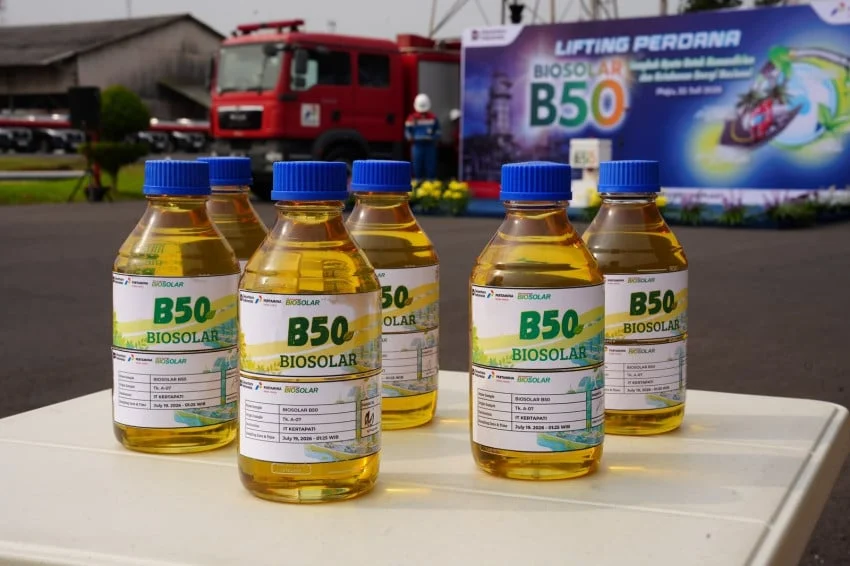
As part of its continuous service optimization, the expansion accelerated further. By 2026, the network footprint expanded significantly, with at least 13 key stations across Jakarta, Depok, and Bogor fully transitioned into SPBU Signature status. The systematic upgrades involved phasing out the sale of subsidized commodities—specifically Pertalite (RON 90) and Bio Solar—at these specific locations. The updated roster of Signature stations now incorporates prominent thoroughfares including Jalan Sultan Iskandar Muda, Jalan Peternakan II Cengkareng, Jalan Cideng Timur, Jalan Pos Pengumben, Jalan Pangeran Antasari, Jalan Jenderal Ahmad Yani, Jalan Raya Bina Marga Ceger, the Muara Baru commercial zone, Pondok Rangon in East Jakarta, locations in Depok, and Jalan Raya Letnan Sukarna in Ciampea, Bogor Regency.
Comprehensive Facilities Designed for Modern Motorists
What sets SPBU Signature apart from legacy fueling stations is the meticulous attention paid to non-fuel retail (NFR) and customer comfort amenities. Understanding that urban commuters and long-distance drivers frequently require more than just a full tank, Pertamina has integrated a suite of value-added facilities into each Signature location.
First, hygiene and spiritual needs are prioritized through the provision of meticulously maintained restrooms adhering to stringent cleanliness standards, alongside spacious, well-equipped musala (prayer rooms) furnished with clean ablution areas and comprehensive prayer apparel.
Second, retail and sustenance needs are anchored by the presence of Bright Store outlets. These convenience stores go beyond basic kiosk offerings, providing a rich inventory of fresh bakery items, hot and cold beverages, gourmet popcorn, instant meals, and exclusive Pertamina merchandise. Furthermore, select locations feature dedicated rest areas paired with artisanal coffee shops, giving drivers an environment conducive to combating driver fatigue before resuming their journeys.
Third, automotive care has been upgraded through on-site ancillary services. Motorists can access professional tire-patching (tambal ban) services and nitrogen inflation booths, allowing them to perform routine, minor vehicle maintenance on the spot. In addition, Pertamina Patra Niaga introduced localized promotional incentives to reward premium fuel consumers. For instance, motorists purchasing a minimum of Rp350,000 worth of non-subsidized fuel at designated Signature stations are entitled to complimentary tire-shining (semir ban) services, though these specific perks remain subject to localized operational terms.
Redefining Customer Service and Operational Dynamics
Beyond physical infrastructure, the human element forms a cornerstone of the SPBU Signature model. Operational guidelines mandate a shift in the demeanor and capabilities of frontline service personnel. Station attendants (operator) undergo specialized training to deliver a more interactive and consultative service experience. Beyond executing routine fueling operations, personnel are trained to proactively assist motorists, provide clear navigation around station facilities, and educate consumers on ongoing loyalty rewards, digital payment ecosystems, and promotional campaigns available through the MyPertamina application.
Addressing Public Concerns Over Subsidized Fuel Availability
The conversion of multiple strategic stations into SPBU Signature formats has occasionally sparked public discourse and inquiries regarding the availability of subsidized energy products, particularly Pertalite. Regulatory bodies and corporate communications have repeatedly clarified that the transformation of these select stations is strictly a commercial upgrade initiative aimed at modernizing urban retail spaces.
The Ministry of Energy and Mineral Resources (ESDM) alongside Pertamina Patra Niaga has assured the public that the exclusion of Pertalite and Bio Solar from SPBU Signature locations does not translate to a nationwide discontinuation of subsidized fuels. Motorists dependent on subsidized allocations can seamlessly access them at thousands of other conventional Pertamina retail stations operating across the country.
To prevent consumer friction and confusion, Pertamina provides digital directory tools via its official communication channels and mobile applications, allowing drivers to locate nearby stations based on specific fuel availability and facility requirements. Because network development is dynamic, station statuses and facility features are subject to continuous updates.
Strategic Implications and Future Outlook
The institutionalization of the SPBU Signature concept holds several profound implications for Indonesia’s downstream oil and gas sector. From an environmental and economic perspective, steering urban motorists toward high-octane, low-emission fuels like the Pertamax and Dex series aligns with broader national policies aimed at reducing vehicular emissions in densely populated metropolitan areas and improving engine efficiency.
Market analysts note that the strategy allows Pertamina to capture higher margins in urban centers where consumer purchasing power supports premium products, while simultaneously alleviating long queues frequently observed at standard stations dispensing subsidized fuels. By transforming gas stations into lifestyle and transit hubs, Pertamina is future-proofing its retail portfolio against broader macroeconomic shifts, such as the gradual penetration of electric vehicles (EVs), ensuring that its physical assets remain relevant community touchpoints for decades to come.