JAKARTA — Escalating geopolitical tensions in the Middle East have intensified global energy market anxieties, prompting state-owned energy giant PT Pertamina (Persero) to issue a stern warning regarding domestic fuel prices. Continued disruptions in critical trade corridors, particularly the Strait of Hormuz, threaten to drive the price of non-subsidized fuels such as Pertamax and Pertamina Dex as high as Rp18,000 to Rp20,000 per liter if international crude benchmarks fail to normalize.
The warning was delivered by Pertamina Patra Niaga Retail Marketing Director Eko Ricky Susanto during a public engagement event in Yogyakarta. According to Eko, the ongoing conflict—characterized primarily by hostilities involving the United States and Iran—represents one of the most severe geopolitical shocks the company has navigated in recent years, far surpassing the energy market volatility witnessed during the onset of the Russia-Ukraine war.
"We sincerely hope that this Middle East conflict can de-escalate very soon," Eko stated. "If not, the economic fallout will continue to impact our domestic pricing structures severely, as we are witnessing today."
Global Supply Chain Vulnerabilities and the Strait of Hormuz Chokepoint
The modern global energy trade relies heavily on the smooth transit of crude oil through tightly constrained maritime choke points. Among these, the Strait of Hormuz stands out as the most critical artery for global petroleum supply, carrying roughly a fifth of the world’s petroleum consumption daily. When military engagements or diplomatic standoffs occur in or adjacent to this vital corridor, shipping insurers, logistics providers, and energy traders immediately price in elevated risk premiums.
Unlike the regionalized disruptions sparked by the conflict between Russia and Ukraine—which primarily altered European pipeline dynamics and forced a rerouting of global liquefied natural gas (LNG) and Urals crude—the Middle East crisis directly threatens foundational crude extraction and primary maritime export routes. Eko emphasized that the sheer volume of petroleum passing through the Persian Gulf makes the current confrontation exceptionally dangerous for downstream markets worldwide.
"During the Russia-Ukraine conflict, the global energy crisis was not nearly as pervasive or systemically threatening as what we are experiencing with the US-Iran friction," Eko explained. "With the ongoing war in the Middle East and the threats surrounding the Strait of Hormuz, the repercussions are truly global. Beyond mere energy availability, international pricing stability has been fundamentally compromised."
Surging Indonesian Crude Price (ICP) Compounds Domestic Pressures
The ripple effects of international oil price volatility are quickly transmitted to Indonesia’s domestic economy through the Indonesian Crude Price (ICP), the official pricing benchmark established by the Ministry of Energy and Mineral Resources (ESDM). Recent data from the ministry underscores the mounting fiscal and commercial pressures facing the nation.
According to official figures, the average ICP for August 2026 climbed significantly to US$89.43 per barrel. This upward trajectory was formalized under the Ministry of Energy and Mineral Resources Decree Number 352.K/MG.03/MEM.M/2026, signed by the energy minister. The August reading reflects a sharp increase of US$7.75 per barrel compared to the July 2026 average of US$81.68 per barrel.
This steady climb in the baseline cost of crude oil occurs against a backdrop of persistent geopolitical risk and widespread market anxiety over potential supply shortages. Government authorities, working in tandem with national energy distributors, are closely monitoring daily market fluctuations ahead of the September pricing determinations. The central focus remains on safeguarding national energy resilience while ensuring absolute transparency and accountability in the administration of the ICP formula.
Economic Implications for Non-Subsidized Fuel Consumers
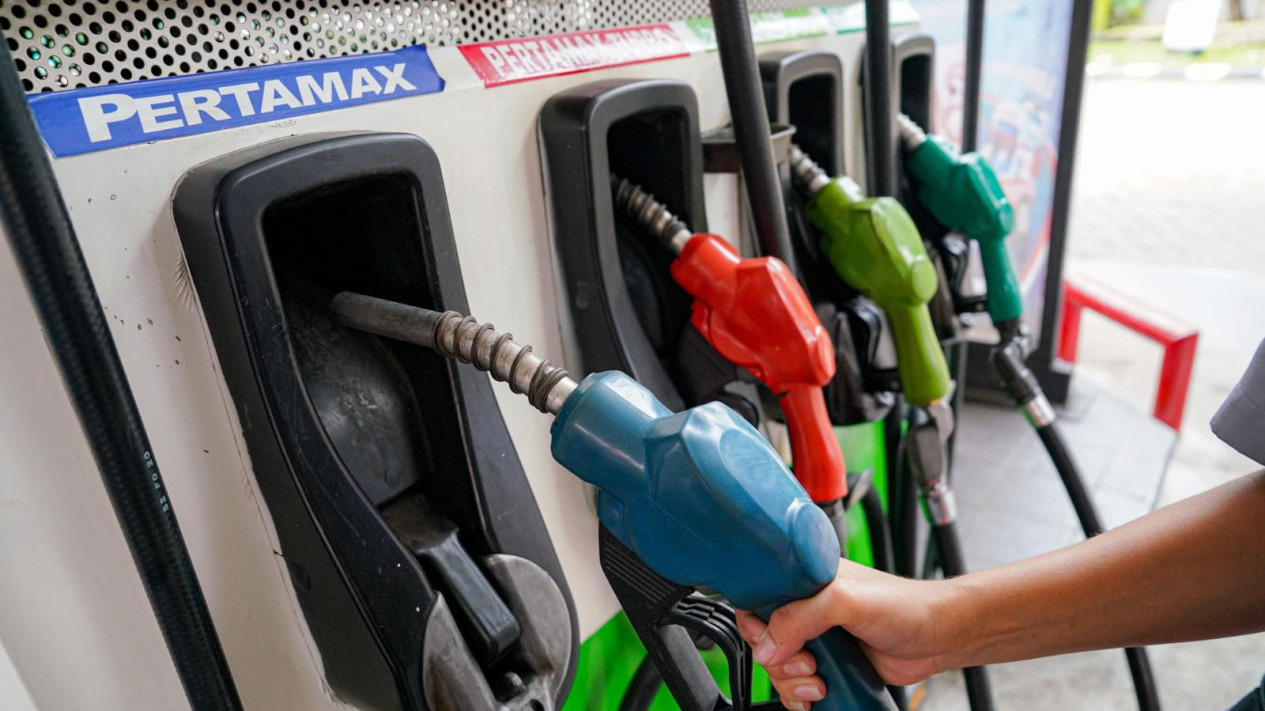
While the Indonesian government heavily subsidizes specific fuel products—such as Pertalite (RON 90) and Solar (automotive diesel)—to shield the broader population from extreme poverty and inflation, non-subsidized variants like Pertamax (RON 92) and Pertamina Dex are priced dynamically in accordance with MOPS (Means of Platts Singapore) indexes and prevailing crude prices.
Under Pertamina’s pricing framework, if international crude fails to retreat to pre-crisis levels of US$60 to US$70 per barrel, retail prices for premium fuels inside the archipelago must inevitably adjust upward to reflect true procurement costs. Eko noted that retail figures hovering between Rp18,000 and Rp20,000 per liter are entirely plausible unless a dramatic reversal occurs in global commodity exchanges.
"If international oil prices do not correct downward to the US$60-US$70 per barrel range—levels we enjoyed prior to the onset of this intense geopolitical friction—we will have no commercial choice but to pass these structural cost adjustments through to non-subsidized fuels," Eko noted. "Products like Pertamax and Pertamina Dex will inevitably trade in the Rp18,000 to Rp20,000 bracket given the absence of any downward indicators in the global oil market."
Broader Macroeconomic and Social Repercussions
An increase in non-subsidized fuel prices to the projected threshold carries wide-ranging implications for the domestic economy. While middle-to-upper-class motorists constitute the primary consumer base for Pertamax and Pertamina Dex, transportation logistics companies, commercial fleet operators, and private enterprises also rely heavily on non-subsidized industrial fuels for their operations.
When commercial fuel costs surge, logistics providers frequently pass these overhead expenses down the supply chain, triggering generalized cost-push inflation across consumer goods, food products, and manufacturing sectors. Consequently, economists and industry analysts are urging policymakers to accelerate transition frameworks toward domestic renewable energy sources and electric vehicle adoption to decouple the national economy from fossil fuel vulnerabilities.
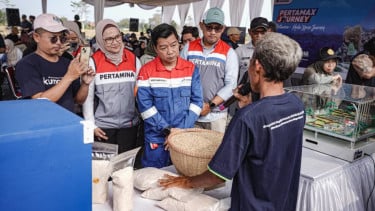
At the corporate level, entities such as Pertamina Patra Niaga continue to balance commercial viability with corporate social responsibility mandates. Alongside managing volatile fuel procurement strategies, the company has increasingly invested in localized New and Renewable Energy (NRE) initiatives, such as agricultural biomass programs and community-based solar applications, aimed at cushioning rural communities from external economic shocks.
Looking Ahead: Monitoring Global Diplomacy and Energy Security
As international diplomatic channels work to de-escalate tensions in the Middle East, the Indonesian government and Pertamina remain in a state of high alert. The upcoming weeks will prove decisive in determining whether crude markets stabilize or breach psychological resistance levels that would necessitate painful retail price adjustments at domestic gas stations.
For millions of Indonesian motorists and business owners, the trajectory of fuel prices in the coming months remains tethered not just to local economic policies, but to the fragile geopolitical balance thousands of miles away in the Persian Gulf.