
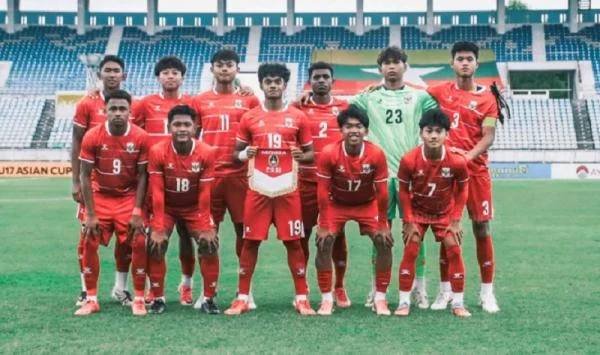
The Indonesian U-17 national football team, famously known as the Garuda Asia, is maintaining a steadfast commitment to its tactical philosophy as it prepares for the second match of the 2026 AFC U-17 Asian Cup Qualifiers. Head coach David Nascimento has signaled that despite the upcoming clash against Cambodia this Saturday, November 14, 2026, there will be no deviation from the high-intensity, possession-based identity that yielded a convincing 3-0 victory against the Philippines in their opening fixture.
The tournament, which is being hosted in Myanmar, serves as a critical gateway for Southeast Asian nations to qualify for the continental championship. For Indonesia, the victory over the Philippines was more than just three points; it was a statement of intent from a squad that has been meticulously prepared by Nascimento to compete at the highest level of youth football in Asia.
The Tactical Blueprint: Consistency as a Pillar of Success
Coach David Nascimento’s approach since taking the helm has been defined by a desire to control the tempo of the game. In the match against the Philippines, held on Wednesday, November 11, 2026, the Garuda Asia demonstrated a maturity beyond their years. By pressing high and circulating the ball with precision, they dismantled the Filipino defense, allowing key performers like Dhamar Tri Kusuma to shine.
"We do not intend to alter our DNA," Nascimento noted in the post-match briefing. "The identity we have built—one of courage, disciplined ball possession, and clinical finishing—is what will carry us through this tournament. We recognized that the Philippines presented specific challenges, and we adapted our positioning accordingly. We expect a similar profile from Cambodia, and our preparation remains focused on exploiting the spaces that such opponents inevitably leave behind."
This consistency is vital in tournament football, where momentum can be as important as technical skill. By refusing to adapt to the opponent’s style and instead forcing the opponent to adapt to them, Indonesia is signaling a shift in its footballing culture—moving away from reactive tactics toward a proactive, dominance-oriented style of play.
Chronology of the Group A Campaign
The road to the 2026 AFC U-17 Asian Cup began with rigorous training camps and regional scouting, but the competitive reality arrived in early November.
- November 11, 2026: Indonesia opened their Group A campaign in Myanmar with a dominant 3-0 victory over the Philippines. The match showcased the tactical flexibility of the squad, with the team maintaining control from the opening whistle to the final minute.
- November 12, 2026: The team shifted to a recovery phase. Recognizing the physical toll of international tournament play, the coaching staff prioritized physiotherapy, nutrition, and tactical analysis sessions to ensure the players were mentally and physically prepared for the next encounter.
- November 13, 2026: Final training sessions focused on match-specific simulations against Cambodia, incorporating the scouting reports generated by the team’s analysts.
- November 14, 2026: The second group stage match against Cambodia is scheduled, with Indonesia aiming to solidify its position at the top of the standings.
Analyzing the Opposition: The Cambodian Challenge
Cambodia, while historically considered an underdog in regional youth competitions, has shown significant improvement in recent years. Their youth development programs have benefited from increased international exposure, leading to a more structured defensive shape and a counter-attacking game plan that can catch unsuspecting opponents off guard.
Nascimento’s assessment that Cambodia shares tactical similarities with the Philippines is a crucial insight. Like the Philippines, Cambodia often relies on a low-block defensive structure intended to frustrate more technically gifted teams. For Indonesia, the challenge will lie in breaking down this block without overcommitting to the attack and leaving the backline exposed to rapid transitions.
The coaching staff is currently utilizing advanced match analysis to identify the specific trigger points in Cambodia’s defensive transitions. By analyzing video footage of Cambodia’s recent outings, the analysts have provided the squad with a roadmap for breaking through tight defensive lines, emphasizing the importance of overlapping runs from the full-backs and quick, one-touch passing in the final third.
Supporting Data and Statistical Context
The success of the Indonesian U-17 squad is not merely anecdotal; it is backed by a shift in statistical output. In their opening match, the Garuda Asia recorded a possession percentage of over 65%, a stark contrast to previous years where the team often surrendered the ball to opponents.
Furthermore, the conversion rate from set-piece opportunities and open play has improved, indicating that the training ground drills regarding final-third efficiency are bearing fruit. The emergence of players like Dhamar Tri Kusuma, who displayed remarkable composure in front of goal, provides a focal point for the attack. With three goals scored and zero conceded in the opener, the team enters the second match with significant defensive confidence—a luxury not often afforded to national teams in high-stakes qualifiers.
Official Responses and the Road Ahead
The Indonesian Football Association (PSSI) has expressed satisfaction with the team’s progress, emphasizing that the current project is a long-term investment in the nation’s footballing future. "We are pleased with the discipline shown by the players and the tactical clarity provided by the coaching staff," a PSSI representative noted. "The focus remains entirely on the next 90 minutes. We are taking this one match at a time, keeping the goal of the Asian Cup qualification firmly in sight."
The atmosphere within the camp is described as focused and professional. Players are reportedly adhering strictly to their recovery protocols, understanding that the schedule of the AFC qualifiers leaves little room for error. The mental resilience of these young athletes is being tested, but their performance against the Philippines suggests a squad that is mentally prepared for the rigors of international competition.
Broader Implications for Indonesian Football
The performance of the U-17 team in the AFC qualifiers has wider implications for the development of Indonesian football. By maintaining a consistent style of play across different age groups, the PSSI is looking to create a coherent "Indonesian Way." If the U-17s can continue to dominate matches and secure victories against regional rivals, it will validate the current coaching methodology and likely lead to an increase in resources for youth development.
Moreover, the visibility provided by the AFC qualifiers allows young players to gain exposure on a continental stage. For many, this is the first step toward a professional career, either in the domestic Liga 1 or in international leagues. The scouts currently monitoring the tournament in Myanmar are looking for exactly the type of composed, high-IQ football that Nascimento is instilling in his players.
As the match against Cambodia approaches, the expectation is that Indonesia will not deviate from its game plan. The goal is clear: maximize points, maintain the integrity of their tactical philosophy, and inch closer to the goal of qualifying for the AFC U-17 Asian Cup. If they succeed, it will serve as a testament to the importance of consistency, rigorous preparation, and an unwavering belief in one’s own identity, even when faced with the pressures of international competition.
The match serves as a litmus test for the team’s maturity. If they can replicate the controlled dominance shown against the Philippines, it will cement their status as one of the favorites to progress from Group A. The eyes of the nation remain fixed on Myanmar, waiting to see if this iteration of the Garuda Asia can continue their winning trajectory.
