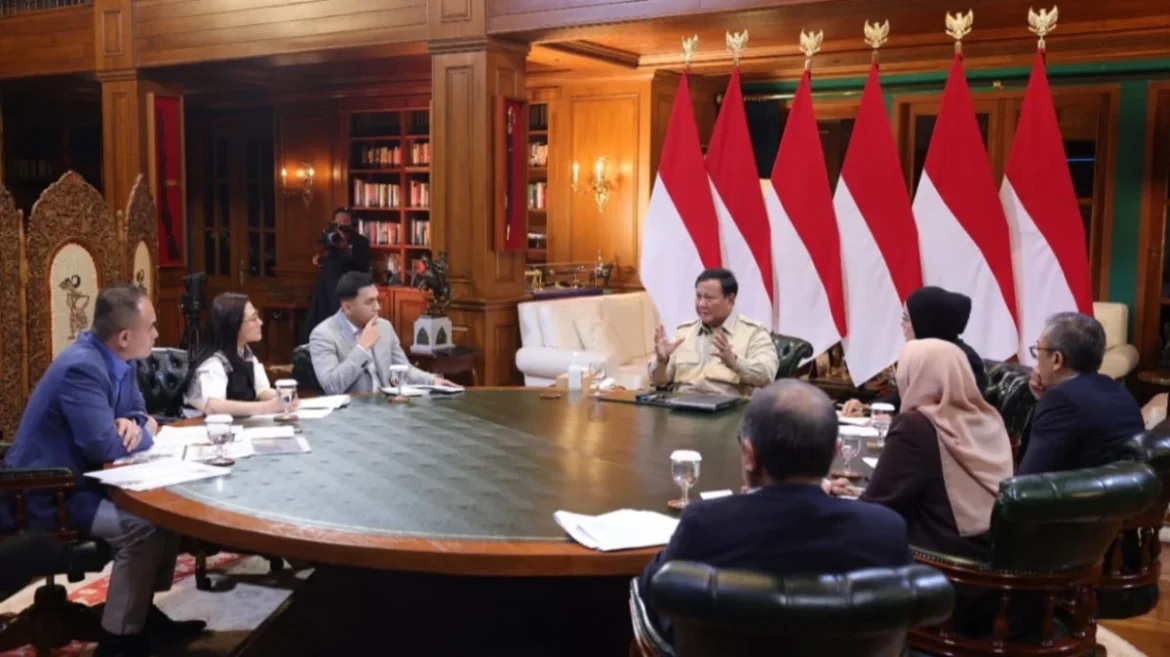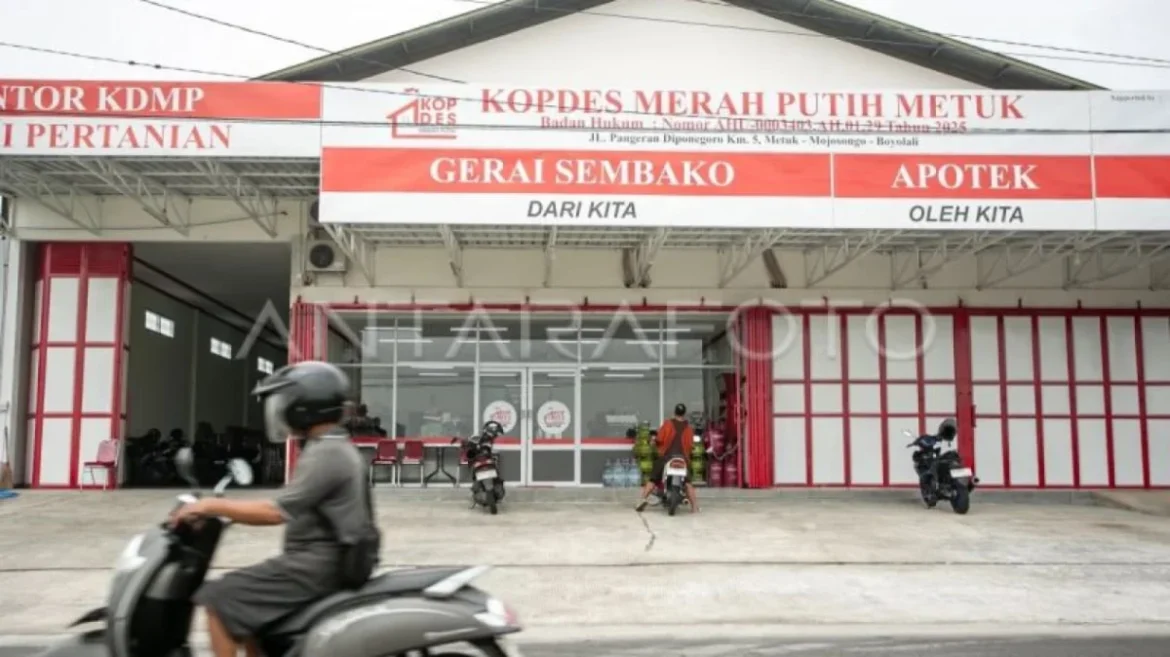
The effective empowerment of fishermen is a critical cornerstone for the successful realization of the Kampung Nelayan Merah Putih (KNMP) program, a national initiative designed to uplift Indonesia’s coastal communities. Beyond the fundamental development of physical infrastructure, a comprehensive strategy encompassing enhanced skills, robust institutional frameworks, and adequate social protection is deemed indispensable to ensure the program’s benefits are genuinely felt by those who rely on the sea for their livelihoods. This overarching perspective was the central theme of a recent discussion forum titled "Ngobrol Bareng Nelayan: Strengthening Pati Fishermen in Support of the KNMP Priority Program in Central Java," which convened hundreds of fishermen and coastal residents at the KNMP Banyutowo in Dukuhseti District, Pati Regency, on Sunday, July 19, 2026. The forum underscored that a multi-faceted approach, integrating various elements of support, is vital for fostering resilient, self-sufficient, and prosperous fishing communities.
The "Ngobrol Bareng Nelayan" Forum: A Platform for Dialogue and Collaboration
The "Ngobrol Bareng Nelayan" (Chatting with Fishermen) forum served as a crucial platform for direct engagement between fishermen, local government officials, state-owned enterprises, and community leaders. Held within the vibrant setting of KNMP Banyutowo, the event on July 19, 2026, was not merely a ceremonial gathering but a dynamic exchange of ideas aimed at identifying practical solutions and fostering a shared vision for the future of Pati’s fishing sector. Participants engaged in candid discussions about the challenges they face, ranging from fluctuating fish prices and unpredictable weather patterns to the need for modern fishing equipment and better access to markets. The forum highlighted the importance of a bottom-up approach, ensuring that the voices and needs of the fishermen themselves are central to policy formulation and program implementation.
Barri Pratama, Director of PT Sarana Patra Hulu Cepu (SPHC), a state-owned enterprise deeply involved in the region, articulated the imperative for sustained and collaborative efforts in fisherman empowerment. He emphasized that the benefits of the KNMP program can only be fully realized through a concerted partnership among all stakeholders. Pratama elaborated that strengthening the fishing community transcends mere skill improvement; it necessitates the cultivation of a healthy, competitive, and sustainable ecosystem. "SPHC is committed to consistently providing tangible support for initiatives that directly benefit the community," Pratama stated in a press release issued on Monday, July 20, 2026, reinforcing the company’s dedication to its Corporate Social and Environmental Responsibility (TJSL) programs. This commitment aligns with the broader national mandate for state-owned enterprises to contribute meaningfully to regional development and social welfare, extending their impact beyond their primary commercial operations.
Understanding the Kampung Nelayan Merah Putih (KNMP) Program
The Kampung Nelayan Merah Putih (KNMP) program represents a significant national strategic initiative launched by the Indonesian government to revitalize and develop coastal communities across the archipelago. Conceived as a holistic development model, KNMP aims to transform traditional fishing villages into modern, economically vibrant, and environmentally sustainable centers. The program’s objectives extend far beyond mere infrastructure provision, encompassing a broader vision for social equity, economic resilience, and ecological preservation.
Historically, Indonesian fishing communities have often faced systemic challenges, including limited access to capital, rudimentary fishing technologies, inadequate infrastructure for landing and processing, and vulnerability to market fluctuations and climate change. Many coastal areas also grapple with issues of poverty, lack of educational opportunities, and insufficient social safety nets. The KNMP program seeks to address these multifaceted issues by integrating various development components. Its implementation typically involves several phases, beginning with needs assessments and community consultations, followed by infrastructure development, capacity building initiatives, and the establishment of robust local institutions. The program’s "Merah Putih" (Red and White) moniker symbolizes national pride and unity, reflecting a commitment to elevating these communities as integral to Indonesia’s economic and social fabric. In Central Java, a province with a substantial coastline and a significant number of fishing communities, the KNMP program holds particular relevance, promising to unlock the vast potential of its maritime resources while improving the quality of life for thousands of fishermen and their families.
Pillars of Fisherman Empowerment: A Holistic Approach
The discussions at the Pati forum, and the KNMP program itself, highlight four interconnected pillars crucial for sustainable fisherman empowerment: infrastructure development, skill enhancement, institutional strengthening, and social protection. Each pillar plays a vital role in creating a robust and resilient fishing community.
-
Infrastructure Development: While the focus of the forum was on capacity building, the importance of physical infrastructure cannot be overstated. Modern and well-maintained infrastructure forms the backbone of an efficient fishing industry. This includes improved fishing ports with adequate docking facilities, cold storage units to preserve catches, processing facilities to add value to raw seafood, and reliable transportation networks to access markets. In many traditional fishing villages, rudimentary infrastructure often leads to post-harvest losses, reduced product quality, and limited market reach. The KNMP program typically includes provisions for upgrading these essential facilities, which in turn supports the economic viability of fishing operations and allows fishermen to command better prices for their products. For instance, the availability of ice-making machines and cold storage can significantly extend the shelf life of fish, enabling fishermen to diversify their markets and reduce reliance on immediate sales at often unfavorable prices.
-
Skill Enhancement and Capacity Building: The core of the "Ngobrol Bareng Nelayan" forum revolved around this pillar. Hadi Santosa, Head of the Department of Maritime Affairs and Fisheries (DKP) for Pati Regency, underscored the critical need for fishermen to enhance the quality of their catches and actively participate in available training programs. This extends beyond basic fishing techniques to encompass a range of modern skills. Training programs often cover sustainable fishing practices (e.g., selective fishing gear, avoiding overfishing), navigation using modern GPS and sonar technology, basic marine safety, engine maintenance, and even financial literacy and business management. By acquiring these skills, fishermen can operate more efficiently, safely, and profitably. Furthermore, capacity building can also involve teaching value-added processing techniques, such as making fish crackers, smoked fish, or other processed seafood products, which can significantly increase their income potential and diversify their economic activities beyond raw fish sales.
-
Institutional Strengthening: The collective strength of fishermen often lies in their ability to organize and act cohesively. Strengthening fishermen’s institutions, such as cooperatives or community-based organizations, is paramount. These institutions can serve multiple functions: facilitating access to credit and capital, bulk purchasing of supplies (fuel, nets), collective marketing of catches, and acting as a unified voice for advocating their interests to local and national governments. Barri Pratama of SPHC specifically mentioned that the KNMP program is also directed towards strengthening the economy of coastal communities and fishermen’s institutions, indicating a recognition that individual empowerment is amplified through collective action. A well-managed cooperative, for example, can negotiate better prices with buyers, provide micro-loans to members, and offer shared resources that individual fishermen might not be able to afford.
-
Social Protection and Welfare: Hadi Santosa explicitly highlighted the importance of social protection through BPJS Ketenagakerjaan (Workers Social Security Agency) membership, given the inherently high risks associated with working at sea. Fishing is one of the most dangerous professions globally, with risks ranging from adverse weather conditions and equipment failure to accidents at sea. Without adequate social protection, an injury or illness can quickly plunge a fisherman and their family into financial hardship. BPJS Ketenagakerjaan provides crucial benefits such as work accident insurance, death benefits, and old-age savings, offering a vital safety net for fishermen and their families. This aspect of welfare is often overlooked but is fundamental to ensuring long-term stability and resilience within the community. Ensuring wide coverage for informal workers like fishermen is a key policy challenge, and active promotion and facilitated access are essential.
Stakeholder Perspectives and Collaborative Commitments
The success of the KNMP program in Pati, and indeed nationwide, hinges on robust collaboration among various stakeholders. The forum in Banyutowo brought together key actors, each articulating their commitment and specific roles.
-
PT Sarana Patra Hulu Cepu (SPHC): As a state-owned enterprise, SPHC’s participation through its TJSL program exemplifies the broader governmental strategy to involve SOEs in community development. Barri Pratama’s statement underscores SPHC’s commitment to creating a sustainable and competitive ecosystem for fishermen. Their involvement extends beyond mere financial sponsorship, often including direct engagement in capacity-building initiatives, providing resources for infrastructure upgrades, or supporting entrepreneurship programs within coastal communities. This form of corporate social responsibility is integral to the Indonesian government’s push for SOEs to be agents of change and development, particularly in regions where their operations are located or where national strategic programs are being implemented.
-
Pati Regency’s Department of Maritime Affairs and Fisheries (DKP): Hadi Santosa, representing the local government, emphasized the DKP’s role in guiding fishermen towards quality improvement and leveraging available training. The DKP is crucial for implementing national and provincial fisheries policies at the local level, providing extension services, monitoring fishing activities, and facilitating access to various governmental support programs. Their active encouragement for fishermen to join BPJS Ketenagakerjaan highlights a proactive stance on worker welfare, recognizing the unique occupational hazards faced by fishermen. The DKP also plays a vital role in data collection, which is essential for informed policy-making and resource management.
-
Local Community and Youth Leadership: Subaskoro, a prominent youth figure from Banyutowo and a fisheries entrepreneur, provided an invaluable local perspective. He asserted that the success of KNMP Banyutowo transcends mere budgetary allocations, emphasizing the crucial role of collective cohesion and active community participation in managing coastal resources. This highlights the importance of local ownership and leadership. Without the active involvement and buy-in from the community, even the best-designed programs can falter. Subaskoro’s perspective underscores that empowerment is not just something done to a community but something achieved by a community, driven by internal motivation and collective effort. Local entrepreneurs like Subaskoro can also serve as catalysts for economic growth, demonstrating viable business models and creating local employment opportunities.
-
Juwana Fisheries Port Authority: Driyanto, Head of Juwana Fisheries Port, provided practical guidance for fishermen seeking tangible assistance. He urged fishing groups requiring equipment aid to submit proposals to the Central Java Provincial Department of Maritime Affairs and Fisheries, adhering to established mechanisms. The Juwana Port is a significant fisheries hub in Central Java, and its authority plays a critical role in regulating fishing activities, providing port services, and acting as a conduit between local fishermen and provincial-level support programs. Their guidance is essential for ensuring that aid reaches those who need it most, through proper channels and transparent processes.
-
Provincial Government (Inferred): While not explicitly quoted in detail, the involvement of the Provincial Department of Maritime Affairs and Fisheries, as mentioned by Driyanto, signifies the crucial role of the provincial administration. The Central Java Provincial Government is responsible for coordinating various programs, allocating resources, and setting regional priorities within the broader national framework of KNMP. Their oversight ensures that local initiatives align with provincial development goals and that larger-scale support, such as for expensive fishing equipment or regional infrastructure projects, can be facilitated.
Challenges and Opportunities in Indonesia’s Fisheries Sector
Despite concerted efforts like the KNMP program, Indonesia’s fisheries sector faces a complex array of challenges, but also harbors immense opportunities.
-
Challenges: These include the ongoing threat of illegal, unreported, and unregulated (IUU) fishing, which depletes fish stocks and undermines the livelihoods of legitimate fishermen. Climate change presents significant risks, altering ocean temperatures, currents, and fish migration patterns, leading to unpredictable catches. Market access and price volatility remain constant concerns, often exacerbated by a lack of processing infrastructure and market information. Many small-scale fishermen also struggle with limited capital to invest in better equipment or upgrade their boats, perpetuating a cycle of low productivity. The generational gap, with younger generations often seeking opportunities outside the traditional fishing sector, also poses a long-term challenge to the continuity of fishing communities.
-
Opportunities: Indonesia, as the world’s largest archipelagic nation, possesses extraordinary maritime potential. The "blue economy" concept, which emphasizes sustainable use of ocean resources for economic growth, improved livelihoods, and ocean ecosystem health, offers a guiding framework. There’s significant potential in developing sustainable aquaculture, which can reduce pressure on wild fish stocks and provide a stable source of income. Eco-tourism in coastal areas can also diversify local economies. Furthermore, the adoption of digital technologies, such as e-commerce platforms for selling fish directly to consumers or using satellite data for more efficient fishing, can revolutionize the sector, improving market access and operational efficiency for fishermen.
Broader Economic and Social Implications
The successful implementation of capacity building initiatives within the KNMP program in Pati carries profound economic and social implications for the region and the nation.
- Poverty Reduction: By empowering fishermen with better skills, access to resources, and social protection, the program directly contributes to poverty alleviation in coastal communities. Increased income, diversified livelihoods, and improved welfare reduce vulnerability and enhance the overall quality of life.
- Food Security: A more productive and sustainable fisheries sector contributes significantly to national food security. By ensuring stable and abundant fish supplies, the program helps meet the dietary needs of the Indonesian population, especially in a country where fish is a primary source of protein.
- Sustainable Resource Management: The emphasis on sustainable fishing practices and institutional strengthening supports responsible stewardship of marine resources. This is crucial for long-term ecological balance and ensures that future generations can also benefit from healthy oceans.
- Regional Development: Vibrant fishing communities stimulate broader regional development. Improved infrastructure, increased economic activity, and enhanced social services in coastal areas create a ripple effect, fostering growth in related sectors such as trade, logistics, and local tourism. This contributes to a more balanced and equitable development across the country.
The Path Forward: Sustaining Momentum and Ensuring Inclusivity
The "Ngobrol Bareng Nelayan" forum in Pati serves as a powerful reminder that the journey towards empowering fishermen is ongoing and requires continuous dedication. The future success of the KNMP program in Banyutowo and other coastal villages will depend on several critical factors. There must be a sustained commitment from all stakeholders—government at all levels, private sector entities like SPHC, and, most importantly, the fishing communities themselves. Regular monitoring and evaluation mechanisms are essential to track progress, identify shortcomings, and adapt strategies as needed.
Furthermore, policy frameworks must continue to evolve to address emerging challenges, such as the impacts of climate change and the need for greater adoption of environmentally friendly technologies. Ensuring inclusivity, particularly for women and youth within fishing communities, will also be vital for fostering holistic development and maximizing human potential. Women often play crucial roles in post-harvest processing and marketing, and their empowerment through training and access to capital can significantly boost household incomes. Engaging youth is key to introducing innovation and ensuring the long-term sustainability of the fishing profession.
Ultimately, the vision for the Kampung Nelayan Merah Putih program in Pati, as highlighted by the collaborative discussions, is not just about building better infrastructure or providing more training. It is about fostering resilient, self-sufficient, and thriving communities that can navigate the complexities of a changing world, contribute robustly to the national economy, and preserve their unique cultural heritage for generations to come. The collective effort demonstrated in Pati is a promising indicator of the transformative potential inherent in a truly integrated approach to coastal community development.