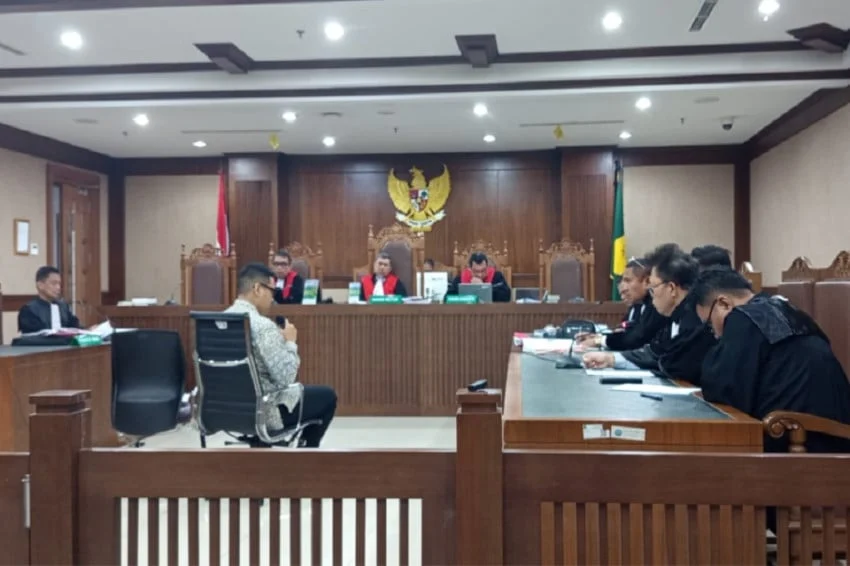
The legal proceedings surrounding the high-profile extortion and intimidation case involving defendant Bangun Paulus Tudungta reached a critical juncture at the Central Jakarta District Court on Wednesday, November 4, 2026. During the examination phase of the defendant, the Public Prosecution Service (JPU) formally signaled that the testimony provided by Tudungta stood in direct conflict with the accounts previously offered by several key witnesses. This divergence in narrative has become a focal point of the prosecution’s strategy as they prepare to finalize their sentencing recommendations.
The proceedings, presided over by a panel of judges, sought to reconcile the conflicting versions of events regarding allegations of systematic extortion and targeted intimidation. As the trial progresses, the discrepancy between the defendant’s claims of innocence and the corroborating evidence provided by witnesses has intensified the scrutiny on the defense’s position.
The Prosecution’s Assessment of Contradictions
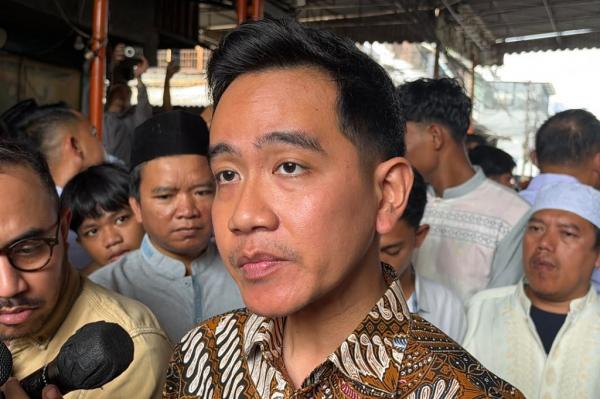
Following the conclusion of the session, Prosecutor Andri Saputra addressed the media regarding the state’s assessment of the defendant’s testimony. Saputra noted that the inconsistencies were not minor discrepancies but rather fundamental clashes with the established evidentiary record.
"When we correlate the defendant’s statements with the established facts of the trial, there is a clear contradiction. The account provided by the defendant deviates significantly from the testimony of the witnesses," Saputra stated. He emphasized that the prosecution is currently synthesizing these discrepancies, which will serve as a central pillar in the forthcoming sentencing demand.
The primary point of contention revolves around the presence of physical or psychological coercion. According to the prosecution, the victim provided a detailed account of being subjected to violence and intimidation, which resulted in significant trauma and a lingering sense of fear. Conversely, Tudungta categorically denied any involvement in physical or psychological aggression, maintaining a narrative of non-confrontational engagement. The prosecution highlighted that these denials are particularly suspect given that some of the witnesses who contradicted the defendant were reportedly his own acquaintances.
Chronology of the Case
The case against Bangun Paulus Tudungta is part of a broader crackdown on extortion schemes within the capital. The timeline of the case reflects a methodical investigation by law enforcement, culminating in the current trial phase:
- Initial Filing (Early 2026): The case gained public attention following reports of systemic threats against the victim, who alleged that Tudungta had used coercion to extract financial concessions.
- Indictment Phase: The prosecution formally charged the defendant with violating articles related to extortion and intimidation under the Indonesian Criminal Code (KUHP).
- Witness Testimony Phase (September–October 2026): Throughout this period, multiple witnesses, including those familiar with both the victim and the accused, provided testimony regarding the specific incidents of threats.
- Defendant Examination (November 4, 2026): This session served as the defendant’s opportunity to refute the charges. It was during this session that the prosecution identified the alleged contradictions that now jeopardize the defense’s credibility.
Legal Implications of Inconsistent Testimony
In the Indonesian legal system, the credibility of a defendant’s testimony is a significant factor in judicial deliberation. Under the prevailing procedural laws, while a defendant has the right to deny charges, a pattern of proven contradictions can severely undermine their defense. Legal analysts observe that when a defendant’s account is directly refuted by multiple, independent witnesses, the panel of judges is more likely to view the defendant’s statements as an attempt to obstruct justice or mislead the court.
The prosecution’s focus on the victim’s psychological state—citing trauma and fear—is intended to establish the "force" component required for a conviction on extortion charges. If the court finds the victim’s testimony credible, the defendant’s refusal to acknowledge the intimidation could be viewed as a lack of remorse, which often serves as an aggravating factor during the sentencing phase.
Broader Context: Extortion and Corruption in Jakarta
This case is unfolding amidst a climate of heightened sensitivity regarding financial crimes in Indonesia. The legal landscape has seen a surge in high-profile cases involving extortion, often linked to the threat of exposing past legal or financial vulnerabilities.
For instance, the recent indictment of high-ranking officials in separate cases—such as the high-profile allegations involving the forcing of individuals to pay vast sums to avoid being named as suspects in the Jiwasraya scandal—has heightened public interest in how the judiciary handles cases of extortion. While the Tudungta case is distinct in its specific facts, it is viewed by observers as part of a wider effort by the judicial system to demonstrate zero tolerance for predatory financial behavior.
The Role of Witness Credibility
The fact that the prosecution specifically noted that some witnesses were acquaintances of the defendant adds a layer of complexity to the trial. In legal practice, witnesses who have an existing relationship with the defendant are generally viewed as potentially biased in the defendant’s favor. When such witnesses provide testimony that is harmful to the defendant—effectively contradicting his own account—it carries significant weight.
The prosecution’s reliance on these specific witnesses suggests a strategic choice to utilize "insider" testimony to dismantle the defendant’s narrative. If the witnesses’ accounts are deemed more reliable than the defendant’s, the legal threshold for establishing guilt becomes significantly easier for the prosecution to meet.
The Path Toward Sentencing
As the trial moves toward its conclusion, the next procedural step will be the submission of the prosecution’s sentencing demand (tuntutan). This document will likely incorporate a detailed analysis of why the defendant’s testimony was rejected and how the weight of evidence supports the original charges.
Following the prosecution’s demand, the defense will have the opportunity to present a rebuttal (pleidoi), aiming to address the contradictions highlighted by the JPU. The panel of judges will then weigh the evidence, the arguments, and the psychological impact on the victim before arriving at a final verdict.
Implications for the Legal System
The case of Bangun Paulus Tudungta serves as a case study for the challenges inherent in prosecuting "he-said-she-said" crimes, particularly where intimidation is involved. The prosecution’s insistence on the contradiction between the defendant and his own circle of acquaintances underscores the difficulty of maintaining a false narrative in a court of law when faced with a thorough investigation.
For the legal community, the outcome of this case will reiterate the importance of witness corroboration in criminal proceedings. As the Central Jakarta District Court prepares for the upcoming sessions, the focus remains on whether the defendant’s version of events will hold up under the scrutiny of the judicial bench or if the prosecution’s narrative of systemic intimidation will prevail.
The final verdict will not only determine the fate of the defendant but also serve as a barometer for the efficacy of current anti-extortion legal frameworks in the city. Observers and legal experts continue to monitor the proceedings closely, noting that the resolution of this case will contribute to the broader discourse on justice, accountability, and the protection of individuals against predatory practices in the professional and social spheres.
As of the latest update, the trial is expected to resume in the coming weeks, with the prosecution team preparing to consolidate their findings into a final formal statement. The court remains committed to ensuring that all parties are heard, yet the emphasis remains firmly on the objective analysis of the facts presented throughout the duration of the trial.