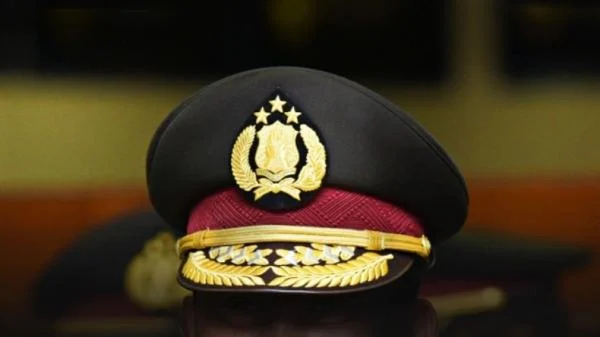
In a significant administrative maneuver aimed at reinforcing the leadership structure of the Indonesian National Police (Polri), the institution officially inaugurated 34 new high-ranking officers to the rank of Brigadier General (Brigjen) in late September 2026. This promotion cycle, conducted at the Rupattama building within the National Police Headquarters in Jakarta, marks a pivotal shift in the organizational hierarchy, reflecting the force’s ongoing commitment to merit-based career progression and the strategic rotation of its senior command staff.
The ceremony, presided over by Chief of National Police (Kapolri) General Listyo Sigit Prabowo on Friday, September 25, 2026, served as the formal validation for officers who have demonstrated exceptional service, leadership, and operational success. The infusion of these 34 newly minted one-star generals is part of a broader, ongoing initiative to optimize the Police’s internal human capital management and ensure that critical divisions remain manned by experienced personnel capable of navigating the complex security challenges of the modern era.
The Dynamics of the Promotion Ceremony
The Korps Raport ceremony, a traditional event symbolizing the formal elevation of rank within the police force, was characterized by a somber and professional atmosphere. Among the notable figures who received their promotions were Brigadier General Dally Achmad Mutiara, Brigadier General Zefanja Honpry Dapas, and Brigadier General Ruruh Wicaksono. While the names of these officers have been publicly disclosed by the Public Relations Division of the Polri, the list of the 34 individuals represents only a segment of the larger group of 50 senior officers (Pati) who were elevated during this period, including advancements in higher echelons, such as the promotion of the Assistant to the Chief of Police for Operations (Astamaops) to the rank of Commissioner General (Komjen).
The event was not merely a ceremonial formality but a calculated message to the rank and file regarding the expectations placed upon high-level leadership. By elevating these officers, the Polri leadership aims to align senior management with the current national strategic agenda, which emphasizes the modernization of public service, the integration of digital technologies in law enforcement, and the enhancement of public trust through more humanistic and transparent policing strategies.

Strategic Context and Institutional Growth
The promotion of 34 Brigadier Generals is part of a comprehensive strategy to refresh the institutional leadership that has been unfolding throughout 2026. This process is not arbitrary; it is the culmination of rigorous performance evaluations, background screenings, and professional assessments overseen by the Police Promotion Council (Wanjakti).
In the context of the Indonesian security landscape, the role of a Brigadier General is multi-faceted. These officers are typically tasked with leading regional departments, supervising specialized investigative units, or serving as strategic advisors to the Chief of Police. Their promotion comes at a time when the Polri is undergoing a massive digital transformation, as evidenced by the recent launch of integrated digital vehicle registration (STNK) systems and centralized, automated traffic fine payment gateways. These technological advancements require a leadership cadre that is not only proficient in traditional law enforcement but also capable of overseeing sophisticated IT infrastructure and data security protocols.
Official Perspectives on Leadership and Responsibility
The Public Relations Division of the Polri, represented by Inspector General Johnny Eddizon Isir, emphasized that these promotions are a direct reflection of the organization’s meritocracy. Speaking on Saturday, September 26, 2026, Isir underscored that the elevation in rank is a recognition of the dedication and loyalty shown by the officers throughout their careers.
"Every rank promotion is a form of institutional appreciation for the dedication, loyalty, and performance of the personnel," Isir stated. "However, behind this promotion lies a significant mandate and an increasing responsibility to continue providing the best contributions to the institution, the nation, and the community."
Isir further clarified that these changes are vital for the continuous professional development of the force. By promoting these officers, the institution ensures a healthy rotation of leadership, preventing stagnation and allowing for the infusion of new perspectives. The emphasis on being a "teladan" or role model is paramount; high-ranking officers are expected to embody the values of integrity, neutrality, and public service, particularly as the police force faces increasing scrutiny regarding its conduct and effectiveness in the digital age.

Analyzing the Broader Implications
The shift in command structure is expected to have several long-term implications for the institution:
- Operational Efficiency: By placing experienced officers in new, high-stakes positions, the Polri aims to streamline decision-making processes. The transition of leadership is expected to bolster ongoing internal reforms aimed at reducing bureaucratic bottlenecks.
- Technological Integration: With the recent push toward a "Digital Police" model, the new generals are expected to champion the adoption of new systems. Their role will be to ensure that the rank and file at the operational level effectively utilize the tools provided, such as the aforementioned digital traffic enforcement systems.
- Public Perception and Trust: The Police leadership is acutely aware that the legitimacy of their authority rests on public trust. By promoting officers who have a proven track record of "humanistic" and transparent service, the institution is attempting to reshape its public image and move toward a model of community-centered policing.
- Career Path Continuity: This wave of promotions provides a clear signal to mid-career officers that the institution rewards consistent performance and adherence to organizational values, thereby boosting morale and retention rates within the officer corps.
Timeline and Procedural Background
The sequence of events leading up to the September 25 ceremony reflects the organized nature of the Polri’s administrative calendar. The promotions followed a series of internal assessments held in late August and early September. These assessments scrutinized the records of candidates against benchmarks such as academic achievement, previous field experience, and contributions to national security during high-profile events earlier in the year.
The following timeline provides context to the organizational movement:
- Late August 2026: Initial assessments and review of potential candidates by the Wanjakti board.
- Mid-September 2026: Finalization of the promotion list and notification of the candidates.
- September 25, 2026: The formal Korps Raport ceremony at the Rupattama building, presided over by General Listyo Sigit Prabowo.
- September 26, 2026: Official public statement and confirmation of the new leadership assignments by the Public Relations Division.
Future Challenges for the New Command
While the promotion ceremony marks a milestone for the 34 new generals, the path ahead is not without challenges. The Indonesian police force is currently tasked with managing the complexities of a changing digital economy, addressing evolving cyber-threats, and maintaining order in a society that is increasingly vocal about its expectations for accountability.
The new Brigadier Generals will be expected to serve as bridges between the high-level policy mandates issued by the National Police Headquarters and the daily realities faced by officers in the field. Their ability to successfully implement the recently launched digital systems, while maintaining the human element of policing, will be a key metric of their success.

Furthermore, the emphasis on being "humanis" (humanistic) is not just a slogan; it is a strategic necessity. As the Polri continues to modernize, it must reconcile its role as a law enforcement entity with the necessity of being a service-oriented organization. The newly promoted generals are seen as the vanguard of this cultural shift within the force.
Conclusion
The promotion of 34 new generals within the Indonesian National Police in September 2026 is a significant development that underscores the institution’s ongoing effort to modernize its leadership. By rewarding experience, dedication, and technical competence, the Polri is positioning itself to handle the multifaceted challenges of the mid-2020s.
As these officers assume their new duties, the focus of the organization remains clear: the enhancement of professional standards, the adoption of digital-first solutions, and the cultivation of a police force that is both effective in its enforcement duties and compassionate in its service to the public. For the Indonesian National Police, this leadership transition is more than a change in titles; it is an investment in the future of national security and the continued evolution of Indonesia’s public order and safety infrastructure. With the backing of the Chief of Police, these 34 leaders now step into a vital role, tasked with steering the institution toward a more efficient and transparent future.