
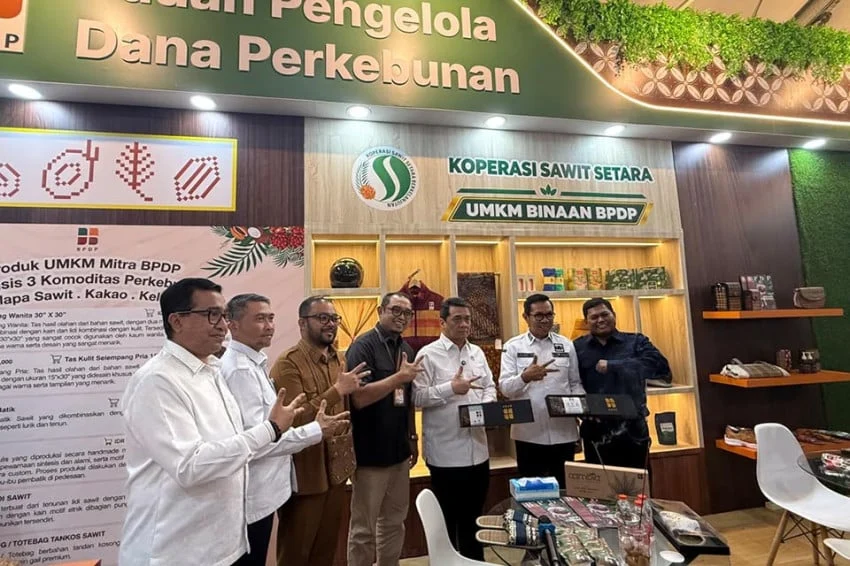
The Indonesian plantation sector stands as a formidable pillar of the national economy, serving as a primary engine for foreign exchange earnings, national revenue, and employment generation. From the upstream cultivation of oil palm, coconut, and cocoa to the downstream processing of value-added goods, the sector remains integral to the country’s development. Recognizing the critical need to transition from raw commodity exports to high-value manufactured goods, the Badan Pengelola Dana Perkebunan (BPDP) has intensified its commitment to supporting the grassroots of this industry. As part of this strategic initiative, BPDP participated in the Indonesia Value-Added Exhibition (INDOVEX) 2026, held in the scenic city of Batu, East Java, from November 2 to November 4, 2026. This participation serves as a platform to amplify the visibility, capacity, and global market readiness of Micro, Small, and Medium Enterprises (MSMEs) specializing in plantation-based products.
The Evolution of the Plantation Sector: From Commodities to Creativity
Historically, the Indonesian plantation sector was dominated by large-scale industrial players capable of massive capital investment. However, the current economic landscape reflects a paradigm shift. Through the adoption of accessible technology, grassroots innovation, and a burgeoning creative economy, local MSMEs are successfully transforming raw materials and even agricultural waste into premium consumer goods.
This evolution is significant. By processing commodities like palm oil into specialty cosmetics, coconut husks into industrial-grade fiber, or cocoa into artisanal chocolate, these small-scale businesses are capturing a larger share of the value chain. This bottom-up approach not only increases the income of local farmers and producers but also strengthens the economic resilience of rural communities, providing a sustainable alternative to traditional subsistence farming.
INDOVEX 2026: A Catalyst for Market Access
The INDOVEX 2026 event in Batu City served as the epicenter for this industrial transformation. The three-day exhibition was designed to bridge the gap between rural innovation and urban market demand. For many MSMEs, the primary hurdle in growth is not the quality of the product, but the ability to penetrate competitive markets and navigate branding requirements.
During the event, BPDP provided a dedicated showcase for these entrepreneurs. The exhibition allowed producers to interact directly with retailers, investors, and potential export partners. By positioning these MSMEs alongside established industry players, the event helped normalize the presence of high-quality, small-batch plantation products in the national consciousness.
Economic Impact and Strategic Data
The role of the plantation sector in Indonesia cannot be overstated. According to recent trade data, the palm oil industry alone contributes significantly to the national GDP, with exports reaching record highs in the preceding fiscal years. However, government policy has shifted toward "Hilirisasi"—the industrial downstreaming policy—which aims to mandate the processing of commodities domestically.
Data suggests that for every dollar invested in downstream MSME capacity building, the multiplier effect in rural regions is substantial. Jobs created in processing facilities are typically more stable and higher-paying than those in manual labor harvesting. Furthermore, the diversification of products—ranging from bio-energy derivatives to organic food additives—reduces Indonesia’s vulnerability to the volatile price fluctuations of raw global commodity markets. By supporting these MSMEs, BPDP is essentially acting as a stabilizer for the national economy.
BPDP’s Mandate and Developmental Strategy
The Badan Pengelola Dana Perkebunan (BPDP) operates with a mandate to ensure the long-term sustainability of the plantation sector. This includes human resource development, research and development, and the rejuvenation of smallholder plantations. Their involvement in INDOVEX 2026 is part of a broader, multi-year strategy to professionalize the MSME sector.
In recent discussions, analysts have noted that the "Roemah UMKM" initiative—a BPDP-led program focused on providing infrastructure and mentorship to small businesses—has become a central pillar of this strategy. While the program has faced scrutiny and public interest, the consensus among trade experts is that such interventions are necessary to overcome the "middle-income trap" often faced by rural agricultural enterprises.
The Chronology of Industrial Downstreaming
The path to the current state of innovation has been marked by several key phases:
- 2020-2022 (The Foundation Phase): The government focused on basic infrastructure and seed quality improvement for smallholders.
- 2023-2024 (The Innovation Gap): MSMEs began adopting simple processing technologies, moving from selling raw palm fruit to producing crude oil or basic soaps.
- 2025 (The Regulatory Push): Increased government focus on labeling, certification (such as ISPO for smallholders), and export readiness.
- 2026 (The Integration Phase): Events like INDOVEX 2026 represent the current focus on market integration, where the goal is to normalize the consumption of locally produced, high-value plantation derivatives among Indonesian consumers.
Challenges Facing the MSME Sector
Despite the successes highlighted in Batu, the journey for MSMEs remains fraught with challenges. Market access is only one piece of the puzzle. Other critical factors include:
- Supply Chain Logistics: Rural producers often struggle with the cost and efficiency of transporting goods to urban centers or ports.
- Quality Standardization: Maintaining consistent quality for mass-market retail requires sophisticated equipment that remains out of reach for the smallest operators.
- Digital Literacy: As the world shifts to e-commerce, MSMEs must learn to navigate digital marketing and online payment systems to scale their operations.
BPDP’s presence at INDOVEX 2026 addressed these challenges by facilitating workshops on digital branding and supply chain management, ensuring that participants left the event with more than just temporary sales—they left with a roadmap for sustainable growth.
Official Perspectives and Future Outlook
Industry observers and government officials have praised the collaborative approach taken at the Batu event. By creating a physical space where policy makers, investors, and producers can congregate, the event fosters an environment of mutual trust.
"The transition from a raw-material supplier to a value-added manufacturer is the most important journey our rural economy can take," noted an industry analyst present at the event. "When an MSME in East Java turns coconut waste into sustainable fashion accessories or organic fertilizer, they aren’t just making a profit—they are solving a waste management problem and contributing to a circular economy."
BPDP has indicated that it intends to continue this trajectory, with plans to expand its support network to other provinces in 2027. The focus will likely shift toward increasing the export-readiness of these products, specifically targeting niche markets in the ASEAN region and beyond.
Conclusion: A Sustainable Path Forward
The participation of BPDP in INDOVEX 2026 is a microcosm of Indonesia’s broader economic ambitions. By focusing on the small-scale, decentralized power of MSMEs, the country is building an economic architecture that is both robust and inclusive. As the global demand for sustainable, ethically sourced plantation products rises, the innovations showcased in Batu are well-positioned to compete on the international stage.
The success of these enterprises will ultimately determine the long-term viability of the Indonesian plantation sector. If the momentum established at INDOVEX 2026 is maintained, the integration of technology, creative product development, and institutional support will ensure that Indonesia’s vast natural resources continue to provide prosperity for generations to come, moving far beyond the simple export of raw commodities. The commitment of organizations like BPDP, coupled with the resilience and ingenuity of the Indonesian people, marks a promising chapter in the nation’s economic narrative. As the sector matures, the world will likely see an increasing array of high-quality, innovative products bearing the "Made in Indonesia" label, rooted deeply in the rich, productive soil of the country’s diverse plantation landscapes.
