The ongoing legal confrontation between prominent aesthetics practitioner Dr. Richard Lee and the social media personality known as Dokter Detektif, or "Doktif," reached another pivotal juncture on Thursday, September 24, 2026. As the proceedings unfolded at the Tangerang District Court, public and media attention shifted not only toward the unfolding testimony but also toward the personal appearance of Dr. Richard Lee, whose physical transformation has become a subject of significant discourse among observers and digital audiences.
Dr. Richard Lee appeared in court wearing a formal white shirt, a minimalist choice that highlighted a noticeable reduction in his physical stature. Observers and netizens alike were quick to point out that the physician appeared significantly thinner than in previous public appearances. While the defense team has remained focused on the legal merits of the case, the visual shift in Dr. Richard Lee’s appearance has sparked widespread speculation regarding the physical and psychological toll of prolonged litigation and high-profile professional disputes.
Contextualizing the Legal Dispute
The conflict between Dr. Richard Lee and Doktif—whose real name is Samira Farahnaz—centers on professional allegations, reputation management, and the boundaries of public critique within the Indonesian aesthetics industry. Doktif rose to prominence by auditing and reviewing skincare products and aesthetic clinics, often adopting a "detective" persona that challenged the efficacy and marketing claims of various industry players.
Dr. Richard Lee, a figure who has frequently occupied the intersection of medical practice and social media influence, found himself at odds with this scrutiny. The resulting legal battle is viewed by industry analysts as a bellwether case for how medical professionals navigate public criticism in the age of digital content creation. The tension between the two parties has been characterized by intense exchanges, both within the courtroom and across social media platforms, where followers of both individuals have engaged in polarized debates.

Chronology of the September 24th Proceedings
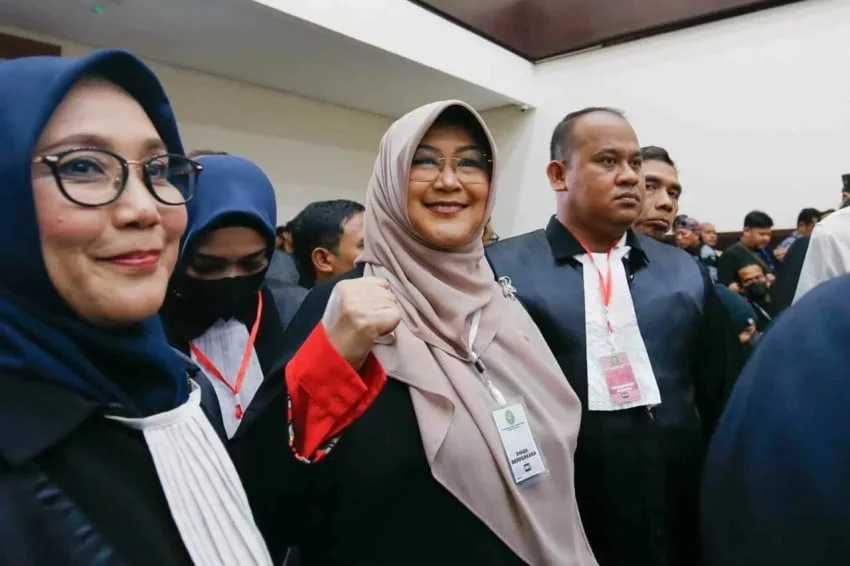
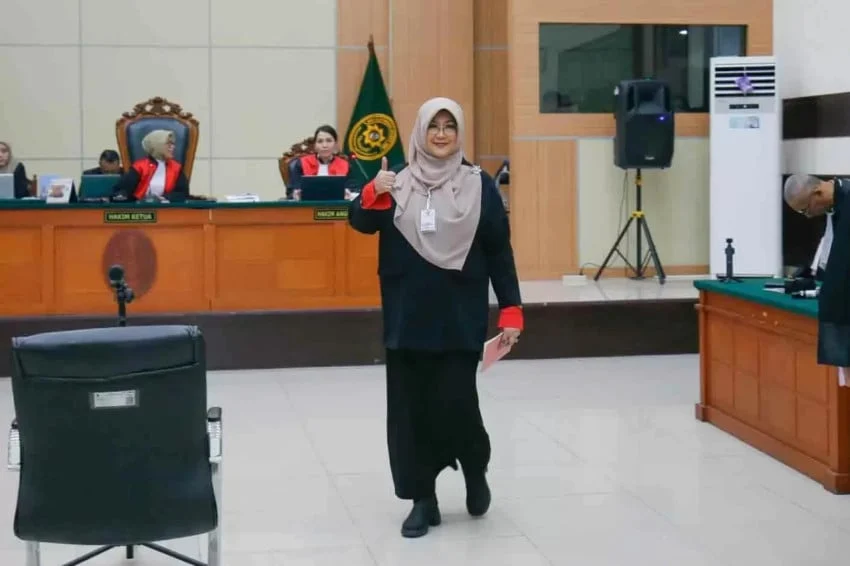
The session on September 24th was dominated by the testimony of Dr. Janet Aprilia Stanzah, a veteran practitioner called to the stand as a witness for the defense. Dr. Janet, who holds significant standing within the medical aesthetics community, provided a nuanced perspective on the personality and professional history of the individual behind the "Doktif" persona.
According to Dr. Janet’s testimony, her acquaintance with the defendant dates back to 2012. Their professional relationship was fostered through their mutual involvement in the Indonesian Aesthetic Doctors Association (Perdesti) in the DKI Jakarta chapter. Dr. Janet, who served as the chair of the organization for over a decade, offered a window into the character of Samira Farahnaz before her transition into a viral content creator.
"I have known her since her early years in the profession," Dr. Janet stated during her testimony. She described the defendant as an individual who, in private and professional settings, could be both amicable and highly articulate. However, the testimony took a critical turn when Dr. Janet addressed the shift in character that occurs when the defendant enters a debate. Dr. Janet characterized Samira as having a "hard and dominant" personality, particularly when challenged, suggesting that the confrontational nature seen in her digital persona is consistent with her approach to professional discourse.
Analyzing the Testimony and Its Legal Implications
The testimony provided by Dr. Janet serves as a strategic attempt by Dr. Richard Lee’s legal team to contextualize the behavior of the plaintiff. By framing the dispute not as a simple case of medical defamation but as a manifestation of a personality trait, the defense seeks to cast doubt on the objectivity of the criticisms leveled against Dr. Richard Lee.
Legal experts observing the trial note that witness character testimony is a common, albeit complex, strategy. By establishing that the defendant has a history of aggressive debate, the defense hopes to persuade the court that the statements made by Doktif against Dr. Richard Lee may be driven by a combative nature rather than purely factual, clinical observation.

However, the prosecution is expected to counter this by focusing on the scientific validity of the claims made by Doktif. The core of the legal conflict remains: did the actions of Doktif constitute legitimate consumer advocacy, or did they cross the line into defamation and illegal disruption of business operations? The court’s eventual ruling will likely establish a precedent for how "influencer-doctors" can legally critique one another in the future.
Broader Industry Impacts
The conflict between these two influential figures has sent ripples through the Indonesian beauty and healthcare sector. The industry, which has seen exponential growth over the past five years, is currently struggling with a lack of standardized regulation regarding how professional ethics apply to social media reviews.
Recent data suggests that the skincare and aesthetic industry in Indonesia is worth trillions of rupiah, fueled largely by aggressive digital marketing and celebrity endorsements. When figures like Dr. Richard Lee—who commands millions of followers—and Doktif—who serves as a self-appointed auditor—clash, the fallout affects consumer trust in the broader market.
Industry analysts point to three major implications:
- Regulatory Scrutiny: There is a mounting call for the Ministry of Health and the Indonesian Medical Council to provide clearer guidelines on the conduct of physicians on social media.
- Consumer Trust: The ongoing public nature of this feud has led to increased skepticism among consumers, who are now more likely to demand third-party validation beyond influencer reviews.
- Legal Precedent: The outcome of this trial will likely be cited in future litigation involving online defamation, particularly where the intersection of professional reputation and social media impact is concerned.
The Human Element: Public Perception and Stress
While the legal arguments remain technical, the public’s focus on Dr. Richard Lee’s physical condition—his visible weight loss—reflects the human dimension of the trial. Public figures in Indonesia often face a double-edged sword: the benefit of immense reach and the burden of constant public surveillance.

Observers have noted that the stress of the trial, coupled with the pressure of maintaining a high-profile business empire, likely contributes to the changes in his appearance. In the context of Indonesian celebrity culture, such physical shifts often trigger public empathy or, conversely, increased scrutiny. Whether this will influence the court’s perception of the defendant or the plaintiff remains to be seen, as the judiciary is tasked with remaining strictly impartial.
Looking Ahead
As the trial moves into its next phase, the court is expected to hear from additional experts regarding the clinical evidence surrounding the skincare products at the center of the dispute. The inclusion of testimony from peers like Dr. Janet suggests that the trial will continue to delve into the professional backgrounds of all parties involved.
The court has scheduled subsequent sessions to evaluate the technical evidence submitted by both sides. For the supporters of Dr. Richard Lee, this is a fight for his professional credibility. For the followers of Doktif, it is a struggle to maintain the freedom of consumer advocacy.
As the legal proceedings continue, the public remains fixated on the courtroom in Tangerang. Whether the resolution comes through a verdict or a potential settlement remains a matter of ongoing speculation. For now, the case stands as a significant case study in the evolving landscape of digital accountability, professional rivalry, and the high cost of public disputes within the medical community. The court will continue to weigh the evidence as both parties prepare for the final arguments that will ultimately define the future of their respective careers.