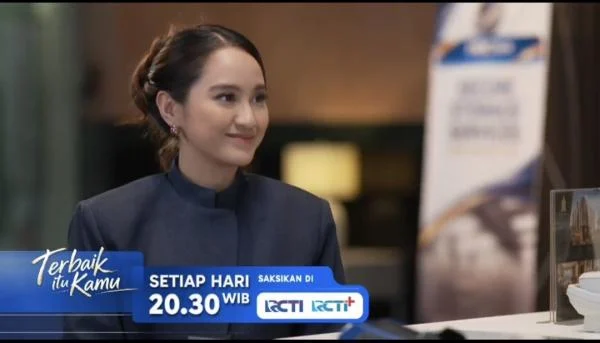
The primetime soap opera, which airs nightly at 20:30 WIB on RCTI Channel 28, has emerged as a cornerstone of Indonesian television programming. By masterfully weaving together elements of romance, family drama, and high-stakes action, the series has cultivated a dedicated viewership. The show features a star-studded cast including Salsabila Andriani as Sera Maharani, Jefri Nichol as Kenzi Adrian, Marvin Daneswara as Arya Vasco, Rachel Patricia as Clara Putri, Benny Ruswandi as Prayoga Bratanegara, and Cinta Dewi as Lena Saputri. As the plot thickens, the intersection of personal relationships and the brutal world of underground combat provides a backdrop that keeps audiences engaged in the characters’ moral and physical dilemmas.
The Evolution of the Narrative Arc
At the heart of the current storyline is the transition of Kenzi Adrian from the ring to a life of relative anonymity. Having abandoned his career in professional boxing—a decision that remains a source of deep sorrow for his family, particularly Lena—Kenzi is navigating the complexities of a modest life. The recent episodes highlight the vulnerability of his new domestic reality. Living in a humble rental unit with Lena and Alea, the trio struggles to maintain a sense of normalcy despite their limited financial resources.
The show’s attention to detail, such as the depiction of everyday transactions like using QRIS for minor purchases, reflects a commitment to modernizing the soap opera genre to mirror the realities of contemporary Indonesian life. This juxtaposition of the "everyman" struggle with the underlying tension of Kenzi’s past creates a compelling narrative friction. While Lena attempts to foster a sense of familial warmth, the cold demeanor of Alea toward Kenzi serves as a constant reminder that the past cannot be easily discarded, even when one seeks a clean slate.
The Shadow of the Underground Circuit
Parallel to Kenzi’s personal struggles is the dark, calculated world of organized fighting orchestrated by the antagonist, Prayoga Bratanegara. The narrative introduces a high-stakes environment where human lives are treated as commodities in betting pools. Marvin Daneswara’s character, Arya Vasco, finds himself under immense pressure as Prayoga demands a replacement fighter to maintain the momentum of their illicit wagering operations.
The introduction of Bimo as a potential candidate for this circuit adds a layer of volatility to the plot. During a recent sparring session, Bimo demonstrated a level of aggression that both impressed and unsettled his observers. His overt defiance toward Marvin—specifically mentioning the mysterious figure of Bram—signals an impending conflict that threatens to pull Kenzi back into the world he desperately wants to leave behind. For Prayoga, the success of his operations is non-negotiable, and he has explicitly offloaded the responsibility of managing Bimo’s readiness onto Marvin, setting the stage for a power struggle that could jeopardize all parties involved.
Contextualizing the Indonesian Soap Opera Industry
The success of Terbaik Itu Kamu is reflective of broader trends within the Indonesian entertainment landscape. According to recent industry reports, prime-time soap operas, known locally as sinetron, continue to command the highest viewership ratings in Indonesia, often capturing over 30% of the national television audience during peak hours. The genre’s endurance can be attributed to its ability to blend traditional family values with contemporary social issues.
Industry analysts suggest that the inclusion of action sequences—a deviation from the strictly domestic dramas of the early 2000s—is a strategic move to broaden the demographic appeal. By incorporating themes of "betrayal" and "the pursuit of truth," producers are targeting a younger, more dynamic audience that expects high production values and faster-paced storytelling. The involvement of established film actors like Jefri Nichol also serves to bridge the gap between cinema and television, lending a degree of prestige and performance depth that was historically uncommon in the format.
Character Analysis and Psychological Stakes
The character of Kenzi Adrian serves as the series’ moral anchor. His internal conflict is defined by the dichotomy between his protective instinct toward his family and the involuntary pull of his past combat training. Psychologically, the character represents the struggle of the "retired hero," a classic archetype that resonates with audiences who appreciate the theme of redemption.
Conversely, the antagonist, Prayoga Bratanegara, embodies the corruption that threatens the domestic stability Kenzi seeks. His cold, transactional nature provides the necessary conflict to propel the plot forward. The supporting cast, particularly the friction between Alea and Kenzi, introduces a subplot of emotional reconciliation that balances the more aggressive, action-oriented segments of the show.

Production and Technical Execution
Production quality in modern Indonesian television has seen a significant uptick. Terbaik Itu Kamu utilizes sophisticated camera work and sound design to elevate scenes that might otherwise be mundane. The decision to integrate modern technology, such as the mention of QRIS payments, is a deliberate narrative choice to ensure the show feels current. This "hyper-realism" helps viewers relate to the characters’ struggles with the cost of living and digital economic integration, grounding the high-drama elements in a recognizable reality.
Furthermore, the casting choices suggest a deliberate effort to blend seasoned veterans like Benny Ruswandi with popular young talent like Jefri Nichol and Salsabila Andriani. This ensures a multi-generational appeal, allowing the series to maintain a robust viewership across different age demographics.
The Role of RCTI in Shaping Media Trends
RCTI, as the platform for Terbaik Itu Kamu, remains a dominant force in the Indonesian media landscape. Its strategy of "Live" content—as seen in its recent coverage of sporting events like the ACL 2—complements its drama programming, creating a comprehensive entertainment ecosystem. The network’s ability to funnel viewers from live sports broadcasts into primetime dramas is a key component of its high rating strategy.
By strategically scheduling Terbaik Itu Kamu at 20:30 WIB, the network captures the peak of household viewing times, ensuring that the show remains a topic of national conversation. The engagement statistics from the network’s digital platforms, including their active WhatsApp channels, indicate that fans are not just passive viewers but are actively participating in the discourse surrounding the show’s plot twists.
Implications of the Ongoing Conflict
As the story progresses, the central question for the audience remains: can one truly escape their past, or is the cycle of violence inevitable? The narrative arc of the upcoming episodes appears to be building toward a confrontation between the domestic life Kenzi is trying to build and the underground obligations forced upon him by the machinations of Prayoga.

The inclusion of the character Bram in the dialogue between Bimo and Marvin suggests a larger, more complex network of characters that has yet to be fully revealed. If the show follows standard dramatic structure, the viewer can anticipate a "point of no return" where Kenzi will be forced to choose between the safety of his family and the justice he seeks to uncover regarding the betrayal he suffered.
Looking Ahead: The Future of the Series
With consistent ratings and a growing fan base, Terbaik Itu Kamu is positioned to remain a staple of Indonesian evening television for the foreseeable future. The show’s ability to maintain suspense while exploring emotional intimacy has set a high bar for competitors.
As the production continues, the integration of more complex action choreography and character development will be crucial to keeping the audience invested. The show’s writers face the ongoing challenge of balancing the "action-thriller" aspects of the underground fight circuit with the "slice-of-life" elements that define the characters’ domestic trials.
Ultimately, Terbaik Itu Kamu is more than just a soap opera; it is a reflection of the modern Indonesian experience, characterized by the struggle to balance the demands of the past with the hopes for a better future. Through its compelling cast and well-paced narrative, the series continues to prove that, even in the face of betrayal and darkness, the pursuit of truth remains the most potent driving force for any character. As viewers tune in each night at 20:30 WIB, they are reminded that in the world of the series—and perhaps in life itself—the struggle to define one’s own path is the ultimate narrative.