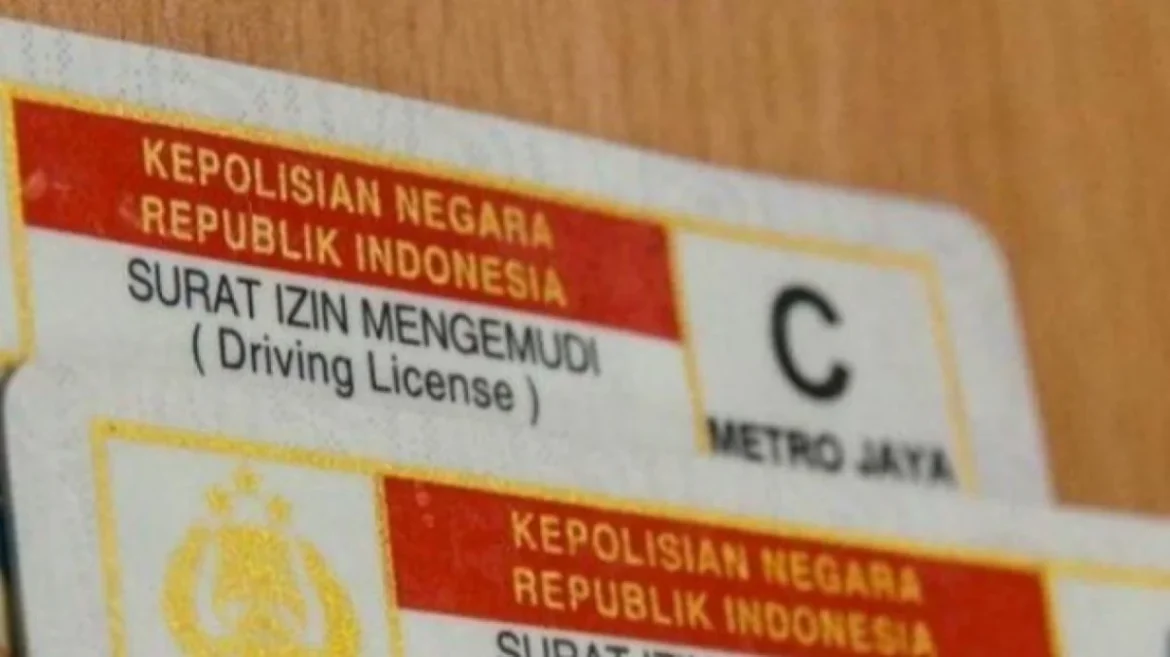
Jakarta — In a significant leap forward for public administrative services, the Indonesian National Police’s Traffic Corps (Korlantas Polri) has officially introduced a self-service printing machine known as Kios SIM. Unveiled on Monday, September 28, 2026, this digital innovation is designed to revolutionize how citizens process the renewal of their driver’s licenses (Surat Izin Mengemudi or SIM), specifically targeting holders of Class A (private cars) and Class C (motorcycles) permits. By allowing motorists to print their physical cards independently via an automated kiosk, the police force aims to drastically reduce wait times, minimize bureaucratic bottlenecks, and eliminate long queues at conventional Satuan Penyelenggara Administrasi SIM (Satpas) offices.
The rollout of Kios SIM forms part of a broader, sweeping digital transformation initiative spearheaded by Korlantas Polri to modernize traffic administration nationwide. Alongside the self-service printing machines, authorities also rolled out an upgraded Electronic Ticket Fine Payment System, enhanced Digital STNK (Vehicle Registration Certificate) services, and the newly minted Siap Jalan application. However, despite the enthusiasm surrounding these high-tech upgrades, officials have emphasized that the rollout will be implemented in carefully managed phases, meaning motorists cannot yet expect to find a Kios SIM at every local police station or service outlet across the archipelago.
Step-by-Step Integration with the Digital Korlantas Ecosystem
The operation of the Kios SIM is seamlessly integrated with the existing digital infrastructure established by the Indonesian police, most notably the SINAR (SIM Nasional Presisi) application housed within the broader Digital Korlantas platform. Citizens wishing to utilize the self-service machine must initiate the renewal process remotely through their smartphones.
The procedure begins with the digital submission of required documents, including medical check-up results, psychological test verifications, and digital photographs, all processed through the SINAR app. Once the administrative requirements are met and the renewal fee is paid electronically, the applicant receives a unique Quick Response (QR) code directly on their mobile device.
Upon visiting a designated location housing a Kios SIM, the applicant bypasses traditional registration counters entirely. The user simply approaches the automated kiosk and scans their generated QR code using the machine’s integrated optical scanner. The system instantly retrieves the verified applicant data from the central database, displaying it on the kiosk’s touchscreen interface for a final review. After confirming that the personal details and license classifications are accurate, the user presses a physical or virtual print button. Within moments, the newly minted, official physical SIM card is dispensed directly from the machine.
This streamlined workflow effectively condenses a multi-step administrative ordeal into a matter of minutes, reflecting a growing global trend toward automated government services and citizen self-service portals.
Strategic Objectives and Official Statements from Korlantas Leadership
The introduction of Kios SIM addresses longstanding grievances from the public regarding overcrowding, processing delays, and administrative fatigue at traditional Satpas offices. For decades, Indonesian motorists renewing their driving credentials have faced protracted waiting periods, enduring physical queues for verification, data entry, photography, and final card collection.
Kakorlantas Polri, Inspector General Wibowo, highlighted the strategic importance of this technological breakthrough during the launch event in Jakarta on September 28, 2026. He underscored that the initiative is intentionally crafted to provide a viable, efficient alternative for citizens who prefer digital self-service solutions.
"This is a breakthrough we have implemented to provide an alternative for the public to print their SIM cards independently, specifically for the renewal of Class A and Class C licenses utilizing the SINAR application on Digital Korlantas," Inspector General Wibowo stated.
Furthermore, Wibowo emphasized that the primary objective of deploying these kiosks is to optimize internal resource allocation while vastly improving the citizen experience. By shifting routine, standardized card printing away from human-operated service windows and into automated kiosks, Satpas facilities can redirect their personnel toward more complex administrative tasks, such as first-time applicant testing, international license processing, and enforcement oversight.
Phased Rollout Strategy and Regional Expansion Plans
Despite the high expectations surrounding Kios SIM, Korlantas Polri has adopted a measured, phased deployment strategy to ensure system stability, data security, and hardware reliability before nationwide scaling. Consequently, motorists are advised that the machines are not yet ubiquitous.
At launch, the availability of Kios SIM units is restricted to select trial zones, meaning that citizens residing outside these targeted areas must continue utilizing standard over-the-counter processing mechanisms at their local Satpas offices. The physical presence of a Kios SIM does not immediately replace traditional service counters; rather, it functions as a supplementary premium channel for tech-savvy motorists or those pressed for time.
To address regional coverage gaps, Korlantas has outlined an aggressive expansion roadmap. Over the subsequent phases of deployment, the traffic corps plans to saturate the entire Greater Jakarta (Jabodetabek) region with Kios SIM units. Crucially, rather than limiting the installations strictly to police facilities, authorities are actively coordinating with local governments to place the automated kiosks in high-traffic, highly accessible public spaces.
"Moving forward, we will complete the installation across all regional jurisdictions within Jabodetabek, including the placement of these SIM Kios units in several public service malls," Wibowo elaborated, pointing toward an inclusive administrative model that brings government services directly to where citizens live, work, and shop.
Technological Synergy: Complementary Digital Innovations
The debut of Kios SIM did not occur in isolation. It was unveiled alongside a coordinated suite of digital tools intended to overhaul the entire ecosystem of vehicle ownership and traffic law enforcement in Indonesia. The simultaneous launch of the Electronic Ticket Fine Payment System, Digital STNK, and the Siap Jalan application reflects a holistic vision for digital governance within the Indonesian National Police.
The Electronic Ticket Fine Payment System simplifies the adjudication of traffic violations, allowing motorists to settle fines transparently without navigating complex court procedures or dealing with cash transactions in the field. Meanwhile, the Digital STNK integration provides vehicle owners with authentic, legally recognized electronic proofs of registration accessible directly via mobile devices, reducing the risk of lost or damaged paper documents.
Complementing these administrative tools is the Siap Jalan application, designed to assist motorists with route planning, traffic monitoring, and safety advisories. Together, these platforms form a robust digital umbrella intended to foster transparency, curb corrupt practices, enhance road safety, and elevate the standard of public service delivery across the nation.
Implications for Public Administration and Future Challenges
The introduction of self-service SIM printing kiosks carries profound implications for the future of public administration in Indonesia. By decentralizing routine administrative tasks and empowering citizens to handle their own credential renewals, Korlantas Polri is setting a new benchmark for institutional efficiency among law enforcement agencies in Southeast Asia.
However, experts note that several critical challenges must be navigated to ensure the long-term success and sustainability of the program. Chief among these is technological literacy and digital equity. While urban populations in metropolitan areas like Jabodetabek are well-positioned to adopt app-based renewals and touchscreen kiosks, rural and semi-urban communities may face barriers related to internet connectivity, smartphone ownership, and digital comprehension. Korlantas will need to maintain robust traditional service pathways to avoid marginalizing citizens who lack access to digital infrastructure.
Additionally, data privacy and cybersecurity remain paramount concerns. Because Kios SIM units interface directly with centralized databases containing sensitive personal identification information, biometric records, and driving histories, robust encryption protocols and continuous system monitoring will be vital to safeguard against potential cyber threats, unauthorized access, or data breaches.
Furthermore, public awareness campaigns will play a decisive role in maximizing the utilization rate of the new kiosks. Motorists must be clearly educated on the prerequisite steps—such as completing the digital application and medical check-ups via the SINAR app prior to visiting a kiosk—to prevent user confusion and frustration at the machines.
As Korlantas Polri presses forward with its phased expansion into public service malls and regional police offices throughout Jabodetabek and beyond, the Kios SIM stands as a tangible testament to the ongoing modernization of Indonesia’s civil infrastructure. If successfully scaled, the initiative promises to permanently transform the relationship between motorists and traffic authorities, turning a traditionally tedious bureaucratic chore into a fast, transparent, and user-centric digital experience.