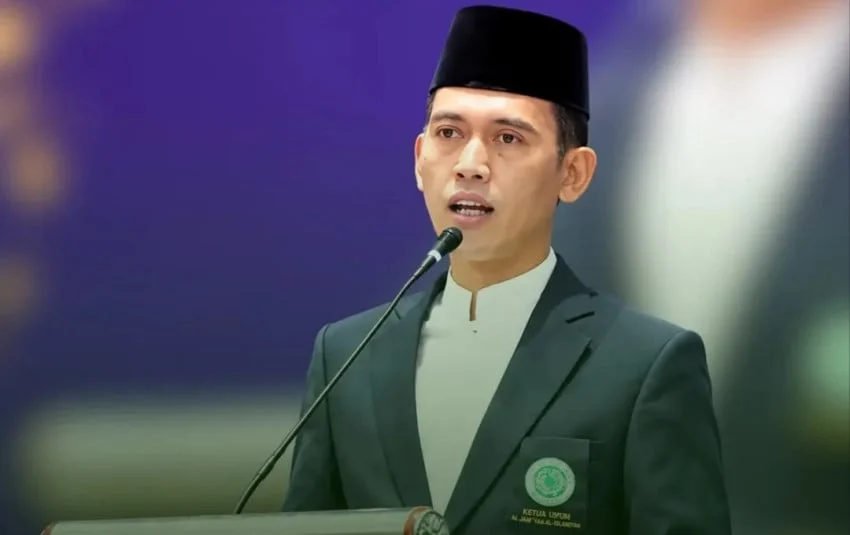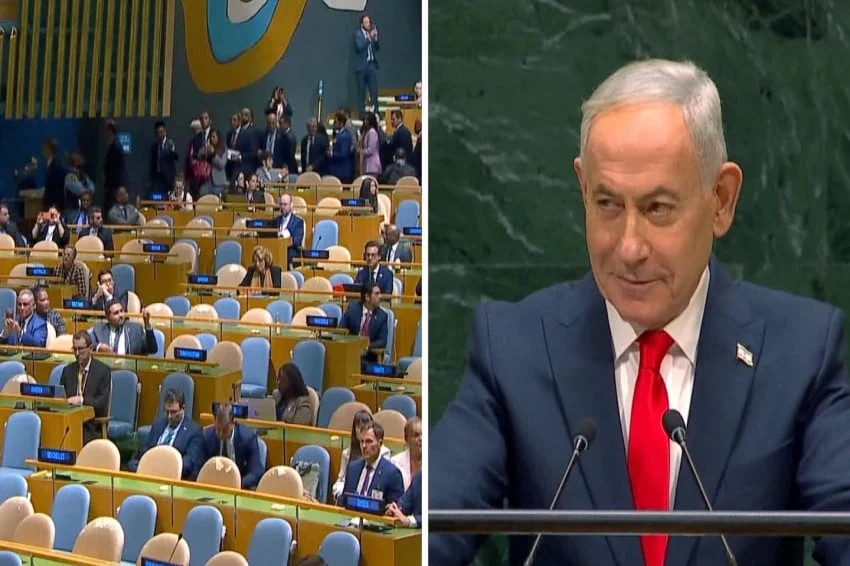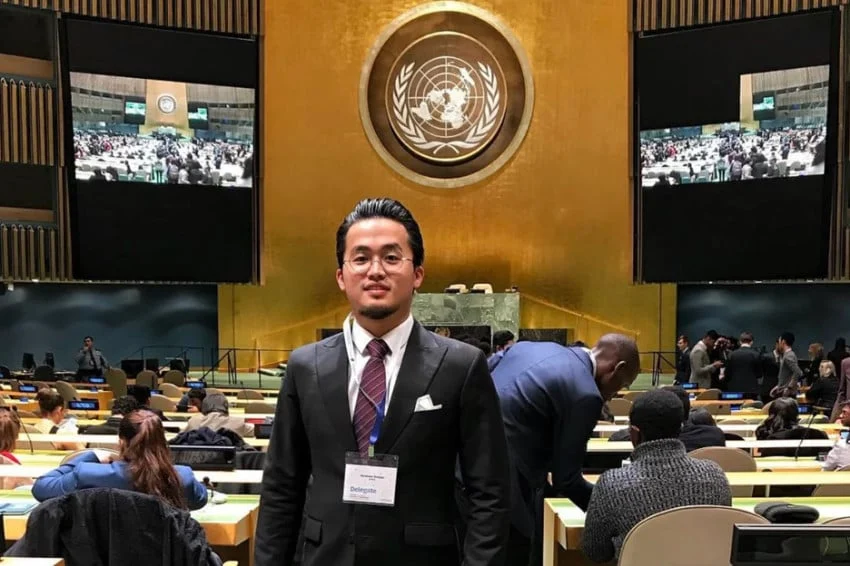
Jakarta — Tensions at the international diplomatic level heightened following a scathing rebuke from a senior Indonesian lawmaker directed at the Prime Minister of the Solomon Islands, Matthew Cooper Wale. Abraham Sridjaja, a member of Commission I of the House of Representatives (DPR) representing the Golkar Party faction, launched a fierce condemnation against the Pacific island leader following his speech at the United Nations General Assembly. During the global summit, the Solomon Islands premier once again raised contentious and unverified accusations concerning alleged human rights violations in Indonesia’s Papua region.
Sridjaja categorized the statements delivered at the international podium as reckless, entirely one-sided, and fundamentally detached from objective reality on the ground. The sharp critique underscores Jakarta’s ongoing sensitivity and defensive posture regarding international interventions concerning its easternmost provinces, where a low-level separatist insurgency has persisted for decades.
The diplomatic friction highlights a recurring point of contention within multilateral forums, where several Pacific Island nations periodically raise concerns regarding Papua. Indonesia, however, consistently maintains that its sovereignty over the region is absolute and that internal challenges are being addressed through legal frameworks, regional autonomy, and targeted development programs rather than systemic state-sponsored abuses.
A Breach of Diplomatic Norms and Accountability
In a formal press statement released following the UN address, Sridjaja did not hold back in his assessment of the speech delivered by the Solomon Islands head of government. He argued that utilizing the General Assembly as a platform to levy serious accusations against a friendly neighbor without substantiated proof represents a severe breach of diplomatic protocol and international responsibility.
“This is a careless statement, if not a foolish one,” Sridjaja stated. “A head of government stands at the UN podium, flinging accusations against a friendly nation, yet dares not state where the report originated, who compiled it, or how it was verified. They demand transparency from Indonesia, but the source of their own accusations is concealed. That is the definition of a double standard.”
The Indonesian lawmaker emphasized that the international community should exercise rigorous scrutiny before amplifying narratives promoted by foreign entities that lack verified local context. According to Jakarta, external commentary often overlooks the complex security dynamics of the region, specifically the violent campaigns waged by armed separatist factions against both civilian populations and state security apparatuses.
Shifting the Focus: Atrocities Committed by Armed Separatist Groups
Sridjaja countered the allegations of state-sponsored human rights abuses by drawing international attention to the violence routinely perpetrated by the West Papua National Liberation Army (TPNPB), the military wing of the Free Papua Organization (OPM), commonly referred to in Indonesia as the Armed Criminal Group (KKB). He argued that the primary and most destructive threat to human rights, safety, and the right to life for the people of Papua stems directly from these militant factions.
“The Prime Minister of the Solomon Islands speaks of Melanesian brotherhood,” Sridjaja remarked. “Then where is his voice when those same Melanesian brothers and sisters are shot, taken hostage, and murdered by the OPM?”
To substantiate his claims, the lawmaker outlined a detailed chronology of violent incidents that have plagued the Papua region over recent years. This empirical data aims to reframe the human rights debate, shifting the narrative from unverified allegations against Indonesian security forces to documented atrocities committed by separatist insurgents against innocent civilians, including indigenous Papuans, public servants, educators, and humanitarian workers.
Chronology of Violence and Security Incidents in Papua (2025–2026)
The data presented by Commission I highlights a persistent pattern of violence targeting non-combatants, critical infrastructure, and public service providers intended to uplift the socioeconomic conditions of the local population.
The timeline of recorded incidents underscores the severe security challenges faced by authorities in the region:
-
April 2025 (Yahukimo): A brutal massacre targeting gold panners resulted in the deaths of over a dozen civilian workers. Victims suffered fatal injuries from gunshots, machetes, and traditional arrows, illustrating the indiscriminate nature of the violence inflicted by armed groups on economic migrants and local laborers alike.
-
March 2025 (Anggruk, Yahukimo): The murder of a schoolteacher sent shockwaves through the local educational community. Concurrently, at least seven other teachers and healthcare personnel were subjected to physical assaults and intimidation. This wave of violence crippled educational and medical services across dozens of remote districts, depriving indigenous children and families of basic human necessities.
-
July 2026 (Yahukimo and Puncak Districts): Armed separatist elements launched attacks resulting in the burning of a pioneering humanitarian mission aircraft operated by Associated Mission Aviation (AMA). In addition to destroying vital logistical assets used to supply isolated communities, the attackers torched buildings and residential quarters utilized by educators at the Pinapa elementary school.
-
August 18, 2026 (Jila District, Mimika): In a harrowing display of brutality, a 48-year-old indigenous woman, Neregingget Magai, was shot and killed after refusing to be taken hostage by armed insurgents. During the same assault, another victim was violently thrown into a ravine, suffering severe fractures. The attackers also abducted nine women and girls, forcing them into the deep forest. The group of abductees alarmingly included three elementary school students and a pregnant teenager, sparking widespread condemnation from local community leaders.
-
September 9, 2026 (Jayawijaya Regency): Three Civil Servants (ASN)—identified as Aprida Rapi, Alfonsius Albinus Mehan, and Willi Mbuik—were ambushed and shot dead while fulfilling official duties to distribute humanitarian assistance and community supplies in the Muliama district. Investigations by the National Commission on Human Rights (Komnas HAM) subsequently revealed that the victims were brutally executed after being baselessly accused by the armed group of operating as state intelligence agents.
-
September 2026 (Wamena-Mbua Route): Aris Sanda, a commercial transport driver, was intercepted, taken hostage, and coerced under direct firearm threat to publicly declare support for Papuan independence. Following the forced political statement, he was executed, and his remains were left inside his vehicle, which the perpetrators subsequently set on fire.
Official Police Data and Regional Toll
Complementing the legislative warnings, official records from the Papua Regional Police provide a grim statistical overview of the human cost inflicted by insurgent activities. Data compiled between January and September 2026 indicates that 29 individuals lost their lives due to violent actions committed by armed groups within the Papua Highlands region alone. Out of this total, 25 were identified as innocent civilians, highlighting that the primary casualties of the separatist conflict are ordinary citizens striving to earn a livelihood and build communities, rather than legitimate military combatants.
Broader Diplomatic and Geopolitical Implications
The verbal clash at the United Nations General Assembly reflects the complex geopolitical dimensions surrounding the Papua issue. For decades, a coalition of small island developing states in the Pacific, occasionally led or influenced by nations such as the Solomon Islands and Vanuatu, has utilized international forums to advocate for self-determination in Western New Guinea. These diplomatic maneuvers often present domestic human rights concerns through a localized lens of anti-colonialism and ethnic solidarity.
Conversely, Jakarta maintains a strict red line regarding its territorial integrity. Indonesia’s foreign policy framework remains anchored in the principle of non-interference in internal affairs, while actively pursuing a strategy of "developmentalism"—pouring massive infrastructure investments, healthcare resources, and educational funding into the provinces of Papua, South Papua, Central Papua, and Highland Papua to accelerate modernization and improve the Human Development Index (HDI).
Analysts note that speeches delivered by Pacific leaders at global bodies like the UN serve dual purposes: addressing domestic political constituencies that harbor genuine sympathy for fellow Melanesian populations, and signaling international pressure on Jakarta. However, Indonesian officials argue that such rhetoric fails to engage with the complex realities on the ground, particularly the asymmetric warfare tactics employed by separatist groups that deliberately target civilian infrastructure to maintain a climate of fear.
The reaction from lawmakers such as Abraham Sridjaja signals that Indonesia will no longer let international criticism go unanswered. By aggressively shifting the discourse toward documented atrocities committed by insurgent groups, Jakarta aims to dismantle the moral authority of external critics who selectively ignore violence perpetrated against civilian populations by anti-government militias.
As the international community continues to monitor human rights developments globally, the discourse surrounding Papua remains a delicate balancing act between sovereign governance, security management, developmental progress, and international diplomacy. The strong stance adopted by the Indonesian parliament suggests that future diplomatic challenges from Pacific nations will be met with immediate, data-driven pushback aimed at defending the nation’s integrity and exposing the realities of security threats within the region.