
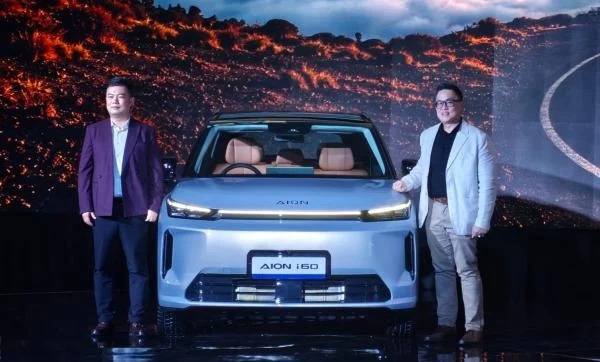
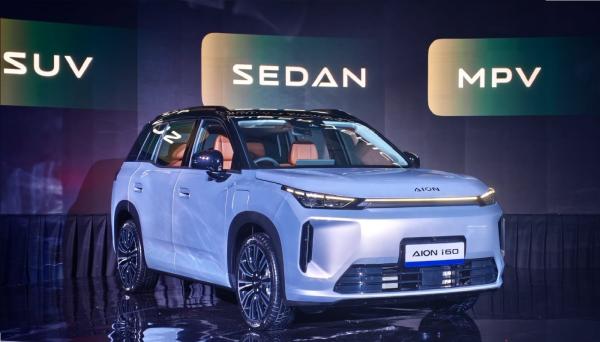
The automotive landscape in Indonesia experienced a significant shift on Saturday, November 7, 2026, as GAC Aion, through its local entity GAC Indonesia, officially introduced the Aion i60 to the public. The launch, held in the Senayan district of Jakarta, marks a milestone for the manufacturer as Indonesia becomes the inaugural international market to receive this vehicle following its debut in China. The Aion i60 is positioned as a strategic entry into the competitive Indonesian electric vehicle (EV) segment, aiming to blend the rugged utility of an SUV, the agile handling of a sedan, and the spacious interior of a multi-purpose vehicle (MPV).
Strategic Market Positioning and The All-Rounder Concept
The Aion i60 has been marketed under the branding of a "The All-Rounder Vehicle," a designation that speaks directly to the diverse needs of Indonesian consumers. In a market where family size and road versatility often dictate vehicle choice, the i60 attempts to bridge the gap between traditional combustion-engine utility and the modern efficiency of electric mobility.
Andrew Nasuri, Director of Indomobil Group, emphasized during the launch event that the introduction of the Aion i60 was a calculated move intended to address specific consumer pain points in Indonesia. "With this launch, we are providing a solution that aligns with the multifaceted requirements of our local market," Nasuri stated. By focusing on the integration of SUV, sedan, and MPV traits, GAC is attempting to capture a broader demographic, ranging from urban professionals seeking efficiency to families prioritizing cabin comfort and cargo capacity.
The Philosophy of Quality: A Corporate Mandate
Central to the messaging surrounding the Aion i60 is a commitment to rigorous quality control. Andry Ciu, CEO of GAC Indonesia, underscored the company’s internal strategy, which prioritizes manufacturing excellence above rapid market expansion. In his address to the media, Ciu emphasized, "GAC Indonesia is deeply focused on three fundamental pillars: quality, quality, and quality."
This emphasis on quality is significant within the context of the Indonesian EV market, which has seen an influx of various international brands over the past three years. For manufacturers, establishing a reputation for long-term durability and safety is essential for long-term survival. By highlighting quality as a non-negotiable metric, GAC is signaling to the Indonesian public that the Aion i60 is designed for longevity, aiming to dispel any lingering consumer skepticism regarding the build standards of newer electric vehicle entrants.
Design and Engineering: The Made for Equality Approach
Beyond the aesthetic appeal and the utility-driven design of the exterior, the interior engineering of the Aion i60 is rooted in what the company describes as the "Made for Equality" philosophy. Iqbal Taufiqurahman, Head of Product Strategy for GAC Indonesia, explained that this design language focuses on creating a balanced experience for every occupant.
In many SUV models, the rear-seat experience can often feel secondary to the front-cabin layout. The Aion i60 seeks to disrupt this hierarchy by ensuring that ergonomics, legroom, and technological interfaces are equitable across both rows. This approach is particularly relevant for the Indonesian market, where high vehicle occupancy is common and rear-seat comfort is a significant factor in purchasing decisions.

Contextualizing the Growth of the Indonesian EV Sector
The launch of the Aion i60 occurs against the backdrop of an aggressive national strategy to transition the Indonesian automotive sector toward electrification. The Indonesian government has been active in providing fiscal incentives, such as value-added tax (VAT) reductions and import duty exemptions, to bolster the adoption of electric vehicles.
According to data from the Association of Indonesian Automotive Industries (GAIKINDO), the sales of electrified vehicles—including hybrid and battery-electric models—have seen a consistent upward trajectory since 2023. This growth is supported by the increasing development of charging infrastructure across the archipelago, particularly in the Java-Bali corridor.
The arrival of the Aion i60 fits into a broader chronology of GAC’s expansion in Southeast Asia. Since its initial exploration of the Indonesian market in early 2025, GAC has moved quickly to establish a local presence, navigating regulatory frameworks and setting up a distribution network through strategic partnerships, most notably with the Indomobil Group.
Technical and Economic Implications
The introduction of the Aion i60 is likely to intensify competition within the mid-range electric SUV segment. By targeting a price point that balances advanced technology with accessibility, the i60 positions itself against established rivals that have already saturated the market.

From an economic standpoint, the vehicle’s launch is expected to have several implications:
- Supply Chain Localization: While the initial units may be imported, the commitment shown by GAC suggests a potential for future local assembly (Completely Knocked Down or CKD) in Indonesia. This aligns with the government’s push for increased local content requirements (TKDN) in the automotive industry.
- Infrastructure Utilization: As more vehicles like the Aion i60 enter the market, the demand for fast-charging stations will increase, potentially accelerating the pace of investment from both private energy companies and state-owned enterprises.
- Consumer Shift: The "All-Rounder" branding serves as a test case for whether Indonesian buyers are ready to move away from the traditional dominance of internal combustion engine (ICE) MPVs. If the i60 proves successful, it could signal a faster-than-anticipated transition toward full electrification in the mass-market segment.
Market Outlook and Future Prospects
As of late 2026, the Indonesian automotive sector is entering a phase of maturity where consumers are increasingly looking for more than just "electric" status; they are looking for value, safety, and brand reliability. GAC Indonesia’s decision to prioritize "quality" in its public discourse is a tactical effort to build long-term brand equity.
Furthermore, the "Made for Equality" philosophy suggests that GAC intends to market the i60 as a premium experience that remains accessible. By prioritizing passenger comfort, the company is directly challenging the perception that EVs are merely tech-gadgets on wheels, instead framing them as comfortable, practical daily drivers.
Moving forward, the success of the Aion i60 will likely depend on three critical factors: the reliability of the after-sales support network provided by Indomobil, the competitive pricing strategy in relation to existing hybrid models, and the real-world battery performance under Indonesia’s tropical climate and urban traffic conditions.
Conclusion: A New Era for GAC in Indonesia
The official launch of the Aion i60 marks a definitive step forward for GAC in its internationalization strategy. By choosing Indonesia as the first country to receive the vehicle after its domestic release in China, GAC has signaled that it views the Southeast Asian market as a cornerstone of its global business model.
As the Indonesian automotive market continues to evolve, the arrival of the Aion i60 provides a clear indicator of where the industry is heading. The transition from legacy systems to electric propulsion is no longer a niche interest; it is a mainstream competition. With its focus on versatility, cabin comfort, and rigorous quality standards, the Aion i60 is poised to become a significant player in the Indonesian electric vehicle landscape, reflecting the broader global shift toward sustainable and efficient personal mobility.
The coming months will be crucial for GAC Indonesia as they begin to deliver units to customers and gather real-world data on the vehicle’s performance. For the Indonesian consumer, the choice has never been more varied, and the entry of the Aion i60 offers a compelling new alternative in an increasingly electrified future.
