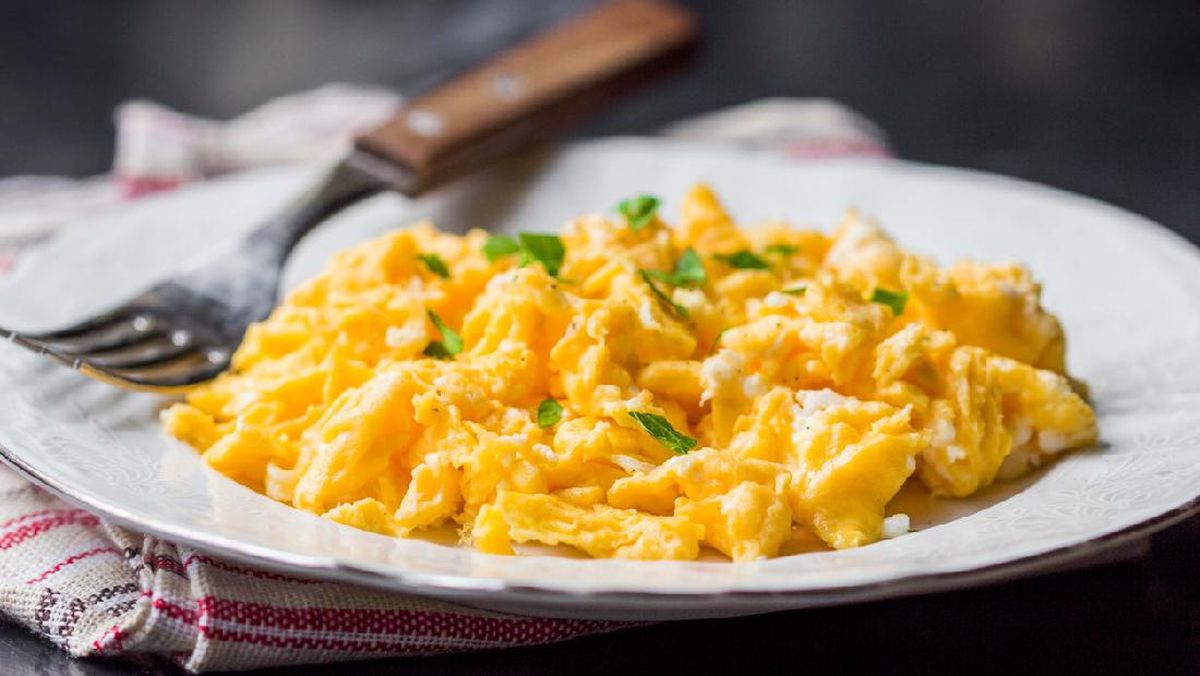
The humble egg remains a cornerstone of global culinary tradition, serving as a primary source of affordable, high-quality protein for millions of households worldwide. While its versatility allows for a myriad of preparations—from boiling and poaching to frying—the scrambled egg occupies a unique position in both domestic kitchens and professional culinary establishments. Despite its apparent simplicity, achieving the elusive, velvety texture characteristic of fine-dining scrambled eggs is a technique that often eludes the average home cook. Achieving the perfect result requires a precise understanding of the chemistry of protein coagulation, heat management, and fat emulsification.
The Science of Protein and Heat
At a fundamental level, the transformation of raw egg into a cohesive scramble is a lesson in thermodynamics and biochemistry. Eggs are composed primarily of water, proteins (such as ovalbumin and ovotransferrin), and lipids. When heat is applied, these proteins denature, transitioning from a folded, liquid state to a rigid, solid network.
Culinary experts, including those from the esteemed publication Serious Eats, emphasize that the yolks and whites of an egg coagulate at different temperatures. Without thorough agitation, the disparate parts of the egg cook unevenly, leading to a dish that is inconsistently textured, with tough rubbery bits interspersed with undercooked, runny liquid. The process of whisking, therefore, serves as the first critical stage in achieving a uniform product. Whisking not only breaks the bonds between the yolk and white but also incorporates air, which helps create a lighter, more voluminous structure once the proteins begin to solidify.
Chronology of Culinary Technique Evolution
The methodology for preparing scrambled eggs has evolved significantly over the last century. In the early 20th century, the dish was often treated as a utilitarian way to use surplus eggs, typically cooked at high heat until firm. However, the rise of French-style gastronomy introduced the concept of the "slow-scramble," a method popularized by legendary chefs who treated the egg with the same delicacy as a delicate sauce.
Recent trends in culinary arts have shifted toward precision. By the 1990s, the focus moved toward ingredient additives like heavy cream and cultured butter to stabilize the protein network. Today, the modern standard involves a rigorous adherence to low-heat application, a practice that gained widespread traction in the 2010s through educational platforms like The Kitchn and various televised culinary workshops. This timeline reflects a broader shift in home cooking: a transition from "cooking for survival" to "cooking for technique."
Essential Protocols for the Perfect Scramble
To replicate the quality found in high-end restaurant kitchens, home cooks must adhere to a series of scientifically validated steps that mitigate the risks of overcooking and protein toughening.
1. The Pre-Cook Salt Paradox
A common point of debate among chefs is the timing of seasoning. Scientific analysis suggests that adding salt to eggs prior to cooking is beneficial. Salt acts as a chemical agent that inhibits the protein strands from binding too tightly during the heating process. By preventing this aggressive cross-linking, the salt ensures the eggs remain tender and hydrated rather than becoming dry and granular.
2. The Role of Dairy Emulsifiers
The integration of fats and liquids, such as heavy cream, milk, or crème fraîche, is a hallmark of professional technique. These additions perform two distinct functions. First, they physically dilute the protein matrix, making it harder for the proteins to form a dense, rubbery structure. Second, they elevate the coagulation temperature of the egg mixture. This provides the cook with a larger margin of error, preventing the eggs from seizing up instantly upon contact with the heat source.
3. Fat Management: The Butter Factor
Fat is a critical component in the texture and flavor profile of the dish. While many home cooks use minimal oil, professional kitchens rely on generous portions of high-quality butter. The butter serves a dual purpose: it acts as a non-stick medium and contributes to the mouthfeel. Adding a knob of cold butter at the very end of the cooking process—a technique known as "mounting"—cools the mixture slightly, arresting the cooking process and creating a glossy, rich finish that is highly sought after in gourmet preparations.
4. The Discipline of Low-Heat Cooking
The most significant factor in the failure of homemade scrambled eggs is the use of excessive heat. When eggs are subjected to high temperatures, the protein strands contract rapidly and forcefully, squeezing out the water trapped within the matrix. This leads to the "leaking" effect, where the eggs appear watery, while the solids become tough and chewy. Cooking over low heat allows for a slow, gentle transition from liquid to soft, delicate curds. This process requires patience, as the eggs must be stirred continuously to ensure that every portion of the mixture is exposed to the heat uniformly.
5. Residual Heat and Timing
Perhaps the most crucial, yet frequently overlooked, step is the removal of the eggs from the heat source while they still appear slightly underdone. Eggs carry significant residual heat; they will continue to cook for 30 to 60 seconds after being removed from the pan. Experienced chefs understand that if the eggs look perfectly cooked while still in the pan, they are already overcooked by the time they reach the plate.
Broader Economic and Nutritional Implications
The global reliance on eggs as a staple food is supported by their exceptional nutritional density. Eggs provide high-biological-value protein, essential amino acids, and vital micronutrients such as choline, lutein, and vitamin D. From an economic standpoint, the egg remains one of the most cost-effective sources of animal protein globally.
The fluctuations in the global egg market, often impacted by supply chain disruptions, feed costs, and avian health concerns, highlight the importance of maximizing the utility of this ingredient. When home cooks master the technique of preparing eggs perfectly, they reduce food waste—a significant issue in both household and commercial settings. By understanding the science behind the preparation, consumers can elevate a basic, affordable ingredient into a meal that rivals the quality of professional dining, thereby maximizing both the nutritional and economic value of their groceries.
Conclusion: A Synthesis of Science and Art
In summary, the preparation of restaurant-quality scrambled eggs is less about the equipment used and more about the mastery of heat and timing. By incorporating the strategic use of salt, fats, and, most importantly, the discipline of low-temperature cooking, home cooks can transform a simple breakfast staple into a sophisticated culinary experience. The transition from a "dry scramble" to a "creamy, velvet-textured dish" is a testament to the fact that when culinary technique is aligned with the chemical properties of food, even the simplest ingredients can reach their full potential. As culinary education continues to democratize, these professional techniques are becoming the standard for the modern home, proving that excellence in the kitchen is accessible to anyone willing to apply the principles of rigorous, scientific cooking.