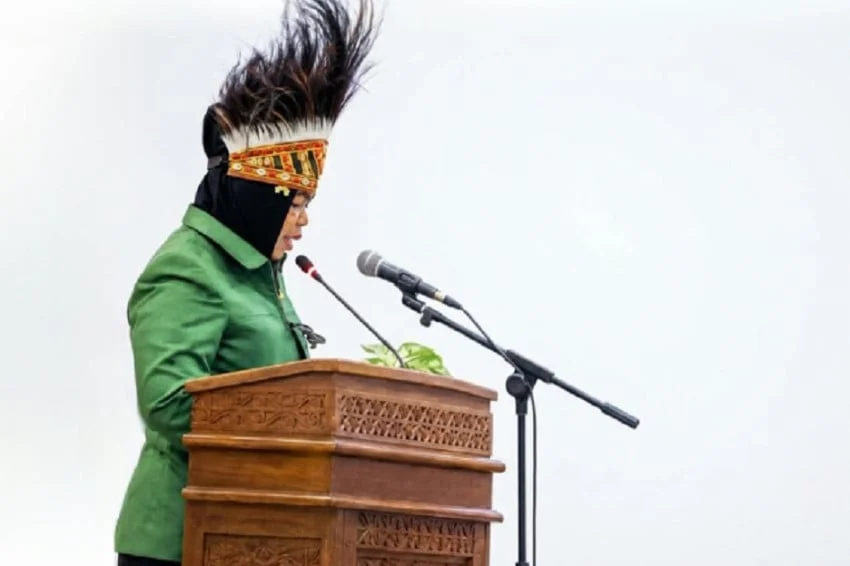
The legislative body of Mimika Regency, Papua, has recently concluded a pivotal session regarding the fiscal adjustments for the 2026 fiscal year. During the second plenary meeting of the third session of the Mimika Regional People’s Representative Council (DPRK), officials finalized the budget for the Revised Regional Revenue and Expenditure Budget (APBD-P), which stands at a substantial Rp6.1 trillion. This significant financial allocation has prompted intense scrutiny from local legislators, who are emphasizing the transition from mere administrative spending to high-impact economic development for the local populace.
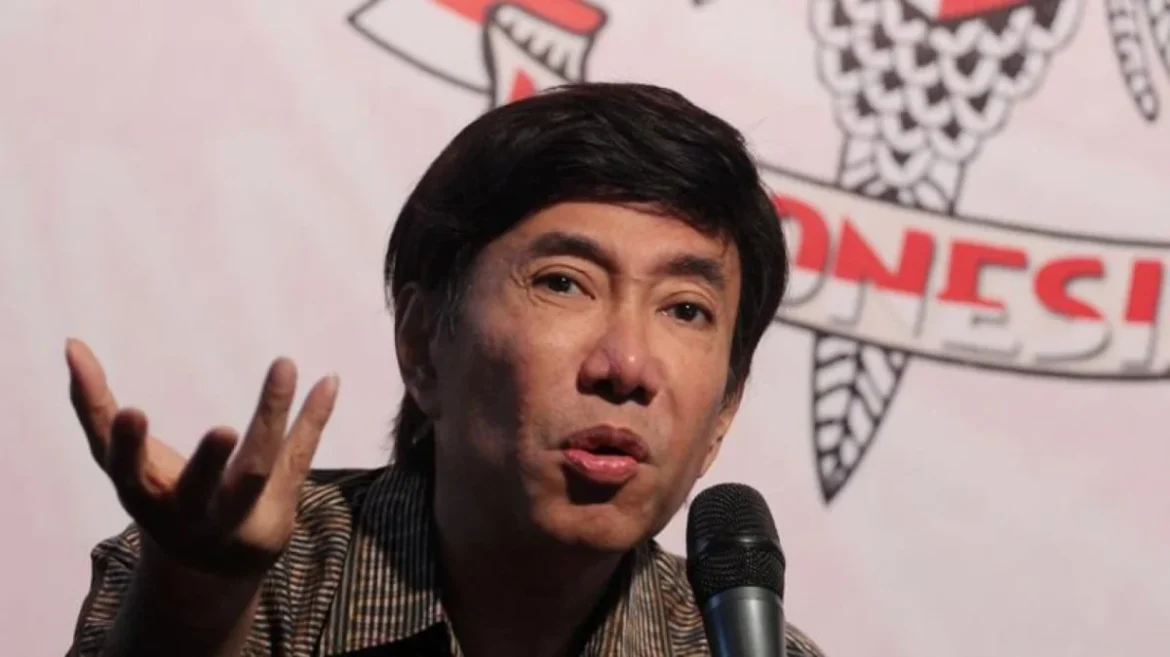
Rampeani Rachman, a member of the DPRK Mimika representing the Perindo Party, served as a primary voice in advocating for a paradigm shift in how these funds are utilized. Presenting the general views of the Eme Neme Yauware Faction, Rachman underscored that the magnitude of the budget must be met with equally robust accountability, transparency, and a focus on tangible community welfare.
The Fiscal Landscape of Mimika in 2026
The Rp6.1 trillion budget reflects the unique economic standing of Mimika, a region heavily influenced by the mining industry, particularly the presence of PT Freeport Indonesia. Historically, Mimika has possessed one of the highest regional budgets in Eastern Indonesia, owing to its status as a resource-rich regency. However, the challenge of converting this mineral wealth into sustainable, non-extractive economic growth remains the central hurdle for local policymakers.
In the 2026 fiscal cycle, the regional government has faced mounting pressure to address infrastructure gaps, healthcare accessibility, and the diversification of the local economy. The revision of the APBD is a standard procedural step, allowing the local government to adjust its revenue projections and expenditure plans based on the realization of income during the first half of the year. This year, the adjustment process has been characterized by a drive to stimulate the informal sector and small-to-medium enterprises (SMEs) that have struggled to keep pace with the region’s broader economic indicators.
Chronology of the Legislative Process
The deliberation process for the APBD-P 2026 began in early September, following the submission of the Draft Revised APBD by the executive branch. The process involved several stages of committee reviews and factional debates.
- Submission Phase (Early September 2026): The executive branch proposed the draft, highlighting the need for budget adjustments to accommodate increased operational costs and unforeseen developmental needs.
- Committee Review (Mid-September 2026): The DPRK’s budget committee reviewed the allocations, specifically questioning the cost-benefit analysis of major capital projects.
- Plenary Sessions (Late September 2026): The final plenary meetings provided the platform for factions, including Eme Neme Yauware, to state their formal positions. Rampeani Rachman’s address during the second plenary session on September 28 served as a formal caveat to the executive branch, demanding that the approved budget be executed with precision.
The Stance of the Eme Neme Yauware Faction
In her address to the plenary, Rampeani Rachman highlighted a recurring issue in regional governance: the tendency for budget realization to focus on the speed of expenditure rather than the quality of the outcomes. "Perubahan APBD must not merely be a reflection of financial capacity; it must ensure that every allocation has a clear, measurable benefit for the development and the people of Mimika Regency," Rachman stated.
The Eme Neme Yauware Faction, which she represented, has been vocal about the need for "pro-people" programs. These include, but are not limited to, food security initiatives, vocational training for local youth, and the improvement of public service facilities in remote districts. Rachman argued that the Rp6.1 trillion figure should act as a catalyst for economic independence, ensuring that the regency is not permanently reliant on volatile commodity prices.
Economic Implications and Strategic Analysis
The allocation of a budget of this scale carries significant economic implications for a region like Mimika. Economists have long pointed out that while large budgets provide the government with the "fiscal space" to intervene, the execution often suffers from bureaucratic bottlenecks.
For the 2026 budget to truly impact the local economy, the following pillars must be prioritized:
- Multiplier Effect in Public Spending: Government projects should prioritize the use of local contractors and labor. This ensures that the capital injected into the economy remains within the district rather than leaking out to contractors based in other provinces.
- Infrastructure for Connectivity: With the geography of Mimika encompassing both coastal and highland areas, infrastructure spending must focus on bridging the gap between isolated communities and urban markets.
- Inflation Management: In high-budget regions, government spending can sometimes lead to localized inflation. Careful management of supply chains for goods and services, funded by the APBD-P, is essential to ensure that the purchasing power of the average citizen remains stable.
Challenges in Budget Absorption
A recurring challenge for the Mimika Regency administration has been the timing of budget absorption. Historically, a significant portion of capital expenditures is executed in the final quarter of the year. This "end-of-year rush" often leads to compromised project quality and lack of oversight.
The call from the DPRK, led by figures like Rachman, is a direct challenge to this cycle. By insisting on "clear and measurable" programs, the legislative body is essentially calling for a shift in project management—moving from reactive spending to proactive implementation that begins as soon as the budget is legalized.
The Broader Context: Good Governance in Papua
The situation in Mimika is reflective of a wider trend across the provinces of Papua, where there is an increasing demand for accountability. With the implementation of Special Autonomy funds alongside the regular APBD, the total financial influx into the region is substantial. Critics and observers, including civil society organizations, have argued that the success of these funds should be measured by the Human Development Index (HDI) of the local population rather than the mere number of projects completed.
The involvement of parties like Perindo, through representatives such as Rampeani Rachman, signals a growing maturity in the local legislative process. By framing the discussion around the "economic impact on the people," the legislative body is aligning itself with the expectations of the public, who are increasingly tech-savvy and informed about how government funds are being utilized.
Looking Ahead: The Need for Rigorous Oversight
As the 2026 fiscal year progresses into its final months, the focus of the DPRK will inevitably shift to oversight. Monitoring the implementation of the Rp6.1 trillion budget will require sustained cooperation between the legislative and executive branches.
Future plenary sessions are expected to include progress reports on the specific projects mentioned by the Eme Neme Yauware Faction. Should the executive branch fail to meet the "clear and measurable" standard set by the legislature, it is expected that the council will use its budgetary powers to restrict or redirect funds in the subsequent fiscal year.
Ultimately, the goal is to transform the Rp6.1 trillion budget from a static financial document into a dynamic tool for social change. Whether this will lead to a demonstrable improvement in the lives of the residents of Mimika remains to be seen, but the firm stance taken by the DPRK represents a necessary step toward the professionalization of regional budget management in Indonesia. The expectation is that by the close of the 2026 fiscal year, the narrative will no longer be about how much was spent, but how much was achieved in terms of sustainable growth and poverty alleviation for the people of Mimika.