The recent volcanic activity of Mount Anak Krakatau has blanketed surrounding regions in fine volcanic ash, posing a severe and often underestimated threat not only to the exterior aesthetics of automobiles and motorcycles, but also to their intricate internal mechanics. Unlike ordinary household dust or urban smog, volcanic ash consists of pulverized rock, glass shards, and mineral crystals. These microscopic particles possess jagged, highly abrasive surfaces capable of acting like liquid sandpaper when interacting with moving mechanical parts, painted metal, and sensitive electrical grids. While most vehicle owners instinctively rush to wash the exterior body panels, automotive and geological experts emphasize that external cleaning represents only the first line of defense. Left unaddressed, microscopic ash particles trapped within vital engine bays, braking systems, and cooling matrices can lead to catastrophic mechanical failures, reduced operational lifespans, and costly repair bills.
Background Context and Geological Characteristics of Volcanic Particulate Matter
To comprehend the severity of the threat posed by Mount Anak Krakatau, one must examine the unique mineralogical composition of volcanic debris. Situated in the Sunda Strait between the islands of Java and Sumatra, Mount Anak Krakatau—the "Child of Krakatoa"—frequently produces explosive Strombolian to Vulcanian eruptions. These events pulverize solidified magmatic rock into fragmental material measuring less than two millimeters in diameter.
According to geological surveys conducted by institutions such as the United States Geological Survey (USGS) and local volcanology agencies, volcanic ash is hard, chemically inert under normal atmospheric conditions, and extremely abrasive. Because the particles are jagged and non-spherical, they do not roll over surfaces like desert sand; instead, they slide and cut. When these sharp fragments infiltrate engine lubrication systems, intake manifolds, or sliding brake calipers, they accelerate the wear of metal components through three-body abrasion. Even minor concentrations of ash circulating within an engine’s oil supply can erode cylinder walls, piston rings, and bearings within a remarkably short operational window. Furthermore, volcanic ash can become mildly corrosive or electrically conductive when mixed with ambient moisture or rain, compounding the hazards for modern vehicles equipped with complex electronic control units (ECUs) and sensitive wiring harnesses.
Chronology and Timeline of Exposure Risks
The accumulation of volcanic ash on civilian infrastructure typically follows a distinct timeline that dictates the urgency and nature of vehicle maintenance responses.
Phase One occurs during the active ash-fall event. As plumes drift downwind from Mount Anak Krakatau, vehicles parked outdoors or driven through affected thoroughfares accumulate layers of heavy particulate matter. During this initial phase, the primary danger stems from improper immediate responses—such as drivers frantically activating dry windshield wipers or blasting surfaces with compressed air—which inadvertently embeds abrasive particles into glass and paint, or forces dust deep into crevices.
Phase Two unfolds in the immediate aftermath, lasting from 24 to 72 hours post-eruption. During this critical window, vehicles that have ingested ash through their air intakes begin to experience internal friction. Drivers who attempt normal daily commutes without inspecting filtration systems expose their engines to accelerated wear. Fine particles bypass degraded or overwhelmed air filters, initiating micro-abrasions on internal combustion components.
Phase Three encompasses the long-term maintenance recovery period, extending weeks after the eruption ceases. Residual ash settles into secondary locations, including chassis members, brake drums, air-conditioning condenser fins, and cabin ventilation ducts. Without comprehensive professional detailing and mechanical inspections, this residual particulate matter absorbs humidity, hardens into a cement-like crust, and causes chronic mechanical binding, sensor failures, and premature component degradation.
Detailed Component Inspection and Vulnerability Analysis
Mitigating the hidden dangers of volcanic ash requires a systematic inspection of seven critical vehicle subsystems. Transport authorities and certified automotive technicians strongly advise vehicle owners in ash-affected zones to systematically evaluate the following components:
-
Engine Air Intake and Filtration Systems
The engine air filter serves as the primary barrier preventing environmental particulates from entering the combustion chamber. Volcanic ash quickly loads the pleats of standard paper or cotton-gauze filters, severely restricting airflow. If the filter becomes saturated or compromised, high-velocity suction draws abrasive particles directly past the filtration medium. According to USGS findings, even minor breaches in the air induction system allow particulate matter to infiltrate the cylinders, scoring cylinder walls and destroying piston rings. Vehicle owners must inspect their air filters immediately following an ash-fall event, replacing them entirely if they exhibit heavy gray accumulation, clogging, or structural deformation. -
Braking Systems and Friction Components
Modern automotive braking systems rely on tight tolerances between brake pads, rotors, drums, and hydraulic calipers. When volcanic ash settles in these areas—often mixing with existing brake dust and road grime—it forms an exceptionally abrasive paste. This compound accelerates the wear of brake pads and scores rotor surfaces. Moreover, particulate buildup inside drum brakes or around sliding caliper pins can cause brakes to drag, overheat, or fail to release properly. Vehicles subjected to heavy ash environments require thorough pressure-washing of the wheel wells and braking assemblies, preferably followed by a professional mechanical inspection to ensure slide pins and pads move freely. -
Radiators and Engine Cooling Matrices
Maintaining optimal operating temperatures depends heavily on unobstructed airflow through the cooling fins of the vehicle’s radiator. Volcanic ash easily packs into the microscopic gaps between these metallic cooling fins, creating an insulating blanket that inhibits heat dissipation. As the engine struggles to shed heat, operating temperatures rise, increasing the risk of thermal fatigue, warped cylinder heads, or catastrophic overheating. Technicians recommend flushing radiator fins from the engine side outward using low-pressure water to dislodge trapped debris without bending delicate aluminum fins. -
Air-Conditioning Condensers and Cabin Air Filters
Vehicle climate control systems draw ambient air directly from the exterior cowl vent, making them highly susceptible to ash ingestion. Particulate matter accumulates rapidly on the cabin air filter and coats the evaporator and condenser cores. If neglected, moist air within the HVAC system can transform the trapped ash into a hardened, cement-like block that emits foul odors, reduces airflow, and damages blower motor resistors. Owners should replace cabin air filters and utilize the climate control system’s internal recirculation mode exclusively while navigating ash-affected regions. -
Windshields, Windows, and Wiper Assemblies
Perhaps the most common error committed by motorists is the premature activation of windshield wipers upon encountering ash-covered glass. Because volcanic ash acts as a mineral abrasive, dragging rubber wiper blades across dry, ash-laden glass creates deep, irreversible scratches across the driver’s field of vision. Furthermore, the sharp particles tear and ruin the rubber elements of the wiper blades themselves. Standard operating procedure dictates thoroughly saturating the glass with copious amounts of water or washer fluid to float the abrasive particles away before attempting any mechanical wiping or washing. -
Electrical Systems, Alternators, and Wiring Harnesses
Modern vehicles rely on intricate networks of electronic sensors, wiring looms, and computer modules. While engine bays are generally sealed, fine volcanic ash has a habit of permeating even rubber weather-stripping. When dry, this dust acts as an electrical insulator; however, when combined with high humidity, morning dew, or rain, the ash deposit can become mildly conductive or corrosive. This moisture-laden ash can bridge electrical terminals, causing erratic sensor readings, alternator failure, or short circuits within the engine management system. Vehicles exposed to heavy ash accumulation require professional cleaning of the engine bay using specialized dielectric cleaners and compressed air applied with extreme caution. -
Engine Lubrication and Internal Mechanical Health
The ultimate consequence of unmanaged volcanic ash exposure manifests inside the crankcase. If compromised air filtration allows particulate matter to bypass the intake, the ash mixes directly with engine oil. Because the mineral particles are harder than the metallic components they contact, contaminated oil effectively transforms into a lapping compound. This slurry accelerates wear on camshaft lobes, valve guides, bearings, and oil pumps. Mechanics strongly advise conducting an immediate oil and filter change if a vehicle has operated extensively during a heavy ash fall, ensuring that any abrasive micro-particles are completely drained from the system before they can cause terminal engine failure.
Correct Cleaning Protocols and Professional Recommendations
Avoiding secondary damage during the cleanup process is just as critical as identifying vulnerable components. Industry experts and emergency response agencies emphasize specific protocols to protect vehicle integrity:
Never use dry cloths or dusters to wipe down vehicle surfaces. Doing so drags abrasive mineral crystals across clear coats and glass, resulting in extensive micro-scratches that ruin automotive finishes.
Exercise extreme caution when utilizing compressed air. While blowing out an engine bay or air filter housing might seem efficient, high-pressure air streams can force fine ash deeper into sensitive electrical connectors, past rubber seals, and directly into breathable areas where it poses severe respiratory hazards to the operator.
Prioritize wet washing techniques. Utilize a gentle, high-volume flow of water—such as from a garden hose—to cascade water over the vehicle from top to bottom, floating the ash away from paint and glass without friction. For stubborn deposits, automotive-grade car shampoo provides necessary lubrication to lift particles safely.
Limit unnecessary vehicle operation. Transport authorities strongly advise citizens living in zones impacted by Mount Anak Krakatau eruptions to keep vehicles parked in enclosed garages or under protective car covers whenever possible. Restricting vehicle use during active ash falls dramatically minimizes cumulative exposure, preserving mechanical longevity and reducing the burden on local repair infrastructure.
Broader Economic and Logistical Implications
The ripple effects of a volcanic eruption extend far beyond immediate geological hazards, directly impacting regional mobility, economic productivity, and logistical supply chains. In regions heavily impacted by Mount Anak Krakatau’s ash plumes, transportation networks experience sudden slowdowns as motorists navigate reduced visibility and slippery road surfaces. Commercial fleet operators face profound economic challenges; logistics companies relying on trucks and delivery vans must absorb unexpected maintenance downtime, accelerated filter replacements, and increased parts wear.
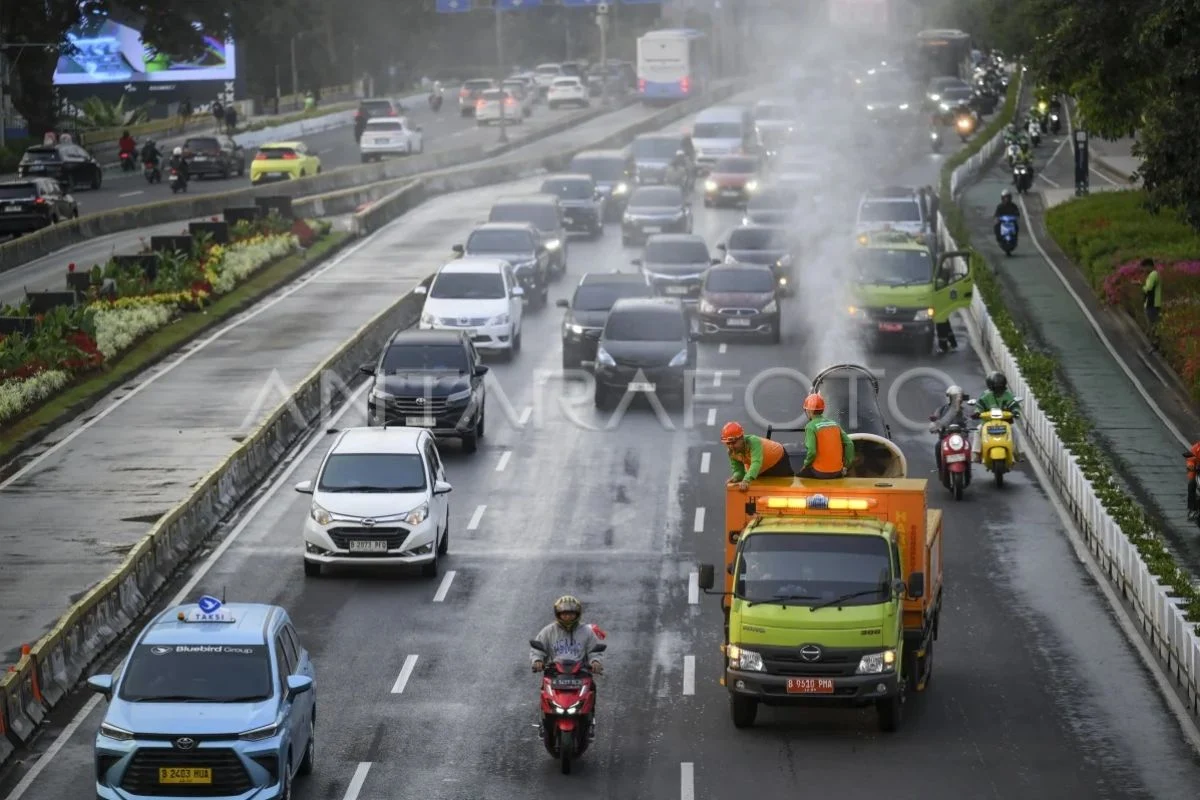
Unscheduled vehicle maintenance strains local automotive service centers, creating backlogs for routine repairs and straining supplies of replacement air filters, brake components, and lubricants. Furthermore, public transportation fleets—including buses and municipal vehicles—require rigorous overnight maintenance protocols to ensure passenger safety and prevent mid-route mechanical breakdowns. Local governments often deploy specialized heavy machinery, such Articulated Water Cannons (AWCs) and street sweepers, to clear roadways of thick ash accumulations, preventing passing traffic from whipping the abrasive dust back into the air and onto parked vehicles.
By understanding the insidious nature of volcanic particulates and adhering to disciplined, methodical post-eruption maintenance schedules, vehicle owners can successfully safeguard their investments against the destructive forces of nature. Comprehensive inspection of air intake, braking, cooling, electrical, and lubrication systems ensures that the impact of Mount Anak Krakatau’s volcanic activity remains a temporary environmental inconvenience rather than a permanent mechanical disaster.