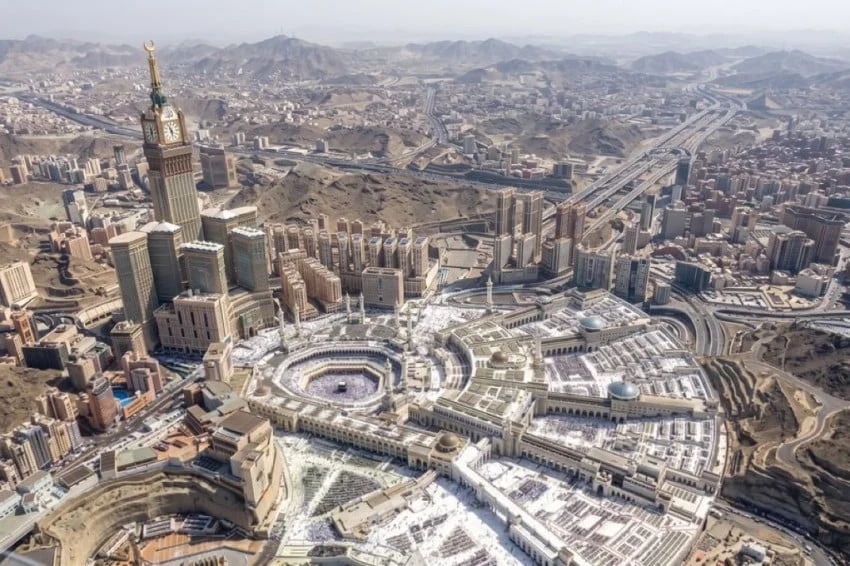
The recent drone attack targeting the holy city of Mecca, orchestrated by Houthi forces from Yemen, has sent shockwaves across the Islamic world, prompting immediate high-level diplomatic reactions and raising critical questions regarding regional defense pacts. Prime Minister of Pakistan Shehbaz Sharif led the international condemnation on Wednesday, vehemently denouncing the hostile aerial maneuver while reiterating Islamabad’s steadfast commitment to the security and sovereignty of the Kingdom of Saudi Arabia. The incident, which highlights the persistent trans-border security threats facing the Arabian Peninsula, has reignited geopolitical discussions concerning the potential activation of mutual defense frameworks often referred to in strategic discourse as the Mecca Alliance, involving key regional military powers such as Pakistan and Turkey.
The attempted aerial assault on Islam’s holiest site underscores a dangerous escalation in the protracted Yemeni conflict, which has continually spilled over Saudi borders despite various international peace initiatives. As diplomatic channels buzz with urgent consultations, military analysts and political observers are closely monitoring whether this direct provocation against a universally revered religious sanctuary will catalyze a unified military response from traditional allies of the Saudi monarchy.
Chronology and Details of the Aerial Incursion
According to preliminary defense reports and official statements, the incident unfolded in the skies above Mecca as Royal Saudi Air Defense forces detected and successfully intercepted incoming hostile unmanned aerial vehicles (UAVs). While precise physical damages or civilian casualties remain minimal due to the rapid response of Saudi missile defense batteries, the psychological and religious implications of targeting Mecca have magnified the gravity of the event.
The Royal Saudi Air Force and ground-based air defense units acted with what officials have termed a high degree of professionalism and vigilance. The early warning radar systems tracked the incoming drones launched from Houthi-controlled territories in Yemen, neutralizing the airborne threats before they could reach populated sectors or critical infrastructure within the holy precinct. This event mirrors a historical pattern of cross-border asymmetric warfare that the Houthi movement has increasingly utilized against civilian and strategic assets in Saudi Arabia and the United Arab Emirates over the past decade.
Pakistan’s Official Stance and Regional Solidarity
Reacting swiftly to the provocation, Pakistani Prime Minister Shehbaz Sharif took to social media and official diplomatic channels to express profound outrage. In an unequivocal statement posted on the platform X, Sharif stated, "I very strongly condemn the cowardly and heinous drone attack attempt targeting the Holy Site of Mecca," adding that the entire population of Pakistan felt a deep sense of sorrow and agitation over the brazen assault on the spiritual heart of the Islamic faith.
Sharif explicitly praised the combat readiness, alertness, and advanced tactical capabilities of the Royal Saudi Armed Forces. By highlighting the professionalism of the Saudi military, Islamabad signaled its continued confidence in the Kingdom’s defensive posture while concurrently emphasizing the imperative of regional stability. Furthermore, the Pakistani Prime Minister urged all stakeholders involved in the broader regional conflict to exercise maximum restraint. He cautioned against any disproportionate military retaliation that could trigger a wider conflagration, reiterating that sustained diplomatic engagement and political dialogue remain the only viable pathways to achieving lasting peace in Yemen and the wider Middle East.
Geopolitical Context: The Prospect of the Mecca Alliance

The thwarted drone attack has once again focused international attention on the concept of collective security arrangements between Saudi Arabia and its traditional Muslim allies, informally discussed under the umbrella of the Mecca Alliance. Historically, Saudi Arabia maintains deep-rooted bilateral security cooperation treaties and informal defense understandings with nations like Pakistan and Turkey, both of which possess formidable military capabilities.
Pakistan, as a declared nuclear power with one of the largest standing armies in the Muslim world, has long maintained a special defense relationship with Riyadh. This relationship historically encompasses military training missions, advisory roles, and strategic defense pacts designed to protect the territorial integrity of the Kingdom. Similarly, Turkey has increasingly projected its strategic influence across the Middle East and the Gulf region through defense industry exports, joint military exercises, and counter-terrorism cooperation.
While no formal declaration of military activation has been officially announced by the governments in Islamabad or Ankara in response to this specific incident, political analysts suggest that persistent threats against the holy sites of Mecca and Medina represent a universally acknowledged red line. Any sustained or successful attack on these locations could fundamentally alter the strategic calculus, compelling regional partners to transition from diplomatic condemnation to active military or logistical assistance under existing bilateral defense frameworks.
Implications of Houthi Escalation on Middle Eastern Stability
The latest provocation by Houthi forces arrives at a delicate juncture for Middle Eastern geopolitics. Following fragile regional de-escalation efforts, including diplomatic normalization between Saudi Arabia and Iran—the primary backer of the Houthi movement—incidents of this magnitude threaten to unravel fragile peace talks.
The persistence of advanced drone and missile technology within non-state actor arsenals presents a continuous challenge to regional air defense architecture. The capability of the Houthis to project power across hundreds of kilometers to target religious and economic hubs demonstrates the limitations of localized ceasefires and highlights the necessity of comprehensive, inclusive political settlements in Yemen.
From an economic and religious tourism perspective, the sanctity and security of Mecca are paramount. Millions of pilgrims travel to the city annually for Hajj and Umrah. Any sustained security threat not only destabilizes the Kingdom of Saudi Arabia but also creates immense anxiety globally among the world’s nearly two billion Muslims. Consequently, international stakeholders, including the United Nations and Western powers, are expected to increase pressure on Houthi leadership to cease hostile cross-border operations permanently.
Conclusion and Outlook
As diplomatic fallout from the attempted drone strike continues to unfold, the international community remains watchful of Riyadh’s next strategic moves. While Prime Minister Sharif’s call for maximum restraint points toward a preference for diplomacy, the underlying tension cannot be ignored. The defense of Mecca remains an existential and emotional imperative for the Islamic world, ensuring that any future transgressions will be met with severe geopolitical consequences and potentially draw closer alignment from the broader coalition of Saudi allies.