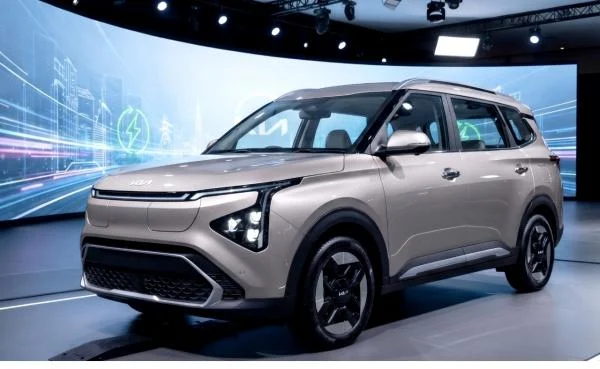
Kia has officially initiated the pre-order phase for its latest zero-emission vehicle, the all-electric Kia Carens EV, marking a significant milestone in the South Korean automaker’s aggressive electrification strategy within the Southeast Asian market. Following its highly anticipated debut as a concept vehicle at the Gaikindo Indonesia International Auto Show (GIIAS) 2026, the production-ready model is now available for reservation. With an estimated on-the-road (OTR) price range of IDR 382 million to IDR 432 million in Jakarta, the Carens EV is positioned to disrupt the local MPV segment by offering a blend of sustainable performance and family-oriented versatility.
The Evolution of the Kia Carens: From Concept to Production
The journey of the Carens EV reflects Kia’s broader global transformation under its "Plan S" strategy, which aims to secure a leading position in the electric vehicle (EV) market. When the concept was unveiled at GIIAS 2026, it garnered substantial interest due to its departure from traditional internal combustion engine (ICE) utility vehicles. The transition from a concept showcase to an open-order system in such a short timeframe underscores Kia’s logistical readiness and commitment to the Indonesian automotive landscape.
For many years, the Carens nameplate was synonymous with practical, high-capacity family transportation. By electrifying this iconic model, Kia is signaling a shift where sustainability no longer requires a sacrifice in utility. The move is strategically timed as the Indonesian government continues to incentivize the adoption of battery-electric vehicles (BEVs) through various tax exemptions and infrastructure development initiatives, creating a fertile ground for competitively priced electric MPVs.
Engineering and Performance Specifications
At the heart of the Kia Carens EV’s appeal is its flexible architecture. Recognizing the diverse needs of modern families, Kia has confirmed that the vehicle will be offered with two distinct battery configurations: a Standard Range and a Long Range option. While specific kilowatt-hour (kWh) capacities are pending final certification, industry insiders suggest that these options are designed to balance daily urban commuting efficiency with the capacity for long-distance intercity travel.
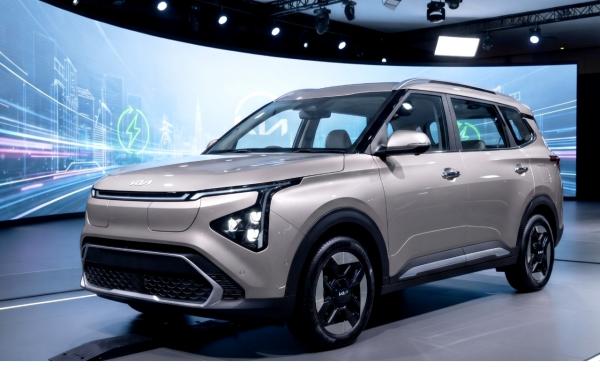
The vehicle is built on a dedicated EV platform that maximizes interior space without compromising structural integrity. This platform allows for a choice between six or seven-seat configurations. The six-seat layout, likely featuring captain seats in the second row, targets families prioritizing comfort, while the seven-seat configuration maintains the brand’s traditional reputation for maximizing passenger capacity.
Design Language: The Digital Tiger Face
The Carens EV introduces a refined aesthetic language that Kia calls the "Digital Tiger Face." This design evolution replaces the traditional radiator grille with a sleek, aerodynamic front fascia, emphasizing the vehicle’s electric powertrain. Key design highlights include:
- Star Map LED Connected DRLs: These integrated lighting elements provide a signature look that is both modern and instantly recognizable, incorporating fluid turn-signal indicators.
- Aerodynamic Efficiency: The vehicle features crystal-cut dual-tone aero alloy wheels, which are specifically engineered to reduce drag and improve overall battery range.
- Star Map LED Connected Tail Lamps: Matching the front design, the rear lighting provides a cohesive, high-tech appearance that enhances visibility and road presence.
Interior Comfort and Technological Integration
Inside the cabin, the Carens EV is designed to function as a "living space on wheels." The centerpiece of the dashboard is a massive 26.6-inch Dual Panoramic Display, which serves as the hub for navigation, infotainment, and vehicle diagnostics. The cabin ambiance is customizable through a 64-color ambient lighting system, allowing drivers to tailor the interior environment to their preferences.
To ensure a premium experience, Kia has prioritized comfort features that are increasingly becoming standard in the premium EV segment:
- Dual Pane Panoramic Sunroof: This feature enhances the sense of space within the cabin, providing a more open feel for passengers in both the first and second rows.
- Audio Excellence: A bespoke Bose eight-speaker audio system provides high-fidelity sound, compensating for the near-silent operation of the electric motor.
- Health and Wellness: A Smart Pure Air Purifier with an integrated Air Quality Index (AQI) display ensures that cabin air remains free of pollutants—a critical feature for families navigating urban environments with high traffic density.
- Ergonomic Seating: The front seats are equipped with a ventilation system, an essential feature for the tropical climate of Indonesia, providing cooling relief during long drives.
Strategic Market Positioning and Economic Impact
The pricing strategy—estimated between IDR 382 million and IDR 432 million—places the Carens EV in a highly competitive bracket. By targeting this price point, Kia is directly challenging both established Chinese EV manufacturers and traditional Japanese internal combustion engine MPVs.

The adoption of EVs in Indonesia has seen a compound annual growth rate (CAGR) that exceeds general automotive industry trends. Kia’s entry into this segment suggests a move to capture the "middle-market" consumer who is hesitant to pay luxury prices for an EV but desires the convenience of a spacious family vehicle. Analysts note that if Kia can maintain these price points after the official launch, the Carens EV could significantly shift the market share balance in the country’s high-volume MPV sector.
Industry Context and Future Outlook
The launch of the Carens EV coincides with a period of rapid development for Indonesia’s EV ecosystem. With the government’s focus on domestic battery production and the expansion of charging infrastructure along the Trans-Java toll road, the barrier to entry for prospective EV owners is lower than ever.
Kia’s local partner in Indonesia has indicated that the reservation process will include prioritized delivery for early adopters who place their deposits during the current window. This "early bird" phase is intended to gauge demand levels and finalize production schedules for the coming fiscal year.
Furthermore, the introduction of the Carens EV is expected to have a ripple effect on the aftermarket and service sectors. Kia has committed to expanding its service center capabilities to include specialized high-voltage training for technicians, ensuring that the Carens EV receives the same level of support as the brand’s ICE lineup.
Expert Analysis: Why the Carens EV Matters
From an analytical perspective, the Carens EV is not just another product launch; it represents a pivot point for the brand. Kia has historically relied on its SUV and crossover lineup to drive sales. By bringing an electric variant to the MPV segment, the company is demonstrating its ability to adapt its core competency—versatility—to the electric era.

The competition in this space is fierce. Other manufacturers have already introduced entry-level electric hatchbacks and sedans, but the "family MPV" space remains relatively underserved by established global brands at this price point. If the Carens EV succeeds, it could set a new benchmark for how legacy automakers should transition their most successful models into the electrified future.
Conclusion: A New Era for Indonesian Families
As Kia moves forward with the pre-order phase, the focus will shift to the final production specifications and the official launch event. Potential buyers are encouraged to visit authorized Kia dealerships or the brand’s official online portal to secure their place in the delivery queue.
The Carens EV is a testament to the fact that the transition to electric mobility is becoming increasingly inclusive. By combining the aesthetic appeal of a modern crossover with the functional requirements of a family MPV, Kia has positioned the Carens EV to be a pivotal player in Indonesia’s automotive evolution. As the industry looks toward 2027 and beyond, the success of this model will likely serve as a litmus test for the widespread adoption of family-oriented electric vehicles in emerging markets.
For now, the automotive community and potential consumers await further updates regarding final battery range certifications and the specific release date for the first fleet of units to hit Indonesian roads. With the combination of aggressive pricing, modern technology, and the trusted Carens pedigree, Kia is undoubtedly poised to make a significant impact on the road ahead.