The sprawling metropolis of Jakarta is preparing to welcome one of the most anticipated global entertainment events of the decade, as organizers officially project that the upcoming YE Live in Jakarta 2026 concert will serve as a monumental catalyst for Indonesia’s tourism sector and creative economy. Scheduled to take place on October 24, 2026, at the iconic Gelora Bung Karno Main Stadium (SUGBK), the massive event is expected to draw tens of thousands of music enthusiasts from across the globe. Beyond the auditory and visual spectacle promised for the single-night arena performance, economic analysts and industry stakeholders are closely monitoring the profound ripple effects this scale of live entertainment brings to the nation’s hospitality, retail, and transport industries.
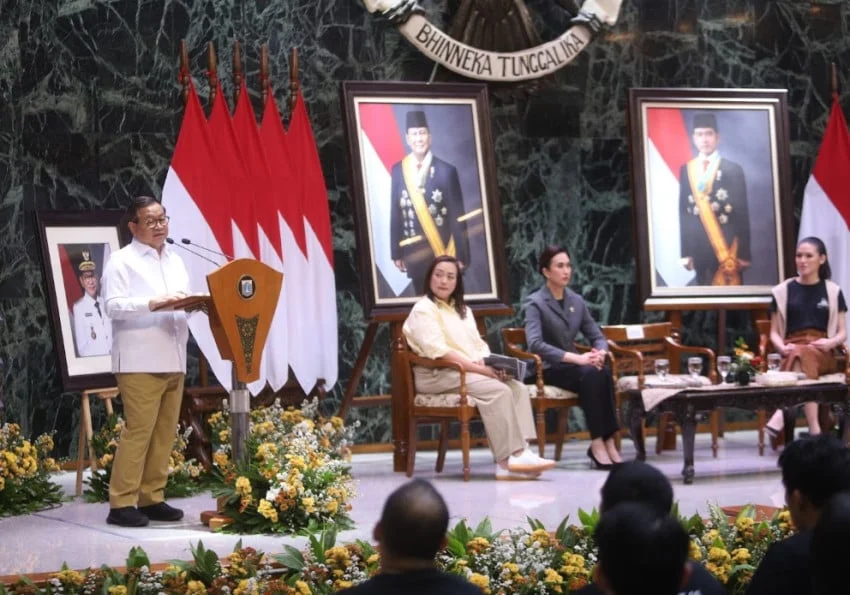
During a formal press briefing held at Jakarta City Hall on Tuesday, September 15, 2026, event organizers revealed extensive metrics detailing the international appeal of the tour. The data underscores Jakarta’s rising status as a premier hub for world-class entertainment, cementing the Indonesian capital’s reputation on the competitive global touring map. With extensive planning already underway, the concert is anticipated to welcome more than 11,000 foreign tourists who will travel specifically to witness the performance, injecting substantial foreign exchange revenue directly into the domestic economy.
Strategic Positioning and Global Significance
The decision to host the concert in Jakarta carries immense strategic value for the region. Notably, Jakarta stands as the sole destination across Southeast Asia and Oceania selected to host a stop on the current global itinerary of the YE 2026 tour. This exclusive positioning places the Indonesian capital ahead of traditional regional entertainment strongholds, signaling a major shift in how international promoters view the logistical capacity, market readiness, and infrastructure of the country.
Speaking during the Tuesday conference, Karen Tjahja, the Marketing and Communications Lead for Raw Vision Collective, emphasized the gravity of this milestone. She noted that securing this singular regional status is a vital momentum builder for demonstrating Indonesia’s operational preparedness on the global live entertainment stage.
"Jakarta as the only city in Southeast Asia and Oceania to be part of the YE tour this year is an important momentum to show that Indonesia is ready to be on the global live entertainment map," Tjahja stated.
Industry insiders point out that hosting an exclusive regional tour stop creates a captive audience effect. Fans residing in neighboring countries who wish to experience the production live have no alternative destination within Southeast Asia, making Jakarta the epicenter of regional tourism traffic for late October 2026. This geographic exclusivity naturally elevates demand for cross-border travel, setting the stage for record-breaking occupancy rates in local accommodations and heightened activity across aviation and ground transportation networks.
Unprecedented International Ticket Sales and Market Demographics
The immense global demand for the concert manifested almost immediately when tickets officially went on sale. According to localized sales analytics released by the organizing committee, the initial 24-hour sales window yielded unprecedented figures that shattered previous regional benchmarks. Most remarkably, 52.8 percent of all tickets purchased during this critical opening window were secured by international fans hailing from 73 distinct countries, alongside domestic buyers.
The geographic diversity of the ticket purchasers highlights the far-reaching appeal of the artist and the magnetic draw of the Jakarta concert. Substantial purchasing volumes originated from long-haul markets, including the United States, several major European nations, Japan, Hong Kong, and the United Kingdom. Furthermore, Jakarta successfully captured demand from across seven distinct micro-markets in the immediate Asia-Pacific region, with significant blocks of tickets sold to travelers from Singapore, Malaysia, Thailand, Vietnam, the Philippines, and Australia.
This high conversion rate of international buyers validates the thesis that large-scale cultural events function as powerful drivers of inbound tourism. Rather than viewing the concert as a localized evening event, tourism authorities view it as the anchor attraction of a multi-day itinerary. Consequently, national tourism boards and private sector partners are collaborating to ensure that these incoming travelers extend their stays, exploring cultural and natural destinations well beyond the boundaries of the capital city.
Multi-Sectoral Economic Impact and Tourism Integration
The economic implications of welcoming more than 11,000 international visitors—accompanied by thousands of domestic tourists traveling from outside the Greater Jakarta area—extend far beyond ticket revenues. Modern music tourism operates as a comprehensive economic multiplier, touching nearly every vertical of the service and hospitality industries.
Hotels, boutique lodgings, and short-term rentals within proximity to the Gelora Bung Karno complex in Central Jakarta are already anticipating near-capacity bookings for the final week of October 2026. Beyond lodging, the influx of affluent travelers is projected to drive robust spending in the food and beverage sector, ranging from high-end dining establishments to authentic local culinary ventures. Retail centers, shopping malls, and entertainment districts throughout the city are expected to curate special promotions and localized events to capture the surge in foot traffic.
Furthermore, Karen Tjahja highlighted the secondary tourism potential generated by major events of this magnitude. Music acts as a primary catalyst, giving international travelers a compelling reason to make the initial journey to Jakarta. Once they arrive, travel agencies and tourism boards are actively positioning the event as a gateway for extended exploration. Tourists are encouraged to transition from the urban dynamism of Jakarta to rich cultural and ecological destinations across the archipelago, such as Yogyakarta, Bali, or regional ecotourism villages.
This integration aligns closely with broader national objectives to promote sustainable tourism, spread economic benefits to secondary destinations, and encourage longer average lengths of stay among international visitors. By leveraging the immense drawing power of global pop culture, Indonesia effectively markets its diverse tourism portfolio to an audience that might not have otherwise considered the country as a primary vacation destination.
Capacity Building and Local Talent Empowerment
Beyond the immediate financial injections into hospitality and tourism, the execution of an international production of this scale serves a vital developmental function for Indonesia’s domestic creative economy. Hosting events that adhere to strict global touring standards requires a high degree of technical proficiency, logistical coordination, and professional collaboration.
Organizers have emphasized that the planning and execution phases of the YE Live in Jakarta 2026 concert are heavily reliant on local industry professionals. From stage design, audio-visual engineering, and crowd management to security protocols, marketing, and hospitality management, Indonesian workers are integrated directly into the core production teams. This hands-on collaboration offers local talent an invaluable opportunity to work alongside international experts, absorbing best practices and operational methodologies used on world tours.
This knowledge transfer contributes significantly to the long-term professionalization of Indonesia’s live entertainment sector. As domestic technicians, producers, and creative directors gain direct experience with mega-scale stadium productions, the overall capacity of the local industry rises. Consequently, Indonesia strengthens its foundational readiness to attract and autonomously manage future Tier-1 global tours, creating a self-sustaining ecosystem of creative and technical excellence.
Chronology and Event Preparations: The Road to October 24, 2026
The journey toward bringing the YE Live in Jakarta 2026 concert to fruition represents months of rigorous bidding, logistical planning, and multi-agency coordination between international promoters and municipal authorities in Jakarta. The timeline of key milestones outlines the methodical approach taken to ensure the event’s success:
- Early Q1 2026: Initial exploratory talks and logistical feasibility studies conducted by Raw Vision Collective and international management to evaluate Gelora Bung Karno’s stadium infrastructure, transit connectivity, and hospitality capacity.
- Mid-Q2 2026: Formal confirmation of Jakarta as the exclusive Southeast Asian and Oceanian stop on the tour itinerary, setting off a wave of anticipation across regional fan communities.
- August 2026: Comprehensive security, traffic management, and crowd control planning initiated in coordination with the Jakarta Provincial Government and local law enforcement agencies to guarantee public safety during the massive gathering.
- Early September 2026: Official ticket sales launch, recording the historic 24-hour milestone where 52.8 percent of purchases originated from international fans across 73 countries.
- September 15, 2026: Official press conference held at Jakarta City Hall, featuring key stakeholders detailing the projected economic contributions, tourism synergies, and capacity-building opportunities for local professionals.
- Late September to Early October 2026: Rollout of targeted tourism campaigns, promotional packages, and extended travel itineraries designed to encourage international concertgoers to explore Indonesian destinations beyond Jakarta.
- October 24, 2026: Execution of the YE Live in Jakarta 2026 concert at the Gelora Bung Karno Main Stadium, culminating months of preparation and marking a high point for Indonesia’s event tourism calendar.
Fact-Based Analysis of Broader Implications
An objective analysis of the YE Live in Jakarta 2026 concert reveals several key takeaways regarding the evolving landscape of Indonesia’s economic and cultural strategy.
First, the event underscores the growing importance of the "experience economy." Modern consumers, particularly younger demographics worldwide, increasingly prioritize experiential spending over material goods. International tours function as focal points for this behavior, generating massive travel mobility that traditional tourism campaigns often struggle to achieve organically. By capturing over 52 percent of its opening-day sales from an international base spanning dozens of countries, the concert demonstrates that Jakarta possesses the global brand equity required to attract high-value travelers.
Second, the logistical success of hosting an exclusive regional event places heightened pressure on municipal infrastructure. Managing more than 11,000 foreign visitors alongside tens of thousands of domestic fans necessitates flawless coordination in public transportation, airport handling, hotel capacities, and emergency services. The collaborative framework established between event organizers and the Jakarta Provincial Government during the September press briefing signals a proactive approach to managing these logistical demands.
Finally, the intentional focus on integrating local creative professionals ensures that the economic benefits are not merely transient. While hotel occupancy spikes and retail spending offer immediate fiscal relief and growth, the technical expertise gained by Indonesian workers lays the groundwork for a more resilient and capable creative industry in the future. As Indonesia continues to position itself as a central player in the global entertainment economy, events like YE Live in Jakarta 2026 serve as both a celebration of contemporary culture and a strategic investment in the nation’s economic future.