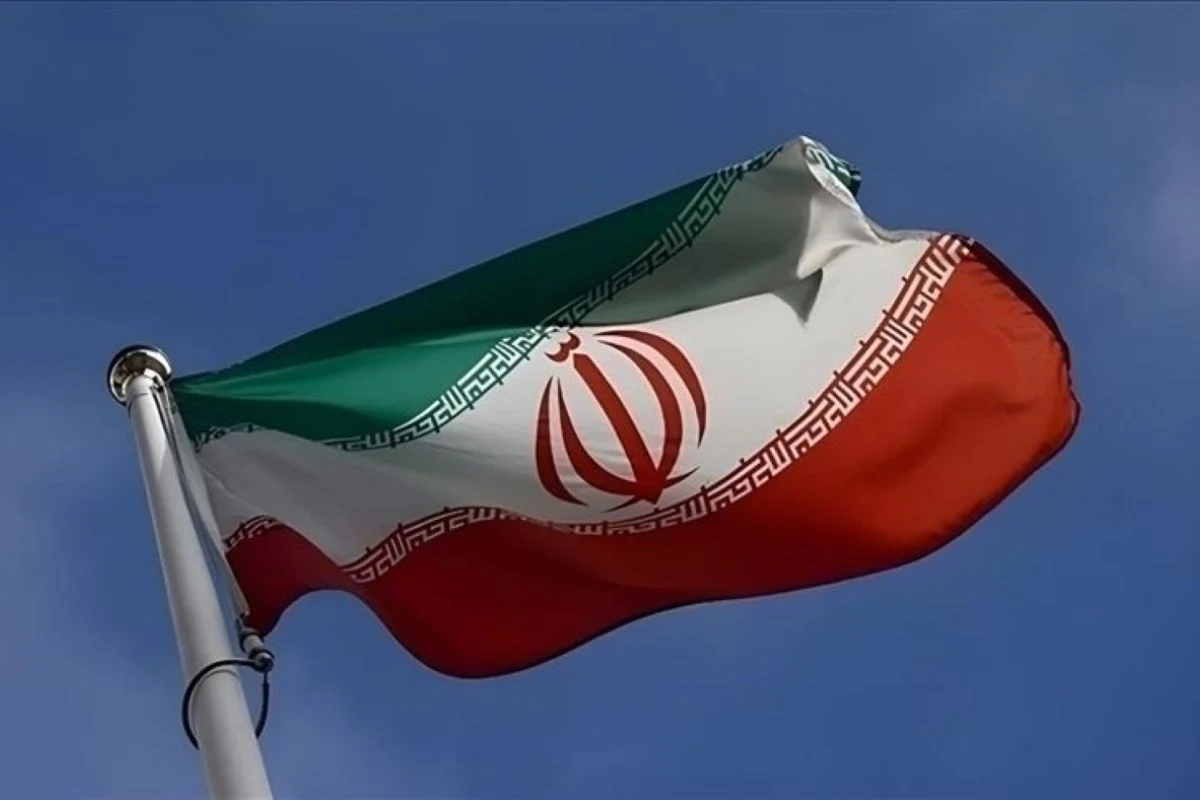
Jakarta (ANTARA) – Iran’s national currency has been under an intense global spotlight, caught in the crosscurrents of escalating geopolitical tensions and punitive international economic policies. The administration of former U.S. President Donald Trump notably intensified these pressures, reimposing and expanding sanctions that included tariffs of up to 25 percent on nations engaging in business cooperation with Iran. This aggressive stance, often referred to as the "maximum pressure" campaign, has had profound repercussions on the Iranian economy, most visibly manifested in the dramatic weakening of its national currency.
The ripple effect of these policies has been catastrophic for the Iranian Rial (IRR). Recent records indicate that the rial plunged to unprecedented lows against major international currencies, particularly the Euro, a stark indicator of the severe economic strain inflicted by prolonged sanctions and rampant domestic inflation. However, a curious paradox emerges when one ventures into Iran’s bustling traditional bazaars or modern shopping centers: the term "rial" is conspicuously absent from everyday transactional dialogue. Instead, local vendors and shoppers instinctively refer to prices in "toman." This linguistic divergence from the official currency unit underscores the deep-seated economic challenges facing the nation and the creative adaptations adopted by its populace to navigate a turbulent financial landscape.
This phenomenon is not merely a linguistic quirk but a direct consequence of persistent and extreme inflation that has eroded the rial’s purchasing power over decades. To simplify commercial exchanges and avoid handling astronomically large numbers for everyday items, Iranians adopted the "toman" as a practical, informal unit of account. This informal system, deeply ingrained in daily life, has often bewildered tourists and international economic observers attempting to grasp the true value of goods and services in Iran. The chasm between the legally mandated currency and its colloquial counterpart highlights a nation grappling with economic instability and striving for practical solutions in the face of adversity. The subsequent sections will delve into the official status of Iran’s currency, unravel the fundamental distinctions between the rial and the toman, trace the historical context of Iran’s economic woes, and analyze the government’s ambitious redenomination policy aimed at formalizing the toman and stabilizing the financial system.
The Official Currency of Iran: The Rial
Legally and administratively, the Iranian Rial (IRR) remains the official currency of the Islamic Republic of Iran. All formal financial activities, including banking operations, government documents, official price listings in modern retail establishments, and international transactions, are denominated in rials. Banknotes and coinage issued by the Central Bank of Iran (CBI) bear the denomination in rials. Its international currency code, IRR, is recognized globally, making it the de jure standard for Iran’s financial system. This official designation ensures that Iran adheres to international financial protocols, despite the domestic complexities of its currency usage. However, the official status belies a reality where its practical application in daily life is largely superseded by an informal alternative.
The Rial and Toman: A Deep Dive into Iran’s Dual Currency System
Despite the rial’s official standing, its presence in the daily transactions of ordinary Iranians is almost non-existent. In marketplaces, small shops, and even during informal services, the term "toman" reigns supreme. This informal adoption has historical roots, stemming from a previous currency system where a toman was a unit of ten rials. Over time, particularly as inflation began its relentless assault on the rial’s value, the definition of a toman evolved in common usage to represent a significantly larger value, primarily to simplify calculations involving large numbers of rials.
In contemporary informal usage, one toman is widely understood to be equivalent to 10,000 rials. This significant simplification means that four zeros are effectively dropped from the rial denomination when converting to toman for conversational purposes. For instance, an item officially priced at 50,000 rials would be casually referred to as 5 toman. If a vendor states a price of 60,000 toman, the actual amount to be paid in rials is 600,000 rials. This informal conversion mechanism, while practical for locals, often creates considerable confusion for foreign visitors who are unfamiliar with the dual system, leading to potential misunderstandings and even overpayments.
The historical trajectory of the rial’s depreciation made this simplification necessary. Persistent high inflation meant that prices rapidly escalated into hundreds of thousands, then millions of rials, making simple calculations cumbersome. By informally adopting the toman, Iranians could discuss prices in smaller, more manageable numbers, effectively performing a mental redenomination in their daily lives. This practice underscores the resilience and adaptability of a population navigating severe economic instability. The psychological aspect of dealing with smaller numbers also contributes to the widespread acceptance of the toman, making transactions feel more tangible and less overwhelming than handling vast sums of rials.
The Geopolitical Landscape and the Rial’s Plunge
The dramatic weakening of the Iranian rial is inextricably linked to the complex and often hostile geopolitical environment surrounding Iran. A pivotal moment came with the U.S. withdrawal from the Joint Comprehensive Plan of Action (JCPOA), commonly known as the Iran nuclear deal, in May 2018, under the Trump administration. This move unilaterally re-imposed and subsequently expanded a sweeping array of sanctions that had been lifted following the 2015 agreement.
The "maximum pressure" campaign aimed to cripple Iran’s economy and force it to renegotiate the nuclear deal and curb its regional influence. These sanctions targeted crucial sectors of Iran’s economy, including:
- Oil Exports: The lifeblood of Iran’s economy, oil exports were severely curtailed, dramatically reducing the government’s foreign exchange earnings. Countries purchasing Iranian oil faced secondary sanctions, effectively pressuring them to cease trade.
- Banking and Financial Transactions: Iranian banks were largely cut off from the global financial system, making international trade and remittances exceedingly difficult. This isolation stifled foreign investment and restricted Iran’s ability to access its funds held abroad.
- Shipping and Ports: Sanctions extended to Iran’s maritime industry, further complicating its ability to export goods and import essential supplies.
- Metals, Mining, and Automotive Sectors: Specific industries were also targeted, limiting their capacity for production and export.
The immediate consequence was a sharp depreciation of the rial. For instance, prior to the JCPOA in 2015, the unofficial exchange rate hovered around 35,000 rials to the U.S. dollar. Following the U.S. withdrawal and the re-imposition of sanctions, the rial’s value plummeted. By late 2018, it had surpassed 100,000 rials to the dollar, and by 2020-2021, it frequently breached 250,000 and even 300,000 rials to the dollar in the unofficial market. Against the Euro, similar drastic drops were observed, sometimes reaching levels where 1 Euro commanded well over 300,000 rials. This relentless depreciation has fueled hyperinflation, making imported goods prohibitively expensive and eroding the purchasing power of Iranian households. The psychological impact of seeing the national currency lose value so rapidly has also contributed to a loss of public confidence in the economy.
Iran’s Economic Crisis: Inflation and Its Ramifications
The factors contributing to the weakness of Iran’s currency are multi-faceted, with geopolitical pressures acting as a significant accelerant to pre-existing economic vulnerabilities.
- Sanctions: As detailed, the primary external driver of the rial’s depreciation is the comprehensive U.S. sanctions regime. By severely limiting Iran’s ability to export oil and access international financial markets, sanctions starve the country of crucial foreign currency reserves. This scarcity of hard currency makes imports more expensive and puts immense downward pressure on the rial’s exchange rate. The inability to freely conduct international trade also leads to supply chain disruptions and higher costs for businesses.
- High Inflation: Iran has grappled with high and often accelerating inflation for decades. Structural issues such as government budget deficits, expansionary monetary policies (printing money), and a heavy reliance on oil revenues that are susceptible to global price fluctuations and sanctions, have contributed to this chronic problem. When the government faces revenue shortfalls, it often resorts to borrowing from the Central Bank, which effectively injects more money into the economy without a corresponding increase in goods and services, thus driving up prices. Inflation rates have frequently been in the double digits, and at times, well into the triple digits for specific goods and services, leading to a constant erosion of the rial’s value. In 2022 and 2023, inflation rates consistently hovered above 40-50 percent, making it one of the highest globally.
- Economic Mismanagement and Corruption: While sanctions play a major role, internal factors, including perceived economic mismanagement, lack of diversification away from oil, and issues of corruption, have also been cited by critics as contributing to the country’s economic woes. Inefficient state-owned enterprises, a complex regulatory environment, and challenges in attracting non-oil foreign direct investment further hinder economic growth and stability.
- Capital Flight: Uncertainty and instability often lead to capital flight, where individuals and businesses move their assets out of the country in search of more stable investments abroad. This outflow of capital further drains foreign currency reserves and weakens the domestic currency.
- Parallel Market Operations: The official exchange rate often differs significantly from the rate found in the unregulated parallel or black market. This discrepancy arises from the scarcity of foreign currency at the official rate and the high demand for it. The parallel market often reflects the true economic pressures and can exacerbate the official currency’s weakness by creating a benchmark for its depreciation.
These factors combine to create a vicious cycle where sanctions lead to currency depreciation, which fuels inflation, further eroding purchasing power and public confidence, making economic recovery exceedingly difficult.
The Redenomination Initiative: Formalizing the Toman
Recognizing the long-standing confusion and practical difficulties caused by the rial-toman dichotomy and the sheer magnitude of numbers involved in transactions, the Iranian government, through the Central Bank of Iran (CBI), embarked on a significant currency reform: redenomination. The process began officially in 2020 and is planned for wider, gradual implementation between 2025 and 2026.
The core of this policy is to formally replace the rial as the primary currency unit with a new version of the toman. The key mechanism involves dropping four zeros from the existing rial denomination. Under this new scheme, 10,000 old rials will officially be equivalent to 1 new toman. This move effectively legalizes the informal conversion rate that has been in common use for years.
Furthermore, the new toman will be divided into smaller fractional units called "qirans." One new toman will be equivalent to 100 qirans, mirroring the decimal system of many international currencies (e.g., 1 dollar = 100 cents). This aims to provide a more practical and flexible currency system for smaller transactions.
Timeline and Implementation:
- 2019-2020: The Iranian parliament approved a bill to remove four zeros from the national currency and change its name from rial to toman. The Guardian Council, Iran’s constitutional watchdog, subsequently approved the bill.
- Early Stages (2020-2024): The CBI began preparatory work, including designing new banknotes and coins. Initial releases of banknotes might feature smaller nominal values, sometimes with "shadow" zeros to signify the impending change and help the public adjust.
- Phased Transition (2025-2026): The full transition is expected to be gradual. Old rial banknotes and new toman banknotes will likely circulate concurrently for a period, allowing the public and businesses to adapt without immediate disruption. This dual circulation period is crucial for a smooth transition, preventing panic and ensuring liquidity.
Objectives of Redenomination:
- Simplification of Transactions: The primary goal is to simplify daily financial calculations and reduce the psychological burden of dealing with very large numbers, making transactions more efficient for both consumers and businesses.
- Reducing Printing Costs: Handling banknotes with many zeros requires more paper and ink, and these notes also wear out faster due to higher circulation. Redenomination aims to reduce these costs.
- Psychological Impact: By presenting smaller, more manageable numbers, the government hopes to instill a greater sense of confidence in the currency and mitigate the psychological effects of hyperinflation, even if the underlying economic issues persist.
- Aligning with Public Practice: Formalizing the toman acknowledges and validates the informal system already adopted by the public, bridging the gap between official policy and everyday reality.
- Improving International Perception: A simplified currency system might present a more stable image to international investors, although deeper economic reforms and geopolitical stability are far more crucial for attracting foreign capital.
However, it is crucial to understand that redenomination is primarily a cosmetic change. While it simplifies transactions and may offer a temporary psychological boost, it does not fundamentally address the root causes of inflation and currency depreciation, which include sanctions, structural economic issues, and fiscal policies. Without tackling these underlying problems, the new toman could eventually face similar inflationary pressures and depreciation over time.
Historical Context of Iran’s Economic Struggles
Iran’s economic challenges are not new, but rather a culmination of decades of internal and external pressures.
- Post-Revolution (1979) and Iran-Iraq War (1980-1988): Following the Islamic Revolution, Iran faced international isolation and sanctions, which were compounded by the devastating eight-year war with Iraq. The war severely damaged infrastructure, diverted resources, and disrupted oil production, leading to significant economic strain and initial rounds of currency depreciation and inflation.
- Nuclear Program Sanctions (2000s-early 2010s): The international community imposed escalating sanctions on Iran due to its nuclear program. These sanctions targeted its oil exports, banking sector, and military-industrial complex, leading to further economic contraction and currency devaluation, particularly between 2010 and 2013.
- Dependence on Oil: Iran’s economy has historically been heavily reliant on oil revenues. This dependence makes it vulnerable to global oil price fluctuations and external pressures that target its energy sector. Efforts to diversify the economy have faced significant hurdles.
- Structural Economic Issues: Beyond sanctions, Iran’s economy has contended with issues like a large state sector, bureaucratic inefficiencies, a challenging business environment, and high unemployment, particularly among the youth. Subsidies on essential goods, while intended to alleviate poverty, often distort markets and contribute to budget deficits.
These historical factors have created a fragile economic foundation, making the country particularly susceptible to the severe pressures imposed by the "maximum pressure" campaign.
Broader Impact and Future Outlook
The currency crisis and the redenomination efforts have far-reaching implications for Iran’s society and economy.
- Impact on Citizens: The constant depreciation of the rial and high inflation have profoundly eroded the purchasing power of average Iranians. Savings have diminished in value, and the cost of living has skyrocketed, particularly for imported goods and even locally produced items with imported components. This has led to a decline in living standards, increased poverty, and social discontent. Many Iranians convert their savings into more stable assets like gold, foreign currency (US dollars, Euros), or real estate, further reducing the confidence in the national currency.
- Challenges for Businesses: Iranian businesses, especially those reliant on imports or engaged in international trade, face immense challenges. Volatile exchange rates make financial planning difficult, increase operational costs, and create uncertainty. Access to international financing and payment systems is severely restricted, hindering growth and innovation. The informal economy often thrives in such conditions, but it also means less tax revenue for the government and less oversight.
- International Trade and Investment: The sanctions and currency instability have made Iran an unattractive destination for most foreign direct investment (FDI). International companies are wary of the risks associated with sanctions and the difficulty of repatriating profits. This isolation stunts technological advancement and economic integration.
- Effectiveness of Redenomination: While the redenomination will simplify transactions, its long-term success hinges on addressing the fundamental economic issues. Without controlling inflation, managing the budget deficit, and easing sanctions, the new toman could eventually suffer the same fate as the old rial, requiring further redenomination in the future. The Central Bank of Iran and other government bodies have emphasized that the redenomination is part of a broader economic reform package, but the specifics and success of these accompanying reforms remain to be seen.
- Geopolitical Shifts: The future of Iran’s economy and its currency is heavily dependent on geopolitical developments, particularly regarding the JCPOA and U.S.-Iran relations. A potential revival of the nuclear deal and the subsequent easing of sanctions could provide significant relief to the economy, boosting oil exports, attracting foreign investment, and stabilizing the rial. Conversely, continued tensions and intensified sanctions would likely perpetuate the current economic hardship.
Iranian officials, including the Central Bank Governor and the Minister of Economy, have consistently articulated their commitment to economic resilience, diversification, and mitigating the impact of sanctions. They often point to non-oil exports and domestic production as avenues for growth, but these sectors face their own set of challenges. The International Monetary Fund (IMF) regularly highlights the need for structural reforms in Iran, including fiscal consolidation, banking sector reform, and improved governance, alongside a resolution to external pressures, for sustainable economic stability.
In conclusion, the Iranian rial’s tumultuous journey reflects a nation grappling with a complex interplay of punitive international sanctions, chronic domestic inflation, and structural economic vulnerabilities. The informal adoption of the toman in daily life and the government’s subsequent move to formally redenominate the currency are stark indicators of the profound economic pressures at play. While the redenomination aims to bring clarity and psychological relief, the ultimate stability of Iran’s currency and the well-being of its citizens remain intricately tied to resolving the deeper geopolitical tensions and implementing robust, sustainable economic reforms that address the root causes of its financial challenges. The fate of the new toman will be a critical barometer of Iran’s ongoing struggle for economic resilience in a volatile world.