The landscape of Indonesian football experienced a surge of intense media attention throughout Friday, September 18, 2026, with the national team capturing the overwhelming majority of public interest. Centered around the strategic maneuvers of head coach John Herdman, the latest announcements regarding the 23-man squad for the upcoming FIFA ASEAN Cup 2026 have galvanized fans and pundits alike. Alongside international roster confirmations—highlighted by a heavy influx of overseas-based talents and a high-profile debut—domestic developments involving heavyweights Persib Bandung and Persija Jakarta further fueled a dynamic news cycle within the country’s sporting sphere.
As the official tournament window for the FIFA ASEAN Cup 2026 approaches, running from September 25 to October 5, 2026, anticipation has reached a fever pitch. The dual focus on elite international selection and rigorous domestic disciplinary actions has created a multifaceted narrative for football enthusiasts across the archipelago.
Strategic Selection: John Herdman Unveils the 23-Man Squad for FIFA ASEAN Cup 2026
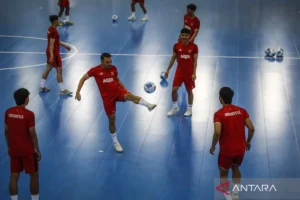
Head coach John Herdman officially released his final 23-player roster on Friday, September 18, 2026, showcasing a formidable blend of Europe-based professionals, rising stars from Australia and the United States, and dependable stalwarts from the domestic league. This carefully curated squad reflects the Football Association of Indonesia (PSSI) and the coaching staff’s absolute commitment to making a profound impact at the upcoming regional championship.
The selected group features a robust contingent of established names who have consistently formed the backbone of the Garuda squad in recent years. Among the prominent figures returning to the national fold are defensive anchors Kevin Diks, Dean James, Elkan Baggott, and Justin Hubner. The midfield and attacking departments are similarly bolstered by the inclusion of versatile operators such as Nathan Tjoe-A-On, Calvin Verdonk, Joey Pelupessy, Thom Haye, Ole Romeny, and Ragnar Oratmangoen.
Herdman’s tactical vision heavily relies on the technical superiority, tactical discipline, and high-intensity match experience acquired by these players within competitive foreign leagues. By blending this global expertise with top-tier domestic talent, Indonesia aims to project a cohesive and dominant presence on the ASEAN stage.
Luke Vickery Earns Maiden Call-Up and Historic Debut
Among the most talked-about inclusions in Herdman’s 23-man roster is the integration of 12 overseas-based players, spearheaded by the sensational inclusion of young forward Luke Vickery. The Macarthur FC attacker has officially received his first-ever senior national team call-up, marking a significant milestone in his burgeoning professional career.
Vickery, born in Kailua, Hawaii, United States, on October 25, 2005, qualifies to represent Indonesia through his Indonesian mother. His performances in Australia’s top-flight league had previously placed him firmly on the radar of PSSI scouts and the national team coaching staff. With Herdman officially naming him in the final squad, the young forward is poised to make his much-anticipated international debut during the tournament, adding a dynamic, unpredictable attacking edge to the Garuda frontline.
Vickery’s integration into the national team underscores PSSI’s ongoing strategy to identify and secure elite dual-national talents across the globe, ensuring the squad maintains long-term competitiveness across various age groups and senior international competitions.
Domestic Turbulence: Komdis PSSI Imposes Strict Sanctions on Persija Jakarta
While the national team preparations dominated the broader sporting consciousness, domestic football faced a stern disciplinary intervention. The Disciplinary Committee of the PSSI (Komdis PSSI) officially announced heavy sanctions against the Organizing Committee (Panpel) of Persija Jakarta following a high-stakes BRI Super League 2026/2027 fixture against arch-rivals Persib Bandung.
The match, which took place at the iconic Gelora Bung Karno Stadium in Jakarta on Saturday, September 12, 2026, was marred by spectator misconduct and security breaches that prompted a formal investigation by football authorities. According to the official ruling issued via Komdis PSSI’s disciplinary decree, Persija’s match organizers have been penalized heavily for failing to maintain adequate order and safety protocols during the high-profile encounter.
Consequently, Persija Jakarta’s Panpel has been barred from organizing two consecutive home matches within three specific administrative territories: DKI Jakarta, Banten, and West Java. In addition to the stadium ban, which forces the club to seek alternative neutral venues well outside their traditional stronghold, the club was handed a substantial financial penalty of Rp40 million for multiple counts of disciplinary infractions.
Broader Implications for Indonesian Football
The events of mid-September 2026 highlight a critical juncture for Indonesian football, characterized by simultaneous ambitions on the international stage and ongoing regulatory challenges at the domestic level.
On one hand, the national team’s meticulous preparation under John Herdman for the FIFA ASEAN Cup 2026 demonstrates a professionalization of the sport. With 12 diaspora and overseas-based players integrated seamlessly alongside domestic stars, the Garuda squad possesses the depth and tactical flexibility required to navigate a rigorous tournament schedule. The emergence of young talents like Luke Vickery signals a sustainable talent pipeline that continuously revitalizes the national pool.
Conversely, the strict disciplinary actions taken against Persija Jakarta serve as a stark reminder of the persistent security and logistical hurdles facing the domestic league. As Indonesian football strives for higher governance standards and international credibility, curbing spectator misconduct and enforcing strict stadium protocols remain paramount for club administrators and league organizers alike.
With the FIFA ASEAN Cup 2026 fast approaching, all eyes will turn to John Herdman’s squad as they finalize their training camps and prepare to test their mettle against Southeast Asia’s finest. Simultaneously, domestic clubs will be closely monitoring regulatory compliance to avoid debilitating sanctions as the BRI Super League season progresses.