The Indonesian automotive industry has reached a significant milestone in its efforts to revitalize market demand during the final quarter of 2026. The Association of Indonesia Automotive Industries (Gaikindo) recently concluded its ambitious Gaikindo Auto Week (GAW) 2026, an initiative that marked a departure from traditional single-venue trade shows by hosting exhibitions simultaneously across 10 major cities. This strategic pivot, aimed at decentralizing automotive marketing and stimulating regional economic growth, has been met with substantial public enthusiasm, providing a much-needed boost to national sales figures as the calendar year draws to a close.
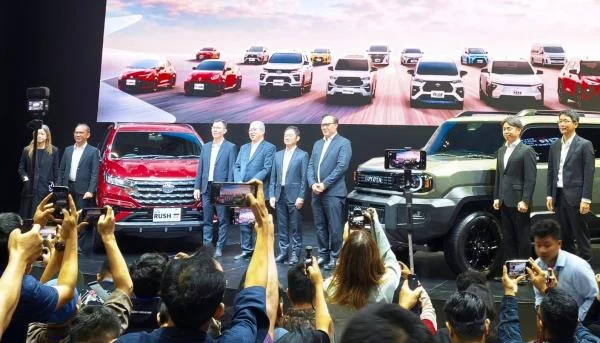
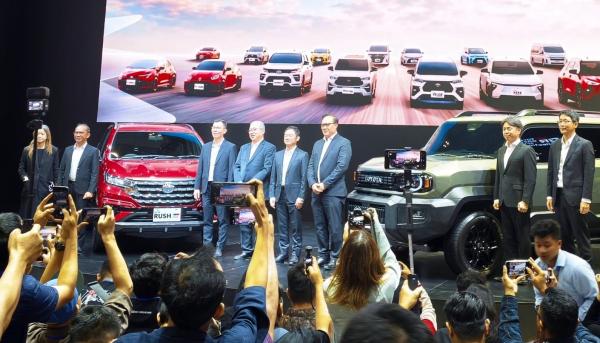
The closing ceremony, held at the Indonesia Convention Exhibition (ICE) BSD City in Tangerang on Saturday, November 28, 2026, served as a platform for industry leaders to reflect on the effectiveness of this multi-regional approach. Anton Kumonty, the Chairman of the Exhibition and Conference Committee for Gaikindo, emphasized that the decision to host the event in 10 cities concurrently was a calculated move to broaden the footprint of the national automotive sector, ensuring that the latest technological advancements and vehicle models were accessible to a wider demographic beyond the capital city.
A Paradigm Shift in Automotive Exhibitions
Historically, large-scale automotive events in Indonesia were predominantly concentrated in Jakarta or its surrounding satellite cities. However, the 2026 iteration of Gaikindo Auto Week challenged this convention. By partnering with various regional stakeholders and utilizing major shopping centers as venues, the organizers successfully lowered the barrier to entry for prospective buyers who reside outside the primary metropolitan hubs.
According to Anton Kumonty, the initiative was developed in close collaboration with the Ministry of Industry (Kemenperin). The synergy between the government’s industrial policy and the private sector’s marketing strategy is designed to create a "multiplier effect." By placing exhibitions directly within the community—specifically in high-traffic commercial hubs—the event successfully converted curiosity into tangible sales leads, a critical factor for manufacturers looking to clear inventory and meet annual targets before the year-end fiscal reporting period.
Chronology and Execution of the 2026 Initiative
The planning for the 2026 GAW began in early Q1, following a period of moderate market volatility in the preceding year. Recognizing that regional demand remained latent, Gaikindo outlined a roadmap that prioritized accessibility. The selection of the 10 cities was based on demographic growth, purchasing power indices, and the density of local dealership networks.
Throughout the exhibition period, which spanned several weeks in November, organizers deployed a series of coordinated promotional campaigns. These campaigns were designed to highlight not just traditional internal combustion engine (ICE) vehicles, but also the increasing presence of hybrid and electric vehicles (EVs) in the Indonesian market. As the events progressed, real-time data from the various locations indicated a steady increase in foot traffic, with peak engagement recorded during weekends, confirming that the "shopping mall approach" resonated well with the modern Indonesian consumer.
Supporting Data and Market Context
The automotive industry in Indonesia remains a cornerstone of the national economy, contributing significantly to the Gross Domestic Product (GDP). In 2026, the sector faced a competitive landscape defined by shifting consumer preferences and the entry of new global players. Prior to the GAW, industry analysts had noted a slight stagnation in sales during the third quarter, prompting manufacturers to seek innovative ways to re-engage the public.
Market reports suggest that the decentralization of the event directly addressed the logistical challenges consumers face when attempting to compare multiple brands. In smaller cities, consumers often have to travel significantly to visit different dealerships. By bringing 10 to 15 brands under one roof in a central shopping district, the GAW provided a "one-stop shop" experience. Preliminary figures from the event indicate that the total number of inquiries and test drives conducted across the 10 cities exceeded initial projections by approximately 15 percent. This data suggests that when provided with the opportunity to interact with diverse models in a low-pressure environment, Indonesian consumers are highly responsive to automotive promotions.
Official Responses and Industry Sentiment
The Ministry of Industry has been a vocal supporter of the event, viewing it as a vital instrument for industrial stability. A spokesperson for the Ministry noted that the event serves as a bellwether for the health of the manufacturing sector. When consumers are willing to invest in new vehicles, it signals confidence in the broader economic trajectory.

Anton Kumonty’s assessment during the closing ceremony reflected this sentiment: "We have visited several of these regional sites, and the feedback from both exhibitors and the local public has been overwhelmingly positive. This confirms our belief that the automotive market in Indonesia is not just centered in Jakarta; there is significant, untapped potential in the provinces that requires a more localized approach to engagement."
Industry analysts have also highlighted that the success of the 2026 GAW provides a blueprint for future events. The ability to manage logistics, marketing, and sales across 10 locations simultaneously demonstrates a level of organizational maturity that bodes well for the sector’s resilience in the coming years.
Economic Implications and Future Outlook
The implications of the 2026 Gaikindo Auto Week extend beyond immediate sales figures. By stimulating regional interest in new vehicle models, the event has effectively accelerated the turnover of older, less efficient vehicles, potentially contributing to the government’s goals regarding emission reductions and the modernization of the national vehicle fleet.
Furthermore, the participation of international brands in these regional events underscores the confidence global manufacturers have in the Indonesian market. For many of these brands, the ability to showcase their latest offerings in secondary cities is an essential component of their long-term growth strategy. As the market continues to evolve toward electrification and digital integration, these regional exhibitions will likely serve as the primary educational platforms for consumers to learn about new technologies, such as charging infrastructure and hybrid performance.
As the industry moves into 2027, the success of the multi-city model will likely lead to further refinements. Future iterations of the GAW may see an even greater focus on localized content, such as tailored financing options for specific regional economic sectors—for instance, agricultural-based incentives in regions where the economy is driven by commodities.
Conclusion
The Gaikindo Auto Week 2026 has set a new standard for automotive marketing in Indonesia. By effectively breaking the "Jakarta-centric" mold and bringing the experience to the people, Gaikindo has not only boosted year-end sales but has also fostered a more inclusive automotive culture. As the nation reflects on the successes of this 10-city initiative, it is clear that the future of the Indonesian automotive industry lies in its ability to adapt, innovate, and remain accessible to all segments of the population. The collaborative effort between the industry association and the government serves as a model for how public-private partnerships can successfully navigate market fluctuations and drive sustainable growth in a rapidly developing economy.
Looking ahead, the momentum generated by this event is expected to carry into the first quarter of 2027, providing a stable foundation for the industry as it prepares for new challenges and opportunities in the global automotive landscape. The 2026 GAW will be remembered as the year the industry chose to meet the consumer where they are, rather than asking the consumer to come to the industry.