
The relationship between humans and their canine companions has evolved over tens of thousands of years, transitioning from a utilitarian partnership in hunting and protection to a profound emotional bond that mirrors human attachment styles. While anecdotal evidence has long suggested that dogs experience happiness and comfort in the presence of their owners, modern veterinary science and animal behavior studies have begun to quantify these sentiments. Understanding whether a dog is truly thriving in a domestic environment requires a nuanced observation of physiological, behavioral, and neurological cues. By analyzing patterns such as tail position, ocular communication, and social bonding behaviors, owners can gain a clearer insight into the psychological well-being of their pets.
The Neurobiology of the Human-Dog Bond
At the core of the canine-human connection lies a sophisticated chemical feedback loop. Research published in journals such as Science has demonstrated that when dogs and their owners engage in positive social interactions, both species experience a significant surge in oxytocin. Often referred to as the "love hormone," oxytocin is the same chemical responsible for the bond between human parents and their infants. This hormonal release acts as a biological reinforcement, solidifying the emotional connection and fostering a sense of security within the animal.
Furthermore, the brain’s reward system, mediated by dopamine, plays a crucial role in shaping a dog’s preference for its owner. When a dog anticipates a positive interaction—such as receiving affection or praise—the release of dopamine induces feelings of pleasure and satisfaction. This neurological response explains why dogs are highly motivated to maintain proximity to their primary caregivers. It is not merely a matter of dependency for food or shelter; it is an active pursuit of the emotional equilibrium that comes with being part of a trusted social unit.
Behavioral Markers: Beyond the Wagging Tail
While the wagging tail is the most widely recognized indicator of canine mood, it is frequently misunderstood. A common misconception is that all tail movement denotes happiness. In reality, the mechanics of the tail are a complex communication tool. A tail held in a neutral, relaxed position that sways in a moderate, rhythmic fashion usually signifies a content and calm state. Conversely, a "helicopter" wag—where the base of the tail moves vigorously and affects the dog’s entire hindquarters—is typically an unambiguous signal of intense joy and social excitement, often observed when an owner returns home after a period of absence.
However, veterinary behaviorists emphasize that tail movement must be interpreted in conjunction with other body language. A stiff, high-held tail can sometimes indicate arousal or tension rather than happiness. Therefore, observing the dog’s posture, ear position, and overall muscle tension is essential for a holistic assessment of their emotional state.
The Significance of Ocular Communication
The role of eye contact in the human-dog relationship is particularly striking. Unlike many wild animals, for whom direct eye contact is often interpreted as a threat or a precursor to aggression, domesticated dogs have evolved to utilize soft eye contact as a means of seeking information and comfort. A long, relaxed gaze between a dog and its owner has been linked in several studies to the aforementioned oxytocin loop.

When a dog looks at its owner with a "soft" gaze—characterized by relaxed eyelids and an absence of a hard, staring intensity—it is a gesture of profound trust. This behavior serves as a silent dialogue, allowing the dog to gauge the owner’s emotional state and reinforcing their role as the primary source of safety. This communicative evolution is unique to dogs and stands as a testament to their long history of co-habitation with humans.
Chronology of Domestic Integration
The integration of dogs into the domestic sphere has followed a distinct historical arc. Archaeological evidence suggests that the domestication of Canis lupus familiaris began roughly 15,000 to 30,000 years ago. Initially, this was an opportunistic arrangement based on environmental scavenging and mutual defense. Over millennia, selective breeding and environmental pressures led to the development of specific traits that prioritized social intelligence.
By the 19th and 20th centuries, the role of the dog shifted decisively toward the "companion" model. This shift necessitated a change in how owners approach canine welfare. Today, experts from organizations like the American Kennel Club (AKC) and PetMD stress that happiness is not a static state but a result of consistent, positive reinforcement and environmental enrichment. The modern timeline of a happy dog includes daily periods of play, regular physical exercise, and consistent social interaction, all of which contribute to a dog’s ability to remain calm and well-adjusted in a human household.
The Role of Social Proximity and "Shadowing"
One of the most common signs of a well-adjusted, happy dog is the tendency to remain in the same room as the owner, a behavior colloquially referred to as "shadowing." While this can sometimes be mistaken for separation anxiety, in a healthy context, it is a sign of social bonding. Dogs are pack animals by nature, and in a domestic setting, the human family serves as their pack.
If a dog chooses to sleep at their owner’s feet or follow them from room to room, it signifies that the owner is the "safe harbor." This proximity provides the dog with a sense of security. However, it is vital to distinguish between healthy bonding and pathological attachment. A dog that displays signs of distress—such as vocalization, destruction of property, or excessive pacing—when the owner leaves the room is experiencing separation anxiety, which is a clinical condition that requires behavioral modification or professional veterinary intervention.
Playfulness and the Exchange of Valuables
The act of bringing a favorite toy to an owner is a multifaceted social gesture. In the canine world, play is a vital mechanism for learning and social cohesion. When a dog presents a toy, they are initiating a ritualized interaction. It is an invitation to engage in a shared activity, which demonstrates both trust and a desire for social bonding.
From an ethological perspective, this behavior mimics the way dogs interact with other members of their social group. By sharing a resource—the toy—the dog is signaling that they feel secure enough in their environment to be vulnerable and playful. Encouraging this behavior through structured play not only strengthens the bond but also provides the necessary mental stimulation that prevents behavioral issues stemming from boredom.
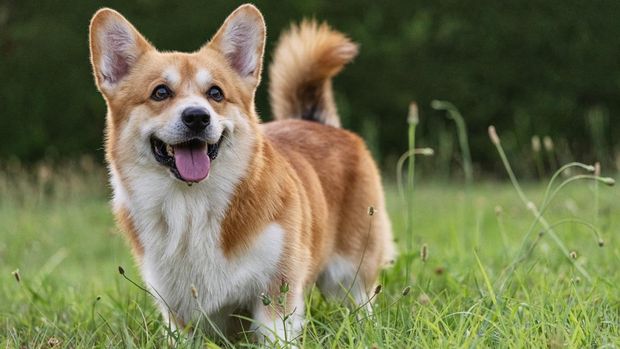
Facial Expressions and the "Puppy Eyes" Effect
Recent studies in comparative anatomy have revealed that dogs have developed specific facial muscles that allow them to raise their inner eyebrows, a feature that makes their eyes appear larger and more "infant-like." This movement, often triggered when a dog is looking at their owner, is an evolutionary adaptation that appeals to human nurturing instincts.
This is not a manipulative tactic, but rather a functional communication strategy. When a dog raises their brows, they are maximizing the communicative impact of their facial expressions to elicit care or attention from their owner. This reciprocal exchange of attention is a clear indicator that the dog perceives the owner as an responsive and significant member of their social hierarchy.
Broader Implications for Animal Welfare
The implications of these behavioral markers are significant for the broader field of animal welfare. By recognizing the subtle, positive behaviors of a happy dog, owners can become more proactive in managing their pet’s health. The absence of these behaviors—such as a lack of interest in play, a shift toward isolation, or a change in the frequency of social greetings—can serve as early warning signs for potential health issues or environmental stressors.
Veterinary professionals often suggest that a "happy dog" is one that exists in a state of predictability. Dogs thrive on routine, and when their environment provides consistent social feedback, their psychological well-being is maintained. As we continue to study the intricacies of canine behavior, it becomes increasingly clear that our pets are not merely passive recipients of our care, but active participants in an emotional partnership.
Ultimately, the happiness of a dog is a reflection of the quality of the bond they share with their human family. Through the lens of modern science, we can better understand that the simple act of a wagging tail or a soft gaze is the culmination of thousands of years of evolutionary development, designed to bridge the gap between two different species and create a lasting, mutually beneficial connection. By observing and responding to these signals with empathy and informed care, owners ensure that their canine companions remain not just housemates, but integral, happy members of the family unit.