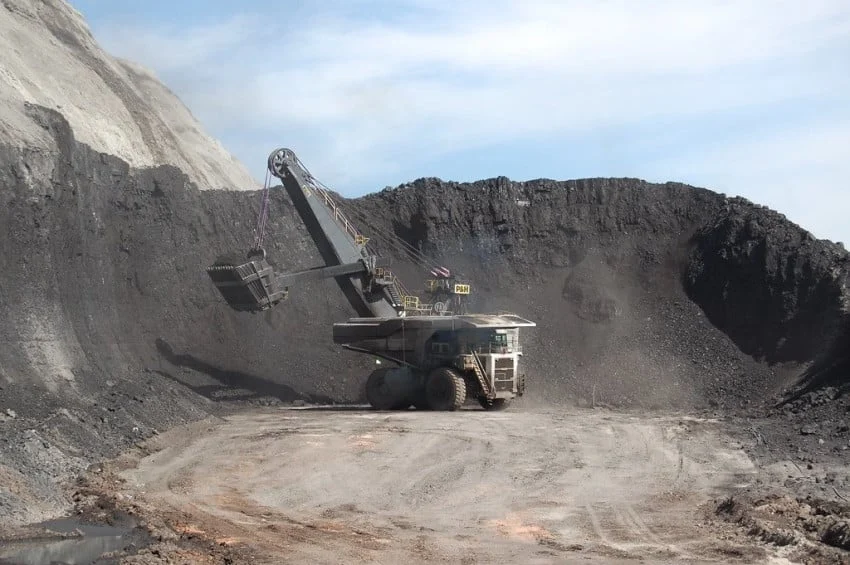
Coal, a substance often relegated to the annals of historical energy sources and increasingly scrutinized in the modern era, continues to play a surprisingly persistent role in global power generation. This black or brownish-black mineral, found in subterranean seams that can extend hundreds of feet in thickness and stretch for hundreds of miles, has been a cornerstone of human civilization for millennia. Its ability to produce sustained heat, far exceeding that of wood, fueled the very foundations of the world we inhabit today. The implications of coal’s historical dominance and its ongoing, albeit diminishing, influence are profound.
The historical relationship between humanity and coal is a testament to its enduring utility. Ancient civilizations recognized its potential long before the industrial age. The Romans utilized coal to heat their public baths, a testament to its early adoption for comfort and convenience. The Aztec civilization, beyond its use as a fuel source, marveled at the lustrous, jet-black variety, carving it into intricate ornaments. In Bronze Age Wales, communities employed coal for the somber ritual of cremating their dead, demonstrating its role in both life and death. However, it was in China that coal’s systematic exploitation truly began. Archaeological evidence, as detailed in a study published in Science Advances, traces organized coal mining activities in northwestern China back approximately 3,600 years, to around 1600 BCE, a period when much of the world was still primarily reliant on wood for fuel. This early adoption highlights China’s pioneering role in harnessing this potent energy source.
The true paradigm shift in coal’s utilization, however, arrived with the Industrial Revolution. It is crucial to correct common historical misconceptions regarding its role. James Watt is often credited as the inventor of the steam engine, a narrative that, while popular, requires clarification. Thomas Newcomen developed the first practical steam engine in 1712. This early iteration was notoriously inefficient, so much so that critics quipped it required an iron mine to build and a coal mine to operate. Watt’s pivotal contribution, made in 1765, was the ingenious addition of a separate condenser. This innovation dramatically reduced fuel wastage, transforming the steam engine from a curiosity into a truly viable and transformative power source. Coal became the lifeblood of these engines, feeding their boilers, generating steam, and ultimately, reshaping the planet. By the dawn of the 20th century, coal was the dominant energy source, accounting for approximately half of the world’s energy consumption, a staggering figure that underscores its foundational importance in industrial development.
The Giants of Coal: Unveiling the World’s Largest Mining Operations
In an era increasingly focused on decarbonization, understanding the scale and continued operation of the world’s largest coal mines provides crucial context for the ongoing energy transition. These colossal operations not only represent significant economic drivers but also highlight the sheer volume of fossil fuel extraction that has underpinned global industrialization. According to data compiled by World Atlas, the landscape of major coal producers is dominated by a few exceptionally large mines, with the United States and India featuring prominently, and notably, Indonesia emerging as a significant contributor with four substantial operations.
1. Black Thunder Mine, United States: The Reigning Champion
Dominating the global coal production landscape is the Black Thunder Mine, situated in the Powder River Basin of Wyoming, approximately 54 miles south of Gillette. This behemoth of the mining industry, owned by Arch Resources of St. Louis, reported an astonishing output of around 62.68 million tons of coal in 2023, solidifying its position as the largest coal mine globally. The mine’s operational prowess is facilitated by an extensive fleet of draglines, including the colossal "Ursa Major," recognized as one of the largest ever constructed. At its peak operational capacity, Black Thunder was capable of loading more than 20 coal trains daily, a testament to its immense logistical capabilities.
Opened in 1977, Black Thunder achieved a historic milestone in 2004, becoming the first U.S. mine to ship a cumulative total of one billion short tons of coal. The coal extracted from this site is a low-sulfur, sub-bituminous variety. This particular type of coal is highly sought after by power plants due to its desirable combustion properties, requiring minimal processing before being used for energy generation. The continued high output from Black Thunder underscores the ongoing demand for this specific grade of coal, even amidst global energy shifts.
2. Gevra Open-Pit Coal Mine, India: A Rising Contender
India’s Gevra Open-Pit Coal Mine, located in the Korba district of Chhattisgarh, is a formidable operation managed by South Eastern Coalfields, a subsidiary of the state-owned Coal India. In 2023, Gevra produced approximately 60 million tons of coal, placing it a close second to Black Thunder. However, Gevra is not content with its current standing. The mine has secured environmental clearance to increase its annual capacity to 70 million tons per year, a move that positions it as a serious contender for the top spot in the near future. This expansion reflects India’s ongoing reliance on coal for its energy needs and its strategic efforts to bolster domestic production.
3. Other Significant Global Coal Mines and Indonesia’s Contribution
While Black Thunder and Gevra represent the apex of global coal production, the list of the world’s largest mines includes several other substantial operations. Detailed breakdowns of the top 10, including rankings beyond the top two, reveal a diverse geographical distribution of these massive extraction sites.
Indonesia, a nation blessed with abundant natural resources, features prominently on this list with four of its mines recognized among the world’s largest. While specific output figures for each Indonesian mine are subject to annual fluctuations and reporting variations, their collective contribution is substantial. These operations, often located in Kalimantan and Sumatra, are critical to both Indonesia’s domestic energy supply and its significant coal export market. The sheer scale of these Indonesian mines underscores the country’s historical and ongoing role as a major player in the global coal trade. Further analysis of specific Indonesian mine capacities and production trends would be essential for a comprehensive understanding of its position.
The Evolving Landscape of Coal: From Industrial Revolution to Energy Transition
The historical arc of coal’s influence is inextricably linked to technological advancement and societal development. The Industrial Revolution, powered by coal, ushered in an era of unprecedented economic growth and urbanization. The development of machinery, factories, and transportation systems – from steamships to railways – was fueled by this readily available and potent energy source. The societal transformations brought about by this era were profound, leading to the creation of modern cities, the rise of a global economy, and a significant increase in the global population.
However, this era of progress came with significant environmental consequences. The widespread burning of coal led to increased air pollution, contributing to respiratory illnesses and environmental degradation in industrial centers. The scientific understanding of climate change, driven by the emission of greenhouse gases, has placed coal at the forefront of global environmental concerns.
Timeline of Coal’s Significance:
- Ancient Civilizations (c. 1600 BCE onwards): Early, localized use of coal for fuel and ornamentation (China, Roman Empire, Aztec Civilization).
- 1712: Thomas Newcomen develops the first practical steam engine, a significant, albeit inefficient, step towards harnessing coal-fired power.
- 1765: James Watt’s innovation of the separate condenser revolutionizes steam engine efficiency, making coal power truly viable for widespread industrial application.
- 19th Century: The Industrial Revolution accelerates, with coal becoming the primary energy source for factories, transportation, and domestic heating across Europe and North America.
- Early 20th Century (c. 1900): Coal accounts for approximately 50% of global energy consumption.
- Mid-to-Late 20th Century: While coal remains dominant, the rise of oil and natural gas begins to offer alternatives. Environmental concerns regarding coal’s impact begin to gain traction.
- 21st Century: Growing global awareness of climate change intensifies efforts to transition away from coal. International agreements and national policies aim to reduce coal dependency, though its role remains significant in many economies.
Supporting Data and Analysis:
The sheer volume of coal extracted annually by mines like Black Thunder and Gevra highlights the immense scale of current coal operations. While many nations are actively pursuing renewable energy sources and implementing policies to phase out coal power, the reality on the ground is complex. The economic reliance on coal mining, particularly in regions where it is a primary industry, presents significant challenges for transition. Furthermore, the demand for specific types of coal, like the low-sulfur sub-bituminous coal from Black Thunder, continues to be driven by existing power infrastructure and energy security considerations in some regions.
The ongoing expansion of mines like Gevra in India signals a regional reality where coal remains a critical component of energy security and economic development. India, with its rapidly growing energy demands and a significant portion of its population still lacking reliable access to electricity, views coal as a necessary bridge fuel. This approach, while understandable from an economic and developmental perspective, is a point of contention in international climate negotiations, as it contributes to global greenhouse gas emissions.
Broader Impact and Implications:
The continued dominance of these massive coal mines has far-reaching implications. Economically, they represent significant employment opportunities and contribute substantially to the GDP of their respective regions and nations. However, this economic benefit is increasingly weighed against the environmental and health costs associated with coal extraction and combustion.
Environmentally, the extraction process itself can lead to habitat destruction, water contamination, and land degradation. The combustion of coal is a primary source of sulfur dioxide and nitrogen oxides, which contribute to acid rain and air pollution, impacting human health and ecosystems. Most critically, coal combustion releases vast amounts of carbon dioxide, a potent greenhouse gas, exacerbating climate change.
The existence and continued operation of these colossal mines serve as a stark reminder of the inertia of established energy systems and the complex socio-economic factors that influence the pace of the global energy transition. While the trajectory is undeniably towards cleaner energy, the sheer scale of operations like Black Thunder and the strategic importance of coal for countries like India indicate that the transition will be a gradual and multifaceted process. Understanding the scale and operational dynamics of these major coal mines is therefore essential for comprehending the current state of global energy and the challenges that lie ahead in achieving a sustainable energy future. The ongoing operations, though potentially on a declining curve in some parts of the world, continue to shape the global energy landscape and present a critical area for policy and technological innovation.