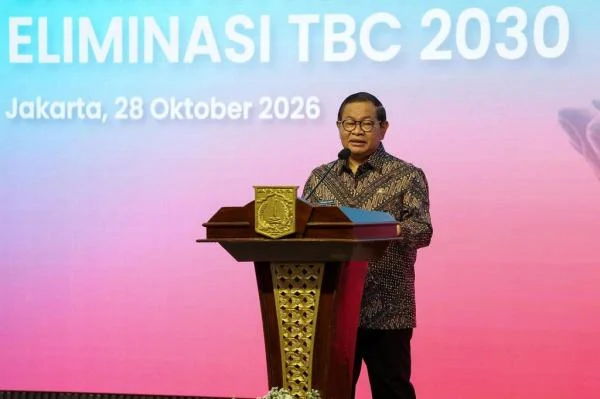
The Governor of DKI Jakarta, Pramono Anung, has officially pledged the provincial government’s full commitment to the national agenda of eliminating tuberculosis (TBC) by 2030. Speaking at the "Hospital Leadership for TB Elimination" summit held at Jakarta City Hall on Wednesday, October 28, 2026, the Governor emphasized that public health is an indispensable pillar in Jakarta’s transformation into a world-class global city. This strategic initiative, coordinated alongside the Ministry of Health and the Jakarta Health Office, seeks to leverage the capital’s robust infrastructure to drive down transmission rates and improve patient recovery outcomes.
The Vision of a Healthy Global City
For Jakarta to maintain its status as a competitive global metropolis, the quality of human capital is paramount. Governor Pramono highlighted that Jakarta currently boasts an Human Development Index (HDI) of 85.05, the highest in Indonesia. However, he noted that this progress remains under threat from endemic public health challenges like tuberculosis.
"As a city that aspires to function on the global stage, one of the fundamental prerequisites is the health and well-being of its population," Pramono stated. "We cannot claim to be a top-tier global city if we continue to struggle with preventable infectious diseases. The 2030 target is not merely a government quota; it is a moral and economic necessity for our citizens."
Strategic Infrastructure and Capacity Building
The success of the 2030 elimination target relies heavily on the mobilization of Jakarta’s extensive healthcare network. Currently, the province oversees a massive system designed to provide equitable access to diagnostic and treatment services. This infrastructure includes 197 hospitals, 44 community health centers (Puskesmas), and 292 auxiliary community health centers (Puskesmas Pembantu).
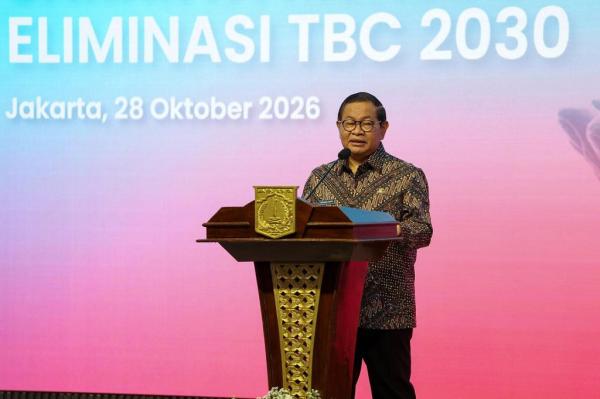
The Governor urged administrators and medical directors of these facilities to adopt a more proactive, patient-centric approach. The goal is to move beyond passive clinical care and toward aggressive case-finding and long-term treatment adherence programs. With the current infrastructure, Jakarta is arguably better positioned than any other region in Indonesia to implement large-scale screening and intervention programs, provided that coordination between municipal health offices and private sector hospitals remains seamless.
Understanding the Burden of Tuberculosis
Tuberculosis remains a significant public health burden in Indonesia, consistently ranking among the countries with the highest number of cases globally. The bacteria Mycobacterium tuberculosis, which primarily affects the lungs, thrives in densely populated urban environments where ventilation and socioeconomic factors can facilitate rapid spread.
The implications of failing to address the disease are severe. Beyond the mortality rate, TBC imposes a heavy economic burden on families and the state. Patients often face long-term disability, loss of employment, and the high cost of multi-drug resistant (MDR) treatment. Furthermore, when patients fail to complete their medication—a recurring issue in urban health management—the risk of developing drug-resistant strains increases, complicating future public health interventions.
The Path to 2030: A Chronological Framework
The push toward 2030 follows a series of incremental policy shifts in Indonesia’s health sector. Over the past several years, the Ministry of Health has transitioned from a reactive strategy to one focused on "Active Case Finding" (ACF).
- 2024–2025: Increased investment in molecular rapid testing (TCM) machines across Jakarta’s public health facilities to decrease diagnostic turnaround times.
- Late 2025: The implementation of digital surveillance systems to monitor treatment adherence in real-time, allowing health workers to intervene when a patient misses a scheduled dose.
- October 2026 (Current Phase): Focus on "Hospital Leadership," shifting the responsibility of TB management to the highest levels of hospital administration to ensure institutional policy alignment.
- 2027–2029: Projected scale-up of community-based screening programs, utilizing local neighborhood leaders to reduce the stigma associated with the disease.
- 2030: Target year for the national elimination threshold, defined as reaching an incidence rate of fewer than one case per 100,000 population.
Data-Driven Analysis of the Challenge
While the target is ambitious, experts suggest that the "City Global" ambition provides the necessary political momentum. Data indicates that while case detection rates have improved, the gap between identified cases and those successfully cured remains a critical bottleneck.

Public health analysts note that the urban density of Jakarta presents both a challenge and an opportunity. While density facilitates transmission, it also means that a high volume of the population is concentrated within reach of existing healthcare facilities. The challenge lies in the "missing cases"—individuals who have the disease but have not yet sought treatment due to fear of stigma, lack of awareness, or the financial strain of traveling to clinics.
By involving private hospitals in the "Hospital Leadership" initiative, the Jakarta government hopes to capture these missing cases, ensuring that no patient is left behind regardless of their socioeconomic status or their choice of healthcare provider.
The Role of Public Awareness and Stigma Reduction
A major component of the 2030 agenda involves changing the cultural narrative around TB. Many patients discontinue their medication once they begin to feel symptomatic relief, failing to realize that the bacteria may still be present in their systems. This premature cessation is a primary driver of relapse and drug resistance.
The Jakarta Health Office has indicated that future efforts will involve a stronger communication campaign aimed at educating the public on the necessity of completing the full course of treatment, which typically lasts at least six months. The strategy includes:
- Directly Observed Treatment (DOT): Ensuring that someone, often a family member or health worker, observes the patient taking their medication.
- Digital Health Monitoring: Using mobile applications to remind patients of their daily doses.
- Community Support Groups: Establishing networks where patients can share experiences and support one another, reducing the social isolation that often accompanies a TB diagnosis.
Institutional Challenges and Potential Roadblocks
Despite the optimistic outlook presented by the provincial administration, several hurdles remain. Urban migration, the transient nature of the workforce in Jakarta, and the high cost of living can all disrupt treatment continuity. If a patient moves to a different neighborhood or struggles to pay for transportation to a Puskesmas, they are at high risk of "dropping out" of the treatment program.

Furthermore, the integration of public and private sector data is an ongoing challenge. While the Ministry of Health has made strides in digitizing patient records, ensuring that every private clinic reports their TB cases accurately remains a point of focus. The Governor’s emphasis on leadership suggests that the government will be holding medical institutions accountable for their reporting and treatment success rates.
Broader Implications for Indonesian Healthcare
The success of the Jakarta model will likely serve as a blueprint for other major Indonesian cities, such as Surabaya, Medan, and Bandung. If Jakarta can demonstrate that a complex, high-density urban environment can effectively suppress TB through coordinated governance and infrastructure utilization, the national Ministry of Health will have a clear template for replication nationwide.
The integration of health into the "Global City" agenda also signifies a shift in how political leaders perceive public health. Rather than viewing it solely as a departmental duty of the Health Office, it is being elevated to a central policy concern for the executive branch. This cross-sectoral approach—involving urban planning, social welfare, and economic development—is widely considered the most effective way to address the social determinants of disease.
Conclusion
The pledge made by Governor Pramono Anung represents a critical inflection point in the fight against tuberculosis in Indonesia. By aligning the city’s development goals with its health outcomes, Jakarta is signaling that its progress will not be measured solely by high-rise buildings or economic output, but by the physical resilience of its citizens.
As 2030 approaches, the focus will shift from high-level pledges to the rigorous, day-to-day work of diagnostics, treatment, and community engagement. For the millions living in the capital, the success of this initiative will mean a safer, healthier future, free from the shadow of a disease that has plagued urban populations for centuries. The commitment shown by the current leadership provides a robust foundation, but the final victory will depend on the continued collaboration of the government, the medical community, and the people of Jakarta themselves.