The landscape of modern Islamic propagation in Indonesia is undergoing a profound transformation, moving rapidly from traditional pulpits to the screens of smartphones and social media feeds. In a significant development that bridges the gap between mainstream religious institutions and prominent digital influencers, popular content creator Willie Salim has officially announced his participation in a nationwide Digital Daifullah and pesantren empowerment initiative. This strategic partnership brings together the Ministry of Religious Affairs (Kemenag) and the Nahdlatul Ulama Executive Board (PBNU), two of the most influential bodies shaping religious and social life in the world’s largest Muslim-majority nation.
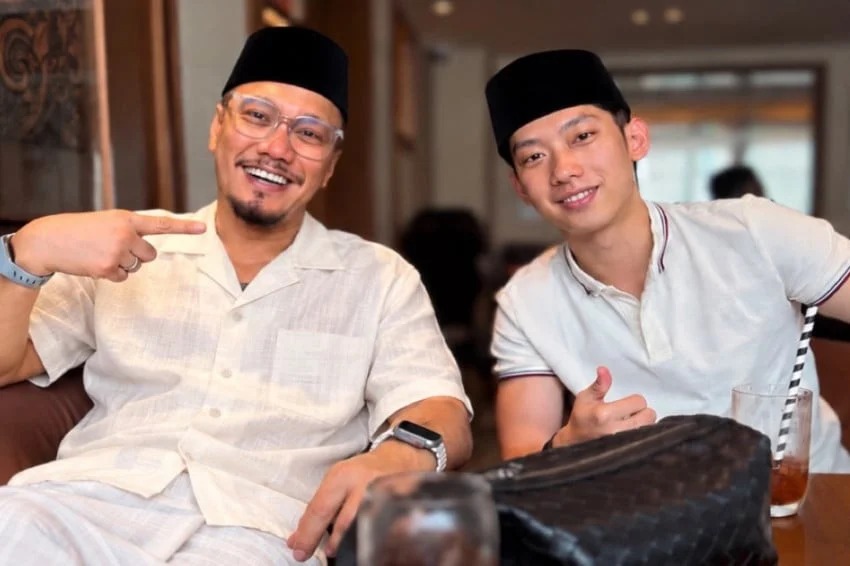
The announcement follows a direct invitation extended by PBNU Deputy Chairman Irfan Asy’ari Sudirman Wahid, widely known as Gus Ipang Wahid. Willie Salim, who has built a massive digital following through philanthropic content such as buying out street vendors’ entire stocks, distributing meals, and providing direct aid to marginalized communities, joins a growing roster of high-profile public figures and content creators. This coalition of digital voices aims to amplify positive messages originating from Indonesia’s traditional Islamic boarding schools, commonly known as pesantren, and adapt religious outreach to the demands of the twenty-first century.
Main Facts and Coalition Formation
Under the framework of this newly expanded initiative, Willie Salim will collaborate alongside several other prominent Indonesian public figures and creators, including Habib Husein Ja’far, Atta Halilintar, Putra Siregar, and Aldi Taher. These individuals bring distinct audiences and vast digital reaches, collectively commanding tens of millions of followers across platforms such as YouTube, Instagram, and TikTok.
The initiative is structured around three core pillars designed to modernize and economically empower the pesantren ecosystem: Santri 5.0, Pesantren Adaptif Mandiri (Self-Reliant Adaptive Pesantren), and Digital Daifullah. These programs seek to equip students—known as santri—with technological literacy, economic independence, and the modern communication tools necessary to spread moderate Islamic values in an increasingly interconnected global society.
The collaboration represents a calculated shift in strategy by PBNU and the Ministry of Religious Affairs. Recognizing that traditional methods of preaching may struggle to fully engage younger demographics who consume information primarily through digital mediums, religious leaders are actively engaging with digital natives who understand the nuances of online engagement, audience retention, and algorithmic reach.
Chronology of the Partnership
The engagement between PBNU leadership and Willie Salim moved swiftly from conceptual discussion to public commitment. The genesis of the partnership was documented transparently through social media channels, reflecting the modern intersection of institutional policy and digital communication.
Gus Ipang Wahid initiated direct contact with Willie Salim, utilizing digital messaging platforms to pitch the collaborative vision. The exchange, subsequently shared on Gus Ipang’s official Instagram account, revealed an immediate and enthusiastic response from the content creator. Rather than adopting a cautious or bureaucratic approach, Willie Salim expressed immediate willingness to align his platform with the institutional objectives of PBNU.
"Let’s go, Gus Ipang. Let’s make it happen! Everything is for the santri. I am ready to give 100% support together with Ustadz Derry. Please guide me," Willie replied during the digital correspondence.
Elaborating on his vision for the partnership, Willie emphasized the ubiquity of mobile technology in contemporary society. "This is the digital era. Everyone has a smartphone. Let us turn it into a medium for daifullah [propagation]. I completely agree. Full support," he added. Following this virtual agreement, formal integration into the planning committees and outreach programs commenced, setting the stage for nationwide campaigns targeting youth engagement and digital literacy within Islamic educational institutions.
Background Context: The Evolution of Digital Daifullah in Indonesia
To fully understand the significance of Willie Salim’s involvement, one must examine the broader evolution of religious broadcasting in Indonesia over the past decade. Historically, Islamic propagation in the archipelago was localized, conducted primarily through physical sermons in mosques, community gatherings, and traditional study circles led by clerics.
As internet penetration surged across the Indonesian archipelago—facilitated by affordable mobile data and widespread smartphone adoption—religious figures began utilizing television and early social media platforms. However, the mid-2010s marked a turning point where independent creators began redefining religious discourse. Figures like Habib Husein Ja’far demonstrated that religious content could be packaged in an approachable, intellectually stimulating, and non-judgmental format that resonated deeply with urban youth and secularized millennials.
Simultaneously, traditional institutions such as PBNU, which oversees tens of thousands of pesantren across Indonesia, recognized the urgent need to adapt. While pesantren have historically served as the moral backbone of Indonesian Islam, teaching classical Islamic texts (kitab kuning) and fostering community resilience, many faced challenges regarding technological adaptation and economic self-sufficiency.
Recognizing these structural challenges, the Ministry of Religious Affairs, in partnership with PBNU, initiated comprehensive modernization programs. The introduction of the Santri 5.0 framework is designed to bridge the digital divide, ensuring that students within rural and urban boarding schools are not left behind in an economy driven by artificial intelligence, digital media, and e-commerce. By integrating influencers like Willie Salim into this framework, the state and traditional religious authorities are effectively leveraging private-sector digital capital to achieve public-interest educational goals.
Analysis of the Three Core Pillars
The collaboration focuses on three distinct yet interconnected programs, each targeting a specific facet of modernization within the pesantren ecosystem.
First, the Santri 5.0 program focuses on human resource development and technological proficiency. In the context of the Fourth Industrial Revolution, traditional boarding school education is being augmented with digital skills, coding literacy, content creation training, and critical thinking. The goal is to produce graduates who are not only deeply grounded in Islamic jurisprudence and spirituality but are also capable of navigating and influencing the modern digital economy.
Second, the Pesantren Adaptif Mandiri initiative addresses the financial and operational sustainability of boarding schools. Historically, many pesantren relied heavily on donations or agricultural yields. The adaptive self-reliance program encourages entrepreneurial ventures, digital enterprise management, and cooperative economic models within school compounds. By fostering financial independence, these institutions can better withstand economic shocks and improve the quality of education provided to their students.
Third, the Digital Daifullah pillar forms the operational heart of the influencer partnership. This program seeks to professionalize and scale up the dissemination of moderate, tolerant, and peaceful Islamic teachings across digital networks. Given the rise of digital radicalism and polarized online rhetoric in recent years, mainstream religious bodies view counter-narratives propagated by trusted, high-engagement creators as a vital defense mechanism for the national digital public sphere.
Official Responses and Institutional Perspectives
The involvement of high-profile creators has drawn widespread commentary from religious scholars, government officials, and digital media analysts. Representatives from the Ministry of Religious Affairs have noted that modern communication requires unconventional partnerships. State actors alone often lack the organic appeal and platform-specific agility required to capture the attention of younger generations constantly bombarded with entertainment content.
Gus Ipang Wahid, speaking on behalf of PBNU, emphasized that the inclusion of figures like Willie Salim, Atta Halilintar, and Habib Husein Ja’far is part of a deliberate democratization of religious messaging. By working with creators who command massive, diverse audiences, PBNU aims to project an image of Islam that is modern, dynamic, accessible, and deeply engaged with contemporary social realities.
Furthermore, religious analysts point out that Willie Salim’s background in philanthropic content creation makes him an ideal ambassador for social-religious campaigns. His content typically centers on empathy, generosity, and community solidarity—values that align closely with the core ethical teachings of Nahdlatul Ummah, which champions ukhuwah islamiyah (Islamic brotherhood) and ukhuwah wathaniyah (national brotherhood).
Broader Impact and Sociological Implications
The partnership between traditional religious institutions and digital influencers carries significant sociological implications for the future of religious authority in Indonesia. Historically, religious authority was strictly hierarchical, vested primarily in certified clerics, ulama, and institutional leaders. However, the democratization of media has decentralized this authority, allowing independent creators to wield substantial influence over public opinion and moral norms.
By proactively embracing these creators rather than treating them as competitors or outsiders, PBNU and the Ministry of Religious Affairs are executing a forward-thinking integration strategy. This approach mitigates the risk of decentralized religious narratives falling outside the framework of mainstream moderation, while simultaneously injecting fresh energy into institutional programs.
For Willie Salim, whose personal life and career have recently experienced significant milestones—including his public conversion to Islam and subsequent high-profile public rituals—this partnership elevates his platform from entertainment and philanthropy to institutional-grade nation-building. By channeling his digital influence toward the empowerment of santri and the promotion of constructive digital discourse, he positions himself as a bridge between modern internet culture and centuries-old Islamic educational traditions.
As these programs roll out across Indonesia over the coming months, the success of the Santri 5.0, Pesantren Adaptif Mandiri, and Digital Daifullah initiatives will serve as a crucial test case for how traditional religious institutions worldwide can leverage the power of the creator economy to preserve their relevance, educate the youth, and foster national cohesion in the digital age.