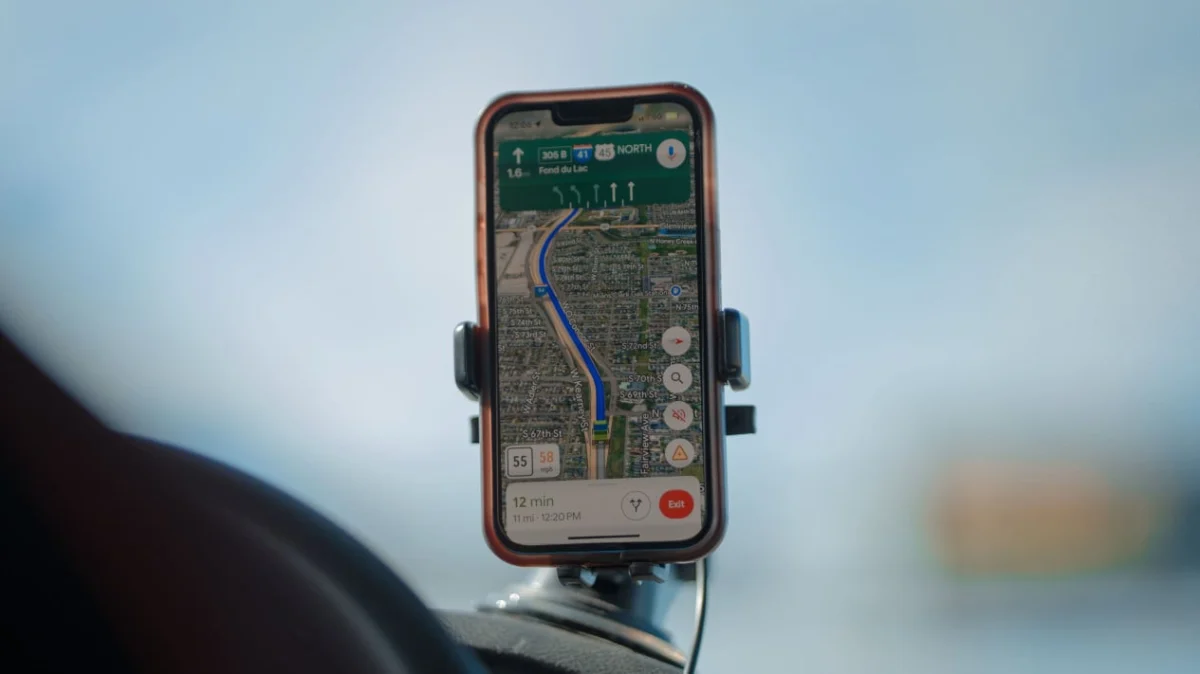
For modern online motorcycle taxi drivers, commonly known as ojol in Indonesia, the smartphone has evolved far beyond a basic communication tool. It serves as the central operational hub for daily livelihood. Every single task—from accepting incoming ride-hailing orders and navigating complex urban traffic routes to communicating with customers and processing digital payments—depends entirely on the continuous functionality of this single device. Because drivers operate outdoors in unpredictable weather conditions, often navigating torrential tropical downpours to complete deliveries, the hardware they carry demands a significantly higher level of durability than what is required by standard office workers.
The geographic reality of Indonesia presents unique challenges for mobile technology. With high precipitation levels and severe rainy seasons affecting numerous regions across the archipelago, water resistance has transformed from a luxury feature reserved for high-end flagship models into a critical operational necessity. In the past, robust ingress protection was strictly associated with premium price tags, putting it out of reach for everyday gig workers operating on tight budgets. However, recent technological advancements and shifting market demands have democratized these durability standards. Today, several smartphone manufacturers offer advanced IP68 and IP69 water and dust resistance ratings in mid-range devices priced comfortably between two million and four million Indonesian rupiahs.
Examining the Market Shift Toward Rugged Mid-Range Devices
The convergence of affordable pricing and high-grade durability features in the smartphone market did not happen overnight. Over the past several years, mobile chipset manufacturers and casing designers have prioritized structural integrity, recognizing that outdoor workers, delivery couriers, and field operatives represent a massive, underserved consumer demographic. Traditional smartphones frequently succumbed to moisture damage, leading to expensive screen replacements, corrupted internal logic boards, and lost working days for independent contractors who cannot afford sudden equipment downtime.
In response, original equipment manufacturers (OEMs) have optimized their manufacturing processes to include robust rubber gasket seals, reinforced port covers, and specialized acoustic membranes that repel water while maintaining microphone and speaker clarity. The inclusion of these features in devices targeting the sub-four-million rupiah bracket marks a significant milestone for the gig economy. For Indonesian ojol drivers, this means they no longer have to resort to precarious DIY solutions—such as wrapping their phones in low-quality plastic bags or storing them inside makeshift waterproof pouches that trap heat and reduce touchscreen sensitivity. Instead, they can rely on natively engineered weather-resistant hardware that stands up to the rigors of the road.
Detailed Breakdown of Recommended Water-Resistant Smartphones for September 2026
To help gig economy workers navigate the vast array of available hardware, market analysts and technology reviewers have evaluated the top contenders currently dominating the Indonesian retail landscape. Based on durability certifications, battery capacity, display readability under harsh sunlight, and overall value for money, five standout devices have been identified for September 2026.
- realme C75x: High-End Protection at an Entry-Level Price Point
Leading the pack for budget-conscious drivers who refuse to compromise on build quality is the realme C75x. What sets this device apart in its price bracket is its comprehensive suite of ingress protection ratings, boasting IP66, IP68, and IP69 certifications. These ratings indicate that the device is not only protected against continuous immersion in water and fine dust particles, but it can also withstand high-pressure, high-temperature water jets—a level of resilience rarely seen outside of industrial-grade equipment.
To complement its impressive physical shielding, realme has integrated a specialized software utility known as SonicWave Water Ejection. This feature utilizes specific low-frequency audio waveforms to vibrate the speaker membrane forcefully, expelling any trapped moisture from the acoustic cavities and preventing long-term audio degradation. Powering the device is a robust 5,600mAh battery paired with 45W fast-charging technology, ensuring that drivers can quickly top up their power reserves during brief meal breaks. The smartphone features a spacious 6.67-inch display with a smooth 120Hz refresh rate, driven by the efficient MediaTek Helio G81 Ultra chipset. Market pricing for the 8GB RAM and 128GB storage variant hovers between Rp2.1 million and Rp2.9 million, making it an exceptionally accessible option.
- OPPO A5 Pro: Built for Continuous Outdoor Exposure
Designed specifically for professionals who spend the entirety of their working hours exposed to the elements, the OPPO A5 Pro represents a formidable competitor in the mid-range durability segment. Like its rival from realme, the OPPO A5 Pro carries IP66, IP68, and IP69 certifications. OPPO’s internal quality assurance documentation highlights rigorous laboratory testing procedures, demonstrating that the device can survive targeted water jets and complete submersion at depths of up to 1.5 meters for a duration of 30 minutes without sustaining internal damage.
Battery endurance is a crucial metric for ride-hailing operators, and the OPPO A5 Pro addresses this with a massive 5,800mAh power cell supported by 45W fast charging. Visibility under direct sunlight is another critical factor for navigation, and the device answers this call with a 6.67-inch panel capable of reaching a peak brightness of 1,000 nits. Furthermore, the inclusion of Glove Touch technology ensures that the capacitive digitizer remains fully responsive even when operators are wearing heavy riding gloves during cold or rainy conditions. Current market prices for the 8GB/128GB configuration range from Rp2.55 million to Rp2.75 million, while the higher-tier 5G variant featuring 8GB of RAM and 256GB of internal storage commands approximately Rp4.4 million.
Broader Economic Implications for the Gig Economy
The widespread availability of ruggedized, weather-resistant smartphones priced under four million rupiah carries profound implications for the gig economy and the broader labor force in Southeast Asia. For independent contractors operating platforms like Gojek, Grab, and Maxim, equipment reliability directly correlates with earning potential. When a device fails due to water damage, the immediate financial setback encompasses not only the cost of repair or replacement but also lost daily wages during the downtime.
By investing in devices equipped with advanced IP ratings, workers effectively purchase operational insurance. Industry analysts note that lower hardware attrition rates reduce the total cost of ownership for low-income workers, preventing them from falling into predatory micro-loan cycles often utilized to finance sudden emergency gadget replacements. Furthermore, enhanced hardware longevity contributes to a reduction in electronic waste, aligning with broader corporate sustainability initiatives embraced by major ride-hailing conglomerates.
Expert Analysis and Recommendations for Prospective Buyers
Industry observers recommend that prospective buyers look beyond raw processing power when selecting a device intended for professional field use. While benchmark scores and gaming capabilities are frequently marketed heavily by manufacturers, real-world utility for delivery drivers relies heavily on thermal management, battery longevity, sustained screen brightness, and structural sealing.
When evaluating a potential purchase, drivers are advised to verify that the device’s physical port covers—if applicable—are intact and that rubber gaskets surrounding SIM trays are properly seated. Additionally, users should remember that ingress protection ratings are tested in controlled laboratory environments using fresh water; exposure to saltwater, chemical-laden puddles, or hot beverages requires immediate rinsing with clean water to preserve seal integrity over time.
Conclusion and Future Outlook
As climate patterns continue to fluctuate and urban centers experience increasingly volatile weather events, the demand for durable consumer electronics will only intensify. The shift toward mainstreaming IP68 and IP69 ratings in the budget and mid-range smartphone segments demonstrates a mature market response to the practical needs of everyday laborers. With reliable options such as the realme C75x and OPPO A5 Pro leading the charge in September 2026, Indonesian online motorcycle taxi drivers are better equipped than ever to maintain connectivity, safeguard their incomes, and navigate the challenges of the road regardless of what the skies might bring.