The discourse surrounding the potential elevation of the parliamentary threshold (PT) in Indonesia’s upcoming electoral cycle has intensified, with the United Development Party (PPP) signaling its readiness to navigate any legislative adjustment. As policymakers deliberate on the revision of the Election Law, the prospect of a 5 percent threshold has emerged as a focal point of debate. Amidst this backdrop, PPP has reaffirmed its commitment to the democratic process, emphasizing that the legislative landscape must remain inclusive rather than falling prey to monopolistic practices by larger political entities.
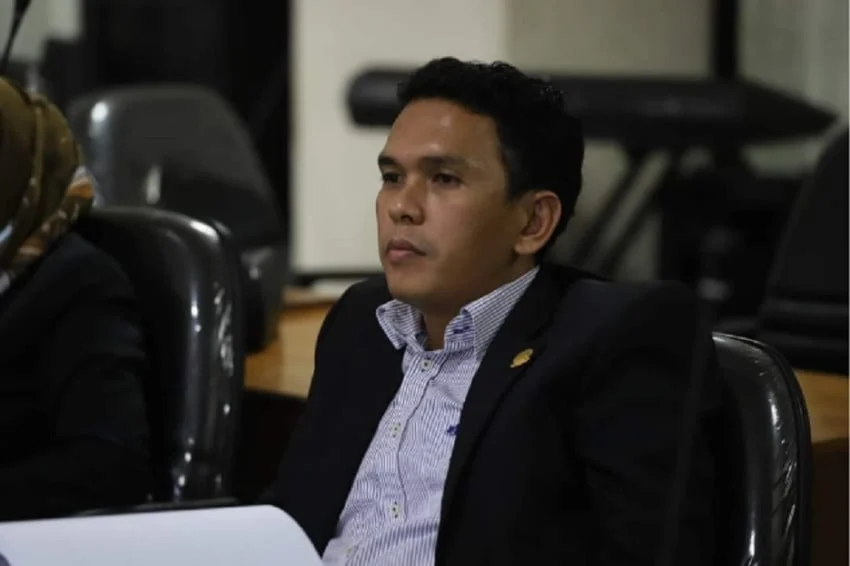
Jabbar Idris, the Deputy Secretary-General of the United Development Party, stated on Wednesday, September 16, 2026, that the party is prepared to meet whatever threshold requirements are ultimately enshrined in the revised law. Drawing upon a long history of participation in national elections, the party remains steadfast in its organizational readiness.
The Evolution of the Parliamentary Threshold in Indonesia
The parliamentary threshold is a statutory mechanism designed to filter political parties entering the House of Representatives (DPR). Since the inception of the reform era, this threshold has been gradually increased to promote a more streamlined and effective multi-party system.
In the 2009 general election, the threshold was set at 2.5 percent. This was subsequently increased to 3.5 percent for the 2014 election and further raised to 4 percent for the 2019 and 2024 cycles. The proposal to increase the threshold to 5 percent in the 2029 election cycle is framed by proponents as a measure to simplify the legislative body, theoretically reducing the fragmentation of political interests and enhancing governing efficiency.
However, critics and smaller political parties often view such increases as a barrier to entry that threatens the plurality of the Indonesian political ecosystem. For parties like the PPP, which have consistently participated in elections since the late 20th century, the challenge lies in balancing the need for national political stability with the preservation of democratic diversity.
PPP’s Strategic Response and Organizational Resilience
Jabbar Idris emphasized that PPP’s confidence stems from its deep-rooted institutional experience. "On principle, the United Development Party is ready regardless of the threshold percentage. PPP has participated in 11 elections. God willing, we are prepared," Idris remarked.
This confidence is not merely rhetorical. Following the results of the 2024 general election, the party has undertaken a comprehensive internal evaluation. This process involves a critical assessment of voter demographics, regional performance, and the effectiveness of grassroots campaigning. By leveraging data from previous electoral cycles, the party is refining its organizational structure and modernizing its political outreach to ensure it remains competitive under more stringent regulatory conditions.
The party’s leadership recognizes that the shift toward a higher threshold requires a transition from traditional mobilization to more sophisticated, data-driven political engagement. This includes strengthening the party’s presence in key electoral districts and building robust coalitions that can withstand the volatility of national political shifts.
Alternative Perspectives on Electoral Reform
The discussion regarding the 5 percent threshold is part of a broader conversation about how Indonesia should structure its representative democracy. Recently, other political observers and figures, such as Zainal Arifin, have proposed alternative methods for determining parliamentary access. Arifin suggested that the threshold should not be a flat national percentage but could instead be calculated based on a party’s victory basis in regional contests.
This suggestion highlights a significant tension in the debate: the trade-off between national cohesion and regional representation. A flat 5 percent threshold across the country might marginalize parties that hold significant sway in specific provinces but lack a broad national footprint. Conversely, a threshold tied to regional performance could decentralize political power but potentially complicate the formation of stable national coalitions.

Broader Implications for Indonesian Democracy
The debate over the parliamentary threshold carries profound implications for the health of Indonesia’s democratic landscape. Supporters of a higher threshold argue that it fosters a "presidential system" that is easier to manage, as it prevents the proliferation of too many small parties that might otherwise obstruct the executive’s legislative agenda. In theory, this promotes stability and reduces the complexity of alliance-building within the DPR.
However, the risk of a high threshold is the potential for the disenfranchisement of a significant segment of the electorate. If a large percentage of total votes cast are for parties that fail to clear the threshold, those votes are effectively "wasted," leading to a disconnect between the popular will and the composition of the legislature.
Furthermore, there is a recurring concern regarding the monopolization of political power. If the barrier to entry becomes too high, the legislative landscape may become dominated by a small handful of established parties, effectively silencing alternative political voices and stifling the innovation of political platforms. PPP’s insistence that "democracy must not be monopolized" reflects this concern, advocating for an environment where ideological diversity can persist even while maintaining a functional legislative body.
Chronology of Legislative Deliberations
The current phase of deliberations on the Election Law is characterized by an active exchange between the House of Representatives, the government, and various political factions.
- Mid-2026: Initial discussions regarding the revision of the Election Law begin in the legislative committee.
- August 2026: The proposal for a 5 percent parliamentary threshold gains traction in internal party meetings and parliamentary working groups.
- September 2026: Public discourse intensifies as political parties, including PPP, issue formal statements regarding their preparedness and policy positions.
- Late 2026/Early 2027: Expected timeline for the drafting and potential ratification of the revised Election Law, which will set the rules of the game for the upcoming general election cycle.
Data-Driven Analysis of Electoral Performance
Looking back at the 2024 election, it is evident that the electoral landscape is increasingly competitive. Parties are operating in an environment where media saturation and the influence of digital platforms play a crucial role. For a party like PPP, maintaining a presence in the national discourse requires navigating both traditional, religious-based voter segments and the emerging demographic of younger, urbanized, and digital-native voters.
Statistical analysis of previous election results shows that even small variations in the parliamentary threshold can have a massive impact on the number of seats held by parties that sit near the margin. A shift from 4 percent to 5 percent could result in a significant "seat bonus" for larger parties, while potentially eliminating one or more smaller parties from the parliamentary roster entirely.
Moving Forward: The Path to 2029
As the nation looks toward the 2029 elections, the primary challenge for the PPP and its peers is to adapt to the changing rules while maintaining their core identity. The party’s focus on evaluating the 2024 results is a critical step in this process. By analyzing which campaign strategies yielded the highest return on investment in terms of votes, and by identifying areas where the party failed to connect with the electorate, the PPP is attempting to insulate itself from the risks posed by a higher threshold.
Ultimately, the parliamentary threshold debate is a litmus test for the maturity of Indonesia’s democratic institutions. The outcome will dictate not only which parties will have a seat at the table in the next term but also the ideological breadth of the laws that will govern the nation in the coming years.
The United Development Party’s stance serves as a reminder that political survival in Indonesia is tied to a blend of historical legacy and the agility to adapt to shifting legislative frameworks. Whether the 5 percent threshold is implemented or an alternative system is adopted, the party has made it clear that it intends to remain a permanent feature of the Indonesian political landscape, advocating for a system that balances stability with the essential democratic requirement of broad, representative participation.
As the legislative process continues in Jakarta, the public will be watching closely to see how the final version of the Election Law balances these competing interests. The preservation of a multi-party system that reflects the diverse socio-political fabric of Indonesia remains a primary concern for civil society, and the parliamentary threshold stands at the heart of this complex and ongoing negotiation.