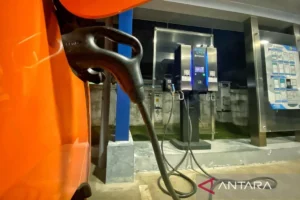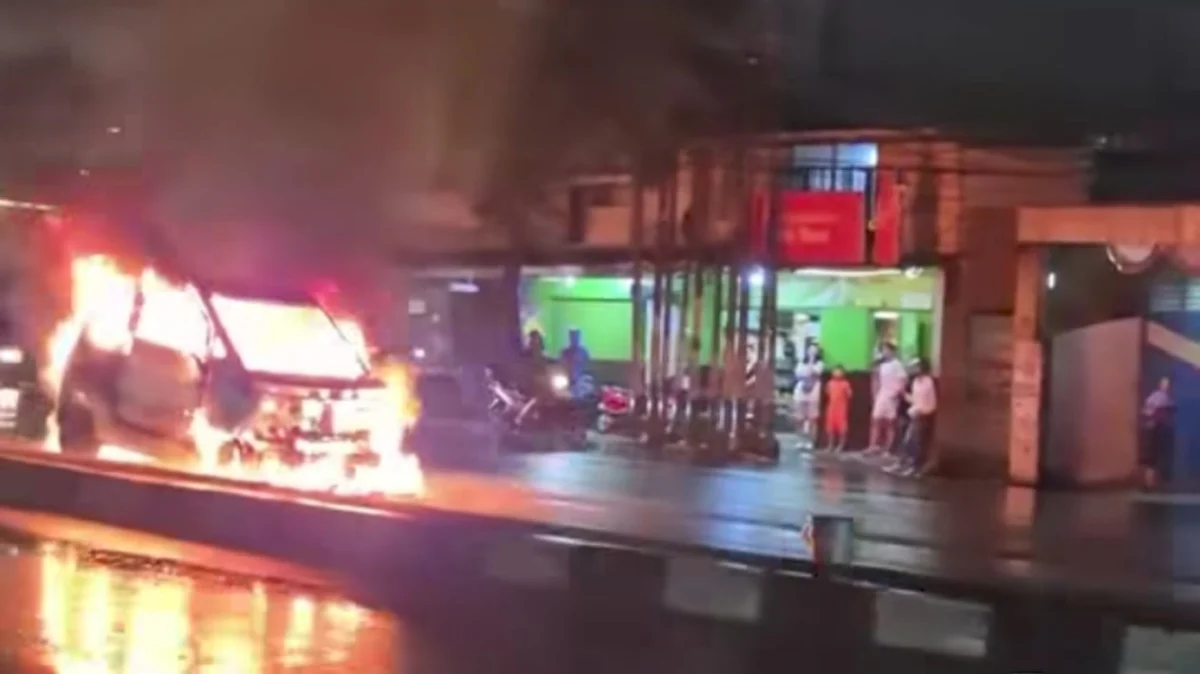
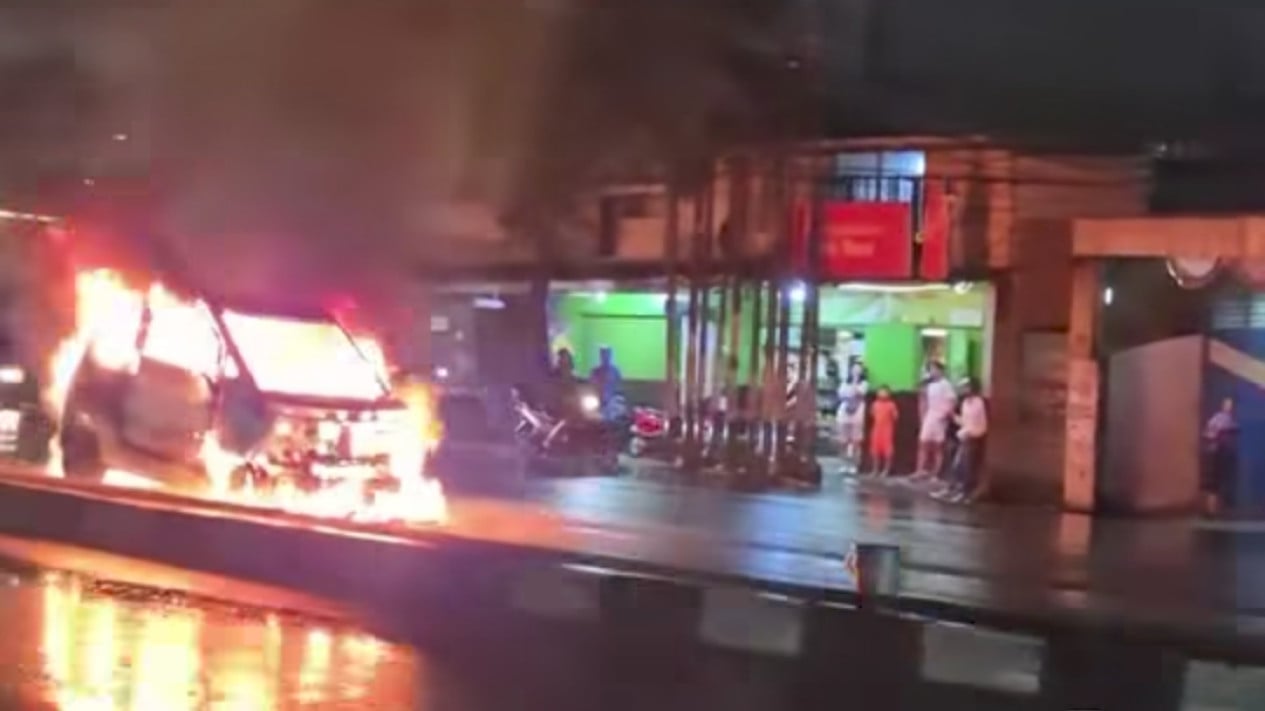
The rapid transition toward electric mobility in Indonesia has brought the critical issue of road and public safety to the forefront of urban planning and emergency services. As thousands of battery-powered vehicles continue to populate metropolitan roadways, municipal authorities are actively recalibrating their disaster management frameworks. A central component of this strategic evolution involves equipping first responders with specialized gear capable of safely neutralizing the unique thermal challenges posed by lithium-ion battery incidents.
In a decisive move to bolster municipal readiness, the Jakarta Fire and Rescue Department (Dinas Penanggulangan Kebakaran dan Penyelamatan – Gulkarmat) recently received a vital technological upgrade. PT FAST officially handed over advanced fire suppression tools designed specifically for electrified transportation. This initiative underscores a growing recognition among public safety officials and private stakeholders that standard firefighting techniques, traditionally optimized for internal combustion engines, require significant adaptation when confronted with high-voltage electrical architecture and the chemical complexities of modern battery cells.
The Technological Imperative: Why Electric Vehicle Fires Demand Specialized Equipment
Fires involving electric vehicles present hazards that differ substantially from conventional automobile blazes. When a lithium-ion battery enters thermal runaway—a self-sustaining exothermic reaction that can propagate rapidly from cell to cell—it generates intense heat, toxic gases, and the potential for explosive flare-ups. Traditional water applications often prove insufficient for immediate suppression because battery packs are heavily sealed and encased within the vehicle’s structural frame, restricting coolant penetration. Furthermore, these fires can reignite hours or even days after initial containment due to stranded energy within damaged cells.
To counter these vulnerabilities, emergency services worldwide are turning to specialized isolation tools, notably high-temperature thermal barrier blankets. The equipment provided to the Jakarta Gulkarmat, designated as the Portex EV Fire Blanket, functions by cutting off the oxygen supply required to sustain the combustion process. By completely draping the affected vehicle, the blanket smothers the flames, dramatically reduces radiant heat emissions, and allows hazardous gases to be managed more effectively. This containment capability not only protects surrounding infrastructure and civilian lives but also buys crucial time for hazardous materials teams to execute long-term cooling procedures.
Bridging Art, Safety, and Philanthropy at the Menteng Exhibition
The formal handover of the Portex EV Fire Blanket took place against the backdrop of a unique cultural and social initiative. The equipment transfer was integrated into the high-profile art exhibition titled Jelaga di Ujung Raya, hosted at the prestigious Galeri Zen1 in Menteng, Central Jakarta. Running from September 12 to October 13, 2026, the month-long exhibition represents a creative collaboration between the Logistics and Firefighting Foundation (LFK) and contemporary artist Arkiv Vilmansa.
What set this exhibition apart from conventional art showcases was its thematic exploration of fire—not merely as a destructive force, but as an elemental medium of transformation and artistic creation. The event successfully merged industrial safety awareness with cultural expression, demonstrating that public education regarding modern technological risks can transcend traditional, bureaucratic seminars and engage broader segments of society.
During the exhibition, three exclusive paintings created using specialized fire-manipulation techniques were put up for public auction. The bidding war generated hundreds of millions of rupiah, reflecting strong philanthropic engagement from collectors and corporate attendees. In a dual display of social responsibility, the proceeds from the auction were earmarked for two distinct charitable causes: providing immediate disaster relief and reconstruction aid to the earthquake and fire-affected residents of the traditional village of Sade in West Nusa Tenggara, and supporting wildlife conservation and habitat restoration initiatives heavily impacted by recent regional forest and land fires.
Strategic Perspectives on Public Confidence and Infrastructure Readiness
Speaking at the event, General Chairperson of the Indonesian Electric Vehicle Industry Association (Periklindo) and former military commander, Moeldoko, emphasized that fostering a robust safety culture is foundational to the nation’s broader green energy transition. He noted that as electric vehicle adoption accelerates across consumer and commercial sectors, public anxieties regarding potential hazards must be systematically addressed through proactive government policies and advanced emergency infrastructure.
"With the establishment of this heightened awareness, everyone who intends to utilize electric vehicles can transition away from unnecessary anxieties and apprehension," Moeldoko stated during the proceedings. He further highlighted that leveraging creative platforms—such as the fusion of contemporary art and industrial safety advocacy—creates a more resonant and lasting impression on the public consciousness, cultivating a collective sense of responsibility toward modern technological adoption.

Industry observers have noted that Moeldoko’s emphasis on psychological reassurance is strategically vital. Consumer hesitancy regarding battery safety remains one of the subtle bottlenecks in emerging automotive markets. By visibly demonstrating that municipal authorities are thoroughly equipped with cutting-edge tools like EV-specific fire blankets, consumer confidence is significantly reinforced. This institutional preparedness signals to prospective buyers that public safety nets are evolving in tandem with automotive innovations.
Broader Implications for Urban Safety Networks Across Indonesia
The integration of the Portex EV Fire Blanket into Jakarta’s emergency services inventory serves as a potential benchmark for other major metropolitan areas across the Indonesian archipelago. Cities such as Surabaya, Bandung, and Medan, which are experiencing steady increases in electrified public transport and private EV registrations, face similar municipal challenges. The Jakarta deployment provides a practical operational template for municipal governments seeking to upgrade their hazard mitigation protocols without relying entirely on traditional, resource-intensive suppression tactics.
Furthermore, the collaboration between private enterprises like PT FAST, non-governmental foundations, and artists illustrates the efficacy of multi-sector partnerships in addressing complex urban challenges. As Indonesia continues to position itself as a key regional hub for electric vehicle manufacturing and adoption—backed by rich nickel reserves and active government incentives—ensuring that downstream safety infrastructure keeps pace with upstream industrial growth is paramount.
The timing of this safety upgrade coincides with heightened public awareness surrounding industrial and vehicular fire risks in the greater Jakarta and Tangerang regions. Incidents requiring large-scale municipal responses have periodically tested the operational agility of local fire departments. By systematically integrating high-performance containment equipment, the Jakarta Gulkarmat is better positioned to mitigate high-voltage thermal incidents swiftly, thereby minimizing collateral damage, protecting first responder health, and ensuring urban traffic and commercial arteries remain resilient against unexpected disruptions.
Ultimately, the event at Galeri Zen1 encapsulates a holistic approach to modern development in Indonesia. It demonstrates that technological progress, environmental sustainability, public safety, and cultural philanthropy can intersect constructively. As Jakarta navigates its transition toward a low-carbon urban ecosystem, initiatives that proactively safeguard citizens while supporting broader humanitarian causes establish a durable foundation for the future of sustainable mobility.