Muay Thai, the formidable martial art hailing from the Kingdom of Thailand, has transcended its traditional Southeast Asian roots to become a global sporting phenomenon, securing its prestigious inclusion as a core combat discipline in the upcoming 2025 SEA Games. While casual observers frequently mistake Muay Thai for Western boxing due to the shared environment of a canvas ring and the use of padded hand wraps, a closer examination reveals two entirely distinct disciplines characterized by divergent combat philosophies, anatomical weapon systems, and tactical execution. Understanding the mechanics, historical evolution, and granular differences between Muay Thai and conventional boxing offers profound insight into the modern combat sports landscape.
Etymology and the Anatomy of the Eight Limbs
To understand Muay Thai, one must first examine its nomenclature. The word “Muay” translates directly to boxing, rendering the full title as “Thai boxing.” However, practitioners and combat sports analysts universally refer to it as "The Art of Eight Limbs" or The Art of Eight Weapons. This moniker stems from the discipline’s unique physiological utilization of eight primary striking points: the fists, the elbows, the knees, and the shins or feet.
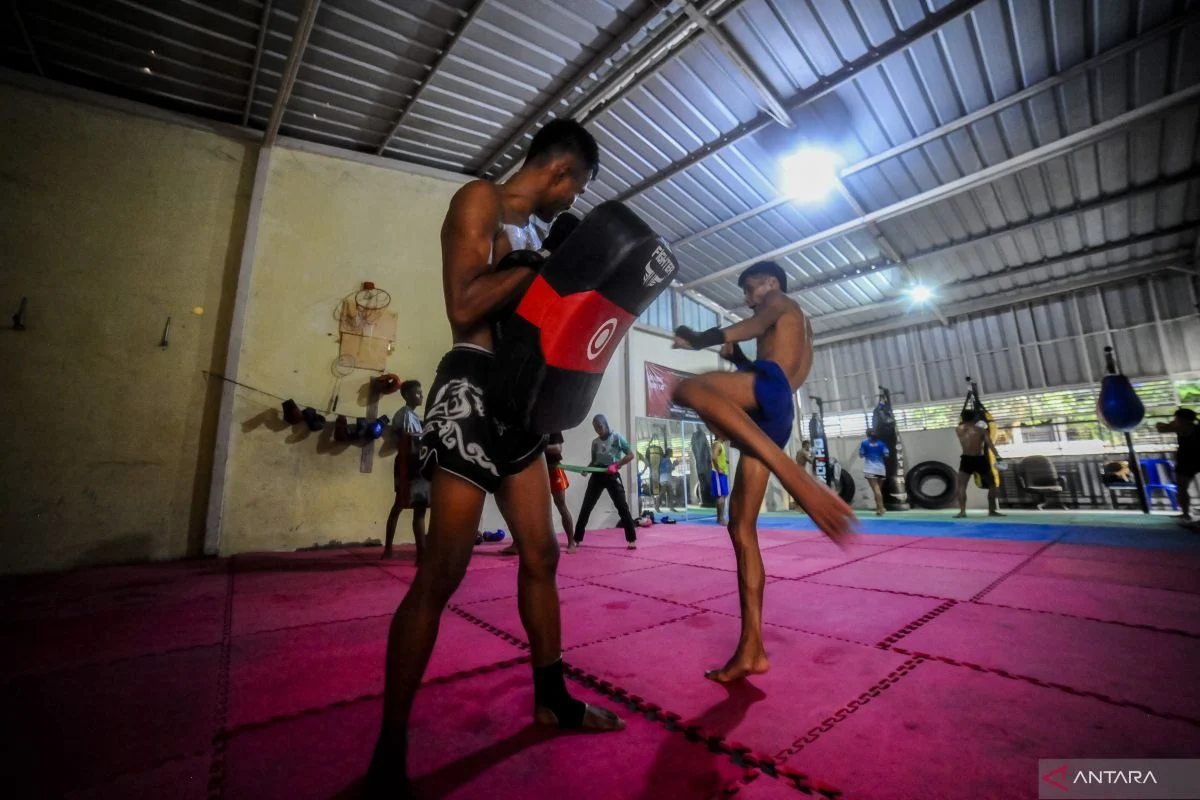
Unlike conventional boxing, which restricts offensive output strictly to closed-fist punches delivered above the belt, Muay Thai grants its practitioners a vast and multidimensional spectrum of attack vectors. Knees and elbows serve as devastating mid-to-close-range weapons capable of bypassing a defensive guard, while heavy roundhouse kicks act as long-range instruments of attrition. Furthermore, the incorporation of the clinch—a standing grappling position where fighters lock their arms around opponents’ necks or torsos—allows for prolonged close-quarters combat featuring knee strikes and off-balancing sweeps.
Crucially, Muay Thai remains strictly a standing combat sport. Ground fighting, wrestling takedowns, and joint submissions are strictly prohibited under modern regulatory frameworks. In traditional philosophical contexts, every motion within the discipline mirrors ancient weaponry: the hands function as swords, the shins and forearms as defensive shields, the elbows as heavy maces, and the knees as battering rams.
Historical Evolution: From Battlefield Survival to Global Sport
The genesis of Muay Thai is deeply intertwined with the geopolitical struggles of ancient Siam, tracing its roots back to the 13th century. Initially developed as a comprehensive system of empty-hand combat and self-defense for military personnel, the discipline was designed to ensure soldier survival in the chaotic environments of close-quarters warfare when traditional bladed or pole weapons were lost, broken, or unavailable.
Early iterations of the martial art were brutally efficient. Ancient battlefield techniques often targeted vulnerable anatomical structures, such as joint hyper-extensions and strikes directed at the rear cranium. Over centuries of societal evolution, these lethal applications were systematically filtered out as the discipline transitioned from battlefield necessity to a spectator sport practiced during village festivals and royal exhibitions.
Historical accounts underscore the deep cultural integration of Muay Thai within Thai royalty. Notably, King Phokhun Sri In Tharatit, the first monarch of the Sukhothai Kingdom, famously mandated that his royal heirs undergo rigorous training in the martial art to foster physical fortitude, strategic thinking, and leadership character.
The sport underwent a profound structural transformation during the 1930s. Seeking to align with international sporting standards and enhance athlete safety, regulatory authorities introduced standardized weight classes, formalized rounds tracked by timers, and the mandatory use of Western-style boxing gloves. Decades later, on an institutional level, the establishment of the International Federation of Muaythai Associations (IFMA) in 1993 marked a critical milestone, paving the way for standardized global governance, anti-doping protocols, and international multi-sport integration.
Folklore and historical milestones continue to shape the sport’s identity. The legendary exploits of Nai Khanom Tom during a 16th-century conflict between the Kingdom of Siam and the Konbaung Dynasty of Burma remain etched in sporting lore. Captured during wartime, Khanom Tom reportedly defeated multiple elite Burmese fighters in succession using traditional empty-hand techniques, permanently solidifying the lethal efficacy and psychological resilience associated with the art. In contemporary times, partnerships between historic venues like Bangkok’s Lumpinee Stadium and major global promotions such as ONE Championship have successfully propelled the sport onto televisions worldwide, cultivating a massive international fanbase and expanding the athlete pipeline globally.
Comparative Analysis: Muay Thai Versus Conventional Boxing
While both sports command immense athletic discipline, rigorous cardiovascular conditioning, and elite mental toughness, fundamental mechanical differences separate them.
1. The Weaponry and Clinch Mechanics
In conventional boxing, an athlete’s offensive arsenal is strictly limited to the fists. If two boxers lock arms in a clinch, the referee immediately intervenes and separates them to reset the action. Conversely, Muay Thai allows fighters to utilize punches, elbows, knees, and kicks. Moreover, the clinch is an active, highly technical phase of combat where fighters utilize wrestling leverage, neck control, and immediate knee strikes, with referees only separating them when the action stalls or a definitive scoring advantage is secured.
2. Punching Mechanics and Kinetic Chain
Boxers dedicate their entire training regimen to maximizing the precision, speed, and kinetic output of hand strikes. Footwork, shoulder rotation, and hip torque are meticulously coordinated to generate devastating punching power. In Muay Thai, punches are heavily utilized, but they are often adapted or shortened to accommodate the constant threat of incoming kicks, elbow strikes, and knee thrusts. A pure boxer relies entirely on upper-body mechanics, whereas a Muay Thai fighter must maintain a balanced kinetic chain ready to instantly transition from a punch to a low kick or elbow strike.
3. Stance and Footwork Dynamics
The stance in Western boxing is typically bladed—with the fighter’s non-dominant side forward—allowing for rapid lateral movement, pivots, and agile angle-changes. Boxers spend a high volume of time bouncing lightly on the balls of their feet. In contrast, a Muay Thai stance is noticeably more square and upright, with weight evenly distributed to facilitate rapid checking of incoming leg kicks and immediate execution of offensive kicks. Consequently, Muay Thai footwork tends to be more grounded, deliberate, and structurally stable rather than fluidly evasive.
4. Defensive Repertoire and Head Movement
Because boxers face only punches, elite practitioners employ dynamic head movement, weaving, ducking, and slipping to evade strikes. In Muay Thai, excessive or low head movement is heavily discouraged. Ducking or slipping a punch too low exposes the fighter to devastating knee strikes or high roundhouse kicks. Therefore, Muay Thai defense relies heavily on parries, catching kicks, forearm blocks, and maintaining a high structural guard.
5. Equipment and Attire
The regulatory attire for each sport reflects its combat requirements. Boxers compete while wearing specialized boxing shoes designed for ankle support, traction, and rapid pivoting on canvas. Muay Thai fighters compete entirely barefoot, retaining direct contact with the canvas to optimize balance during kicks and sweeps. Additionally, traditional practitioners often wear sacred armbands (pra jiad) and traditional headbands (mongkon) before the bout as cultural and spiritual symbols of respect toward their trainers and ancestors.
Socio-Economic Impact and Modern Implications
The exponential growth of Muay Thai has catalyzed substantial economic and tourism impacts within Thailand and across international markets. Training camps—traditionally known as kheun—attract thousands of international sports tourists annually, generating substantial revenue for local economies in regions like Phuket, Bangkok, and Chiang Mai.
Furthermore, the integration of Muay Thai into major regional athletic festivals, culminating in its prominent placement on the official program for the upcoming 2025 SEA Games, underscores its growing recognition as an elite, highly regulated international sport. Sports economists note that this institutional recognition opens doors for increased government funding, enhanced coaching certifications, and stricter athlete safety protocols globally.
For practitioners, the choice between pursuing Muay Thai or conventional boxing typically depends on individual athletic goals. Those seeking comprehensive full-body conditioning, multi-faceted striking coordination, and self-defense applications often gravitate toward Muay Thai. Conversely, individuals aiming to master high-level hand-eye coordination, exceptional footwork agility, and maximal punching power frequently select boxing. Despite their differences, both disciplines remain pillars of modern combat athletics, offering timeless pathways to physical endurance, mental resilience, and competitive excellence.