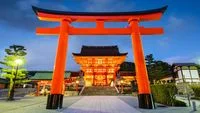
A recent incident involving a group of New Zealand nationals performing a traditional Maori poi dance at the entrance of Fushimi Inari Taisha in Kyoto, Japan, has ignited a fierce debate regarding cultural sensitivity, the sanctity of religious sites, and the complexities of international tourism etiquette. The video, which surfaced on social media platforms earlier this month, shows three individuals performing the rhythmic art form—which involves swinging tethered balls—directly in front of the iconic vermilion torii gates that serve as the threshold to one of Japan’s most venerated Shinto shrines.
The footage, which rapidly went viral on the platform X (formerly Twitter), drew immediate condemnation from both the Japanese public and global observers. Critics argued that the performance displayed a profound lack of cultural awareness, transforming a place of deep spiritual significance into a backdrop for personal content creation. The incident has since become a focal point for discussions on the challenges of balancing modern travel behaviors with the preservation of sacred cultural spaces.
Chronology of the Controversy
The controversy began to gain traction in early September 2026. The performance was recorded by a group led by Tangaroa Paul, a prominent academic serving as the leader of the Maori Media program at the Auckland University of Technology (AUT) in New Zealand. Paul’s professional background, which includes expertise in Kapa Haka—the umbrella term for Maori performing arts—and indigenous studies, initially led to confusion among observers who questioned how a scholar of such standing could overlook the protocols associated with religious sites.
By September 11, the backlash had reached a boiling point. The video was widely circulated, accompanied by sharp criticism from Japanese users who emphasized that the area surrounding the Fushimi Inari Taisha gates is a designated path for pilgrims and worshippers, not a public plaza for theatrical display. The discourse intensified as users pointed out that the act of "performing" at the entrance to a Shinto shrine violates the expected decorum of visitors, which traditionally dictates quiet reflection and respect for the local kami (spirits).
The Cultural Context of Fushimi Inari Taisha
To understand the severity of the public reaction, it is necessary to examine the significance of Fushimi Inari Taisha. Established in 711 A.D., it serves as the head shrine for approximately 30,000 Inari shrines scattered across Japan. The site is dedicated to Inari, the Shinto god of rice, commerce, and prosperity. For centuries, the shrine has been a destination for business owners, families, and farmers seeking blessings for success and safety.
The physical layout of the shrine, particularly the thousands of torii gates that wind up the wooded slopes of Mount Inari, is not merely an architectural marvel; it is a spiritual boundary. In Shinto tradition, the torii gate marks the transition from the profane to the sacred. By performing a high-energy dance in front of these gates, the visitors were perceived as disregarding the boundary between the tourist-facing exterior and the holy interior.
In recent years, Japan has struggled with the phenomenon of "over-tourism," leading to stricter regulations at popular sites. Kyoto, in particular, has implemented bans on photography in certain private alleys of the Gion district and has placed increased emphasis on signage to inform visitors of appropriate behavior. The incident involving the Maori poi performance serves as a reminder that even well-intentioned cultural expressions can be perceived as intrusions when they occur in sensitive religious settings.
The Academic and Personal Response
Following the surge of negative feedback, Tangaroa Paul issued multiple statements via social media. His initial response acknowledged his "ignorance" regarding the protocols of the site and expressed a desire to take full responsibility for the offense caused. In his subsequent posts, Paul emphasized his love for Japanese culture and his intent to visit again, though he acknowledged that the damage caused to the community might not be easily mended by words alone.
"I know my words of apology may never be enough, but actions might," Paul wrote in one of his statements. "I will acknowledge my ignorance and my mistake and will ensure I do not repeat it again."
The Auckland University of Technology (AUT) released a brief statement on September 11, clarifying that the trip was a private endeavor and that Paul would not be speaking to the media on behalf of the institution. The university noted that it was aware of the situation and acknowledged Paul’s apology, effectively distancing the academic institution from the controversy while acknowledging the gravity of the behavior displayed by one of its staff members.
Broader Implications for Global Tourism
This incident highlights a growing tension in the global tourism industry: the clash between "performative travel"—the desire to document unique cultural experiences—and the need to respect local heritage. The rise of social media has incentivized travelers to seek "aesthetic" or "viral" locations, often prioritizing the visual quality of their content over the cultural context of their surroundings.
Experts in cross-cultural communication suggest that while the performers may have viewed their poi dance as a way to honor their own heritage while abroad, the failure to recognize the local religious context rendered the act disrespectful. This serves as a cautionary tale for travelers visiting heritage sites globally, whether it be temples in Asia, cathedrals in Europe, or sacred indigenous sites in the Americas.
Data from the Japan National Tourism Organization (JNTO) suggests that while international arrivals to Japan continue to set records, there is an increasing emphasis on "sustainable and respectful tourism." Local municipalities are moving toward more proactive enforcement of behavior guidelines. For instance, in areas like Fushimi Inari, temple administrators are increasingly forced to balance the role of the site as a world-famous attraction with its primary role as a functioning place of worship.
Lessons in Cultural Literacy
The backlash against the group serves as a case study in cultural literacy. The assumption that one’s own cultural expressions are universally acceptable in all public spaces is a common pitfall for international travelers. While Kapa Haka and poi are deeply respected cultural treasures in New Zealand, the context of their performance matters as much as the performance itself.
The incident has also sparked a dialogue within the New Zealand Maori community regarding how they are represented abroad. Some have noted that the actions of a few can influence international perceptions of their culture, emphasizing the need for cultural ambassadors to remain cognizant of their host nations’ customs.
As of mid-September 2026, the incident has largely subsided from the headlines, but the digital footprint of the video remains. For those involved, the fallout serves as a reminder that the digital age has eliminated the anonymity of foreign travel. Actions taken in a moment of perceived artistic expression can have lasting consequences, reinforcing the necessity for comprehensive research into local customs and religious protocols before traveling.
Moving forward, the incident may lead to more standardized international guidelines for tourists visiting sacred sites. As Japan continues to navigate the complexities of managing high volumes of visitors, incidents of this nature are likely to prompt even stricter oversight and a renewed call for "cultural empathy" among the global traveling public. For the individuals involved, the episode concludes with a significant lesson in humility, the weight of public accountability, and the enduring importance of respecting the sanctity of the world’s diverse spiritual heritage.