The highly anticipated "El Clasico" of Indonesian football between Persija Jakarta and Persib Bandung is set to ignite the Stadion Utama Gelora Bung Karno (GBK) in Jakarta this Saturday, September 12, 2026. As the two fiercest rivals in the Liga 1 standings prepare to face off, the Jakarta Metropolitan Police (Polda Metro Jaya) have issued a comprehensive traffic management plan and security advisory to mitigate the anticipated gridlock and ensure public safety throughout the capital.
The match, which historically attracts tens of thousands of passionate supporters from both camps, is expected to create significant pressure on the city’s major arterial roads. Authorities are advising citizens who do not have urgent business in the Senayan area to avoid the vicinity entirely to prevent being caught in the massive influx of vehicles and pedestrians expected throughout the day.
The Historical Rivalry and Context
The match between Persija Jakarta, known as the "Macan Kemayoran," and Persib Bandung, the "Maung Bandung," is widely regarded as one of the most intense and historically charged football rivalries in Southeast Asia. Dating back decades, the encounters between these two giants transcend mere sport, often representing deep-seated cultural and regional pride.
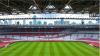
When these teams meet at the iconic GBK stadium—the nation’s largest venue with a capacity exceeding 77,000 spectators—the atmosphere is electric. However, this intensity brings logistical challenges. In recent years, security protocols have become increasingly sophisticated to handle the sheer volume of fans, known as The Jakmania (Persija supporters) and Bobotoh (Persib supporters), ensuring that the competitive spirit on the pitch remains isolated from potential public order disturbances.

Traffic Management and Logistical Directives
The Directorate of Traffic (Ditlantas) of the Polda Metro Jaya has officially declared a high-alert status for traffic flow surrounding the Senayan sports complex. According to the official statement released by the authorities, the combination of a weekend schedule and a high-profile match poses a "significant risk of extreme congestion" on roads including Jalan Jenderal Sudirman, Jalan Gatot Subroto, and the inner ring road.
"We are anticipating a substantial increase in the volume of vehicles converging on the GBK area. We strongly urge the public to avoid the perimeter of the stadium unless they are ticket holders. For those attending, we emphasize the necessity of using public transportation, such as the TransJakarta bus rapid transit system and the MRT Jakarta, which provide direct access to the Senayan area," the police statement read.
Strategic Parking Arrangements
To streamline the influx of private vehicles, the authorities have designated specific zones based on vehicle type to prevent chaotic bottlenecks:
- Four-Wheeled Vehicles: All private cars and light vehicles are directed to the primary parking facility at Parkir Timur Senayan. Overflow traffic will be managed toward the APEC area on the East side and the basin near Gate 1 of the Senayan Asia Afrika complex.
- Motorcycles: Given the high popularity of motorcycles among Indonesian football fans, dedicated parking zones have been established at several perimeter points. These include the Lapangan ABC, the TVRI broadcasting complex, Senayan Park (Spark), the Aquatic Stadium, the Ministry of Youth and Sports (Kemenpora) office area, and the GBK Arena.
The authorities have warned that any vehicles found parked illegally on pedestrian walkways or restricted zones surrounding the stadium will be subject to immediate towing to maintain traffic fluidity for emergency services.
Security and Public Safety Measures
Beyond traffic control, the match will feature a multi-layered security operation. While the exact number of personnel remains confidential for tactical reasons, it is understood that the police are collaborating with military units and private stadium security to enforce strict screening processes at all entry points.

The use of public transportation is not merely a suggestion for convenience; it is a vital component of the security strategy. By reducing the number of private cars in the vicinity, authorities can create a more controlled perimeter, allowing for faster response times for emergency vehicles and clearer pedestrian walkways. The integration of public transit—including the MRT, which stops at the Istora Mandiri and Senayan stations—serves as the primary artery for moving the massive crowd efficiently.
Economic and Social Implications
The economic impact of a Persija vs. Persib match at GBK is substantial. Local businesses, street vendors, and the hospitality sector in South and Central Jakarta typically see a significant spike in activity. However, the trade-off is the temporary paralysis of certain logistics routes.
Urban planning experts note that events of this magnitude highlight the critical need for Jakarta to continue its investment in mass transit. "The stadium is an asset, but its location in the heart of the city requires a sophisticated ‘Event Management’ approach," says a local urban development analyst. "The police advisory is a recognition that the city’s current road infrastructure cannot accommodate the sudden, concentrated demand of a full-capacity stadium event without significant disruption."
Chronology of the Match Day
- Early Morning (06:00 – 10:00): Initial deployment of police officers to secure key parking zones and clear unauthorized obstacles.
- Mid-Day (12:00 – 15:00): Expected arrival of mass supporter groups via public transit and bus convoys. Police will begin localized traffic diversions if density thresholds are met.
- Kick-Off (19:00 – 21:00): Peak concentration of crowds inside the stadium. Traffic outside is expected to be relatively lighter during the game but extremely heavy on surrounding arterial roads due to police checkpoints.
- Post-Match (21:30 – 23:30): The most critical window for traffic management. Police will coordinate the exit of vehicles and fans, prioritizing the evacuation of the area to prevent long-term congestion.
Proactive Measures for Residents
For residents living in the Senayan or Kebayoran Baru areas, the police suggest planning errands for the early morning or delaying them until the late evening. Delivery services and logistics providers have also been warned of potential delays in the delivery of goods within the vicinity of the stadium.
The collaboration between the Jakarta Transportation Agency (Dishub) and the police is intended to ensure that despite the scale of the match, the city remains functional. Digital traffic monitoring systems will be active throughout the day, providing real-time updates via social media channels and traffic information boards across the city.
Final Preparations
As the final countdown begins, the focus remains on the match being a celebration of the sport rather than a burden on the city. The authorities remain firm: the cooperation of the public in utilizing mass transit and adhering to parking regulations is essential.
The match between Persija and Persib is not just a sporting event; it is a test of Jakarta’s operational readiness. By emphasizing public transit and organized parking, the authorities hope to demonstrate that large-scale events can coexist with the daily rhythm of a bustling metropolis. Fans are encouraged to arrive early, follow the guidance of officers on the ground, and contribute to a safe and orderly environment for all spectators.